THE PEDESTAL THAT HAS LOST ITS MONUMENT

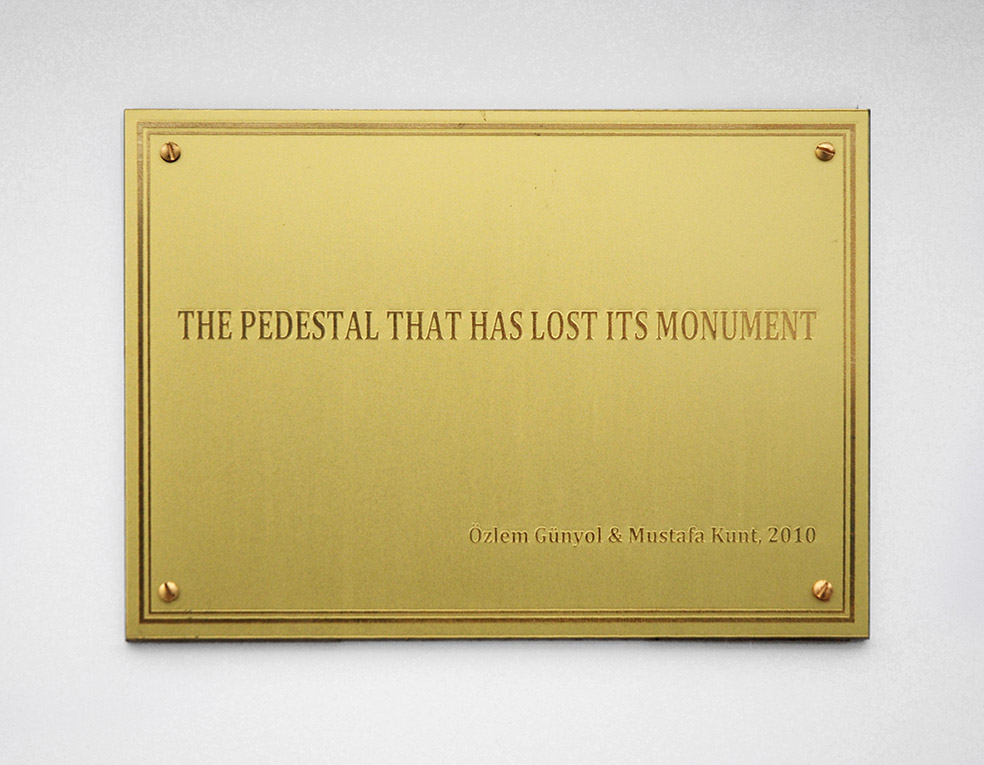
THE PEDESTAL THAT HAS LOST ITS MONUMENT, 2010

sculpture
painted wood, brass 105x105x145 cm

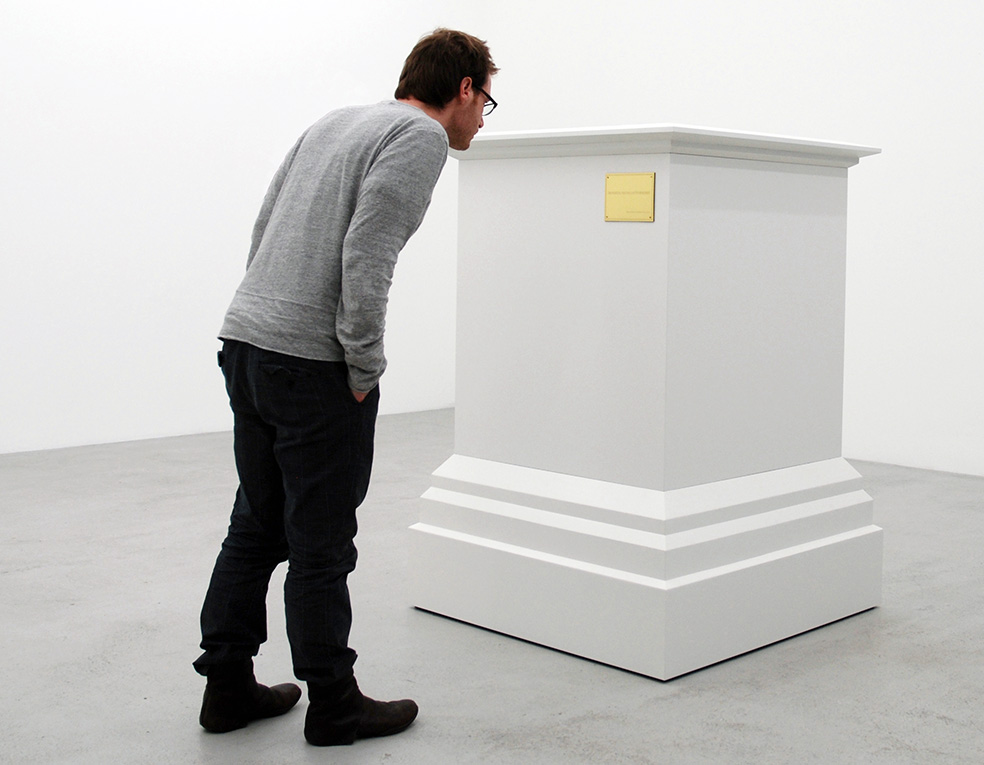
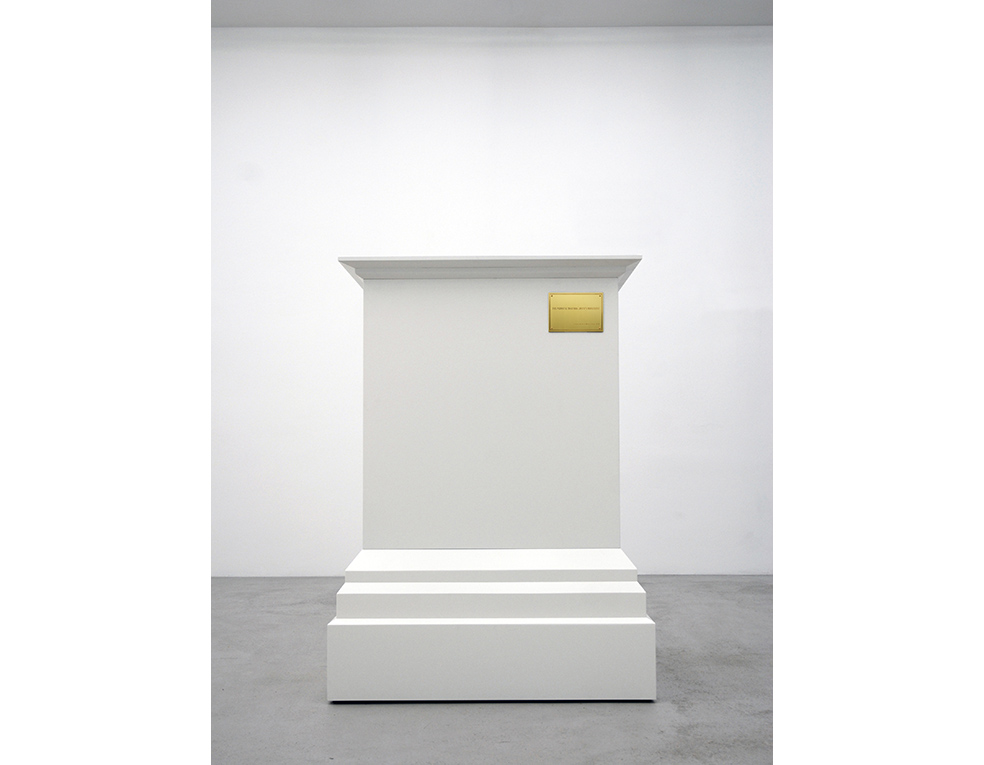
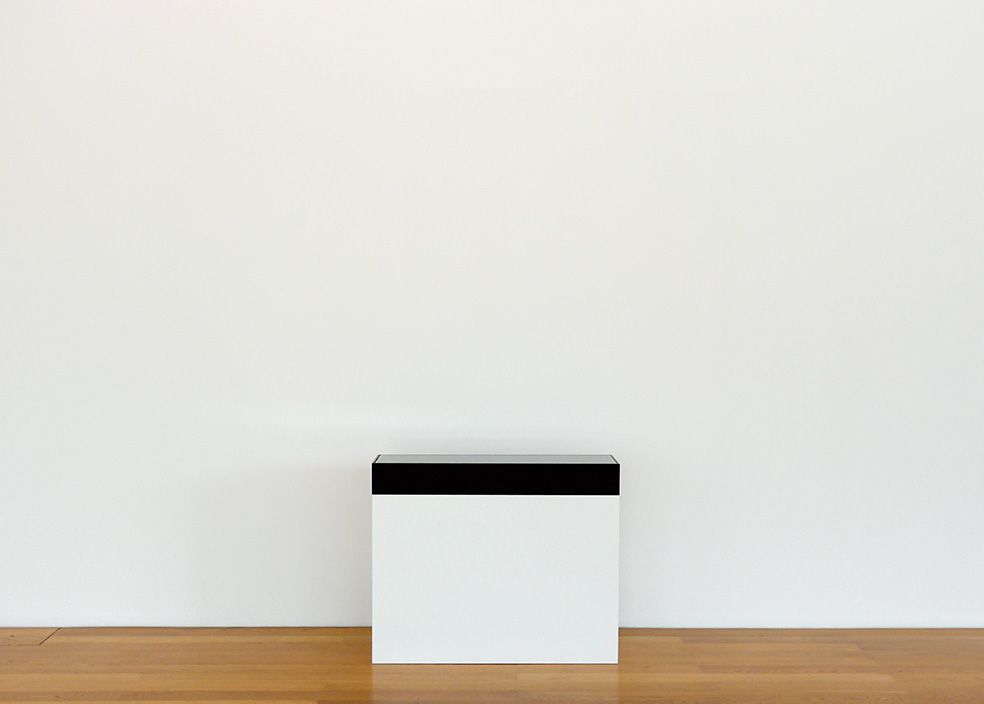
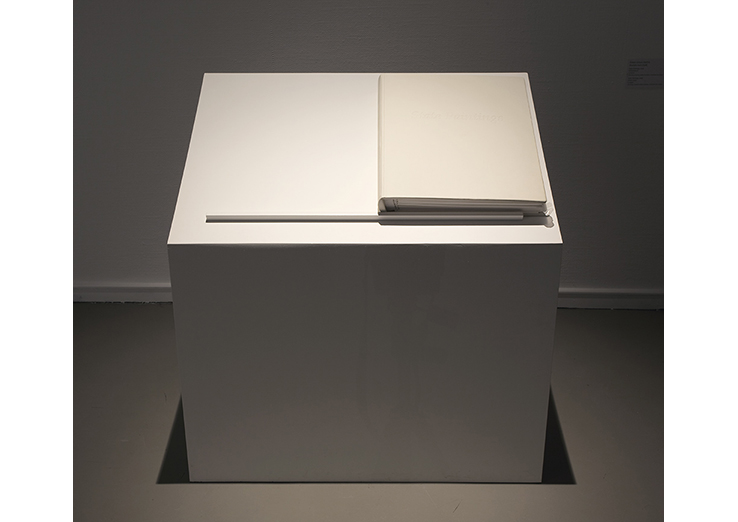
A pedestal is the carrier of the idea of giving immunity to images, thoughts, historical figures, which mostly represents the moral values of the current location. Its function is to fortify the represented image by carrying the image to a higher point. The work shows a classical type of a pedestal without any representational image on it. In this way, the viewer is confronted with the pedestal and its function alone.

Installation view; Gallery Heike Strelow, Frankfurt
photos: Günyol & Kunt

When the justice properly works, then there is no room for compassion

When the justice properly works, then there is no room for compassion., 2010

sculpture
painted pencil, painted wood, glass 35x85x105 cm


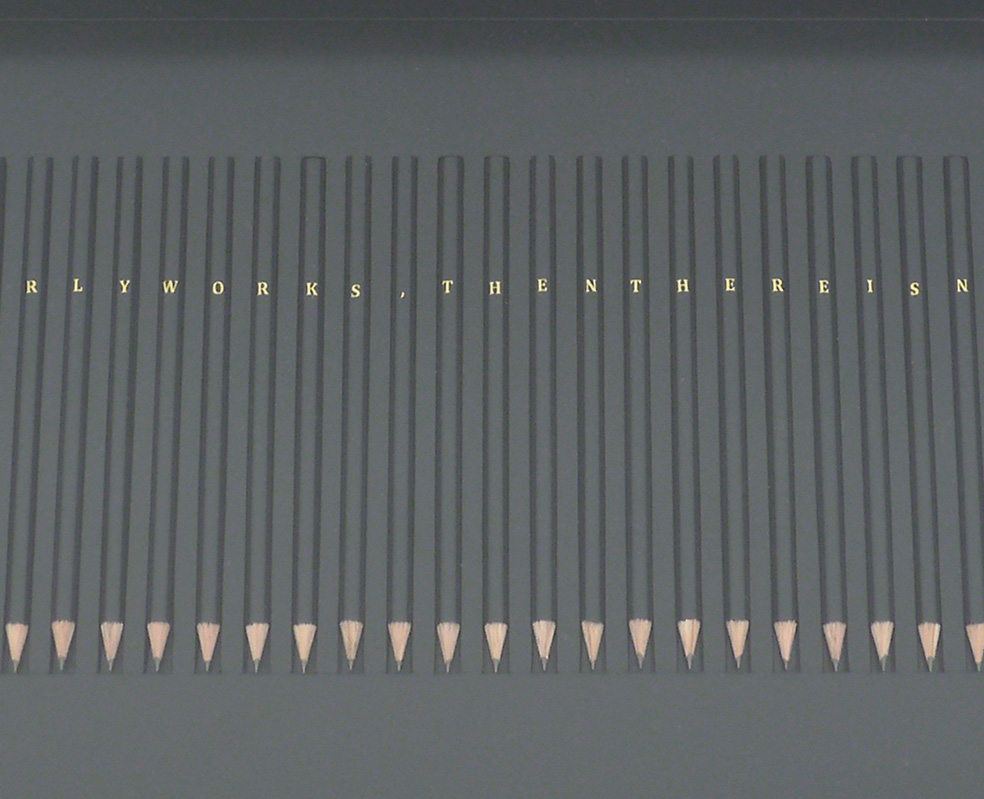
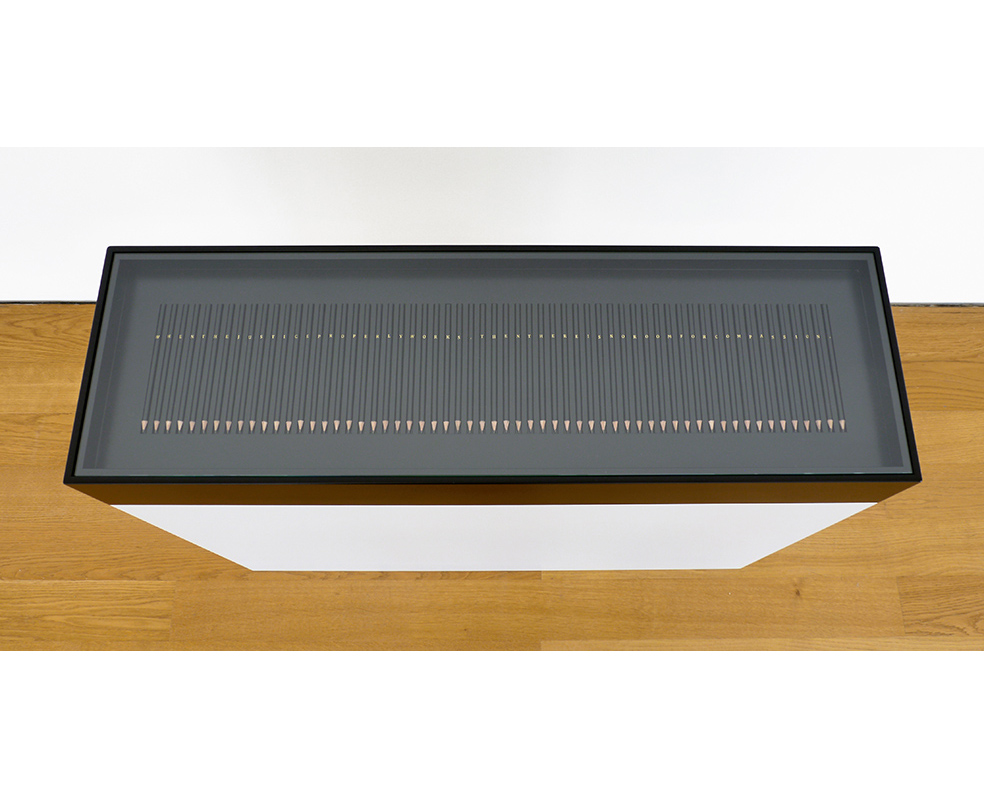
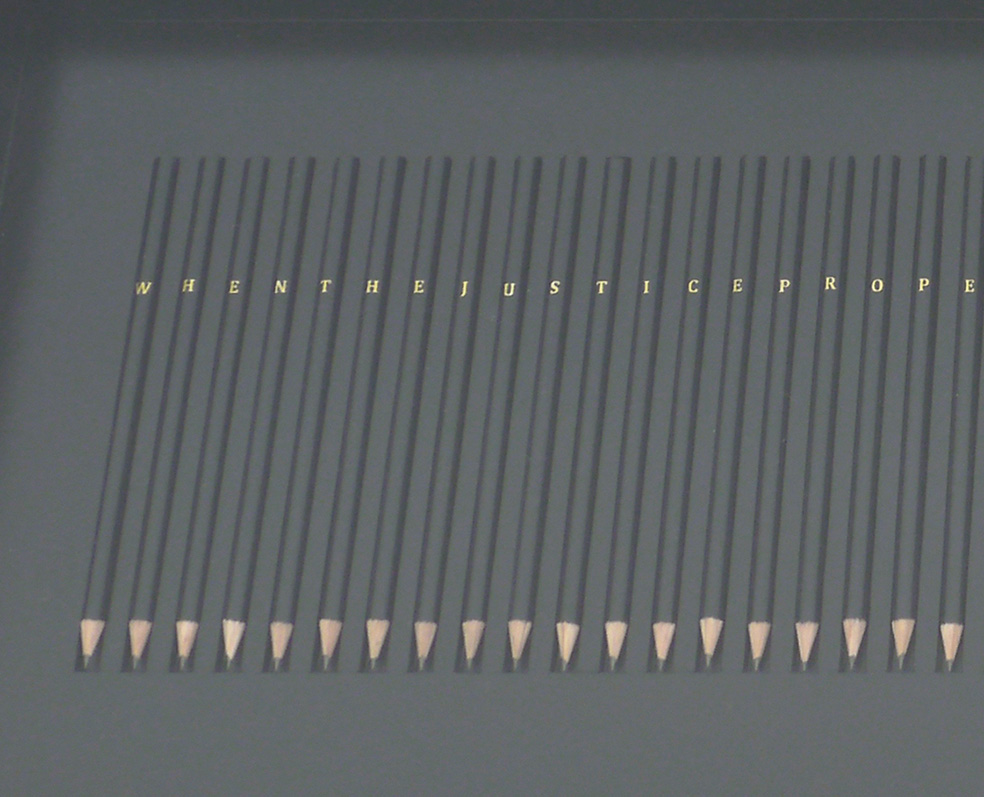
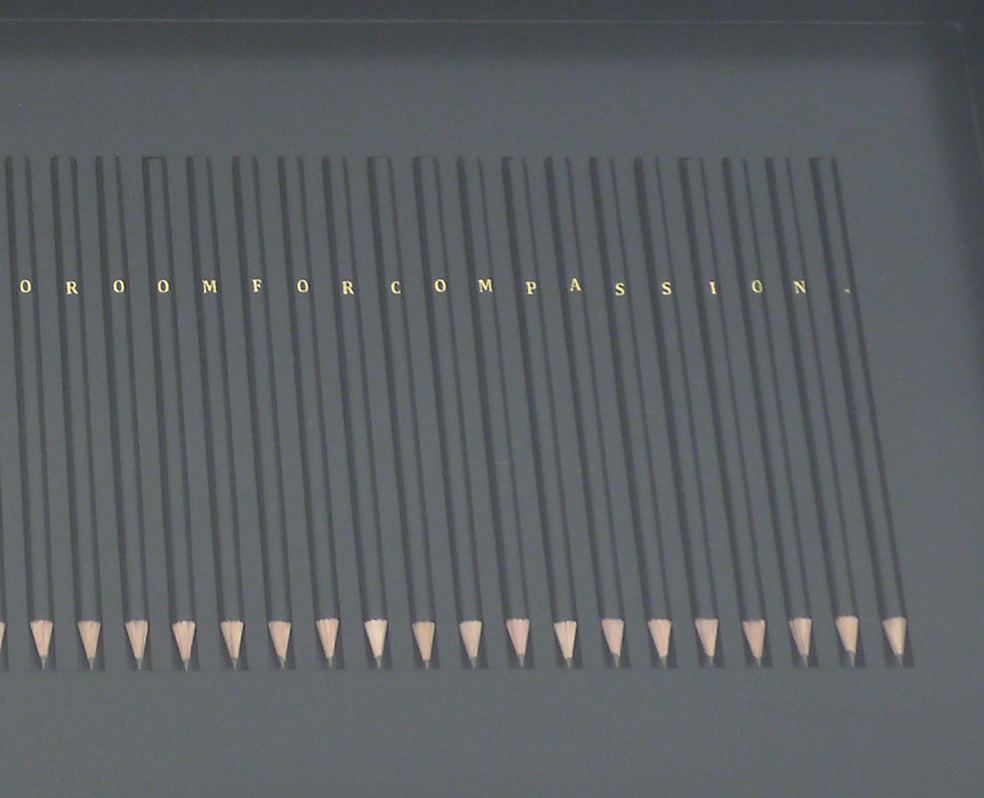
The work When the justice properly works, then there is no room for compassion (2010) brings together a linguistic form of communication with a historically rigidified gestural one concealed behind it. Formally rigorous in its arrangement, the work consists of a vitrine standing on a base with the same basic dimensions. The black vitrine with its glazed upper side, sits on the lacquered white base and contains fifty-nine accurately sharpened pencils laid out next to one another. A letter or punctuation mark is imprinted in gold paint on each of the pencils so that it is possible to read the title of the work. The sentence When the justice properly works, then there is no room for compassion, which serves as the title, refers to a common practice of judges in Turkey, as well as other countries, of publicly breaking the pen with which a death sentence judgment was signed. Those who do not find such judgments ethically acceptable, despite being required by the legal situation, follow this practice. The symbolic act is expressed in the field of tension that arises between the state function of the judge and subjective assessment of the judgments he or she issues. In this sculptural work, what becomes particularly visible is the strategy that the artist duo often employs of staging the inherent quality of aesthetic experience through evocatively and metaphorically charging it. The formal rigor of the work, as well as the hermeticism, with which the pencils— precisely positioned and distanced from the viewer by means of a massive pane of glass—are presented is associated with the negation of scope for action, although the symbolic reaction of breaking the pencil is still allowed as a minimal, subjective form of articulation vis-a-vis the government. The experience of the work and the social background to which the work refers, as well as the associative relationships that are established between these two parameters, form a lucidly choreographed setting.

Felix Ruhöfer, ars viva 2012 / 13, Systeme / Systems, Exhibition Catalogue, Hatje Cantz Verlag

Installation view; Kunstmuseum Liechtenstein
photos: Günyol & Kunt

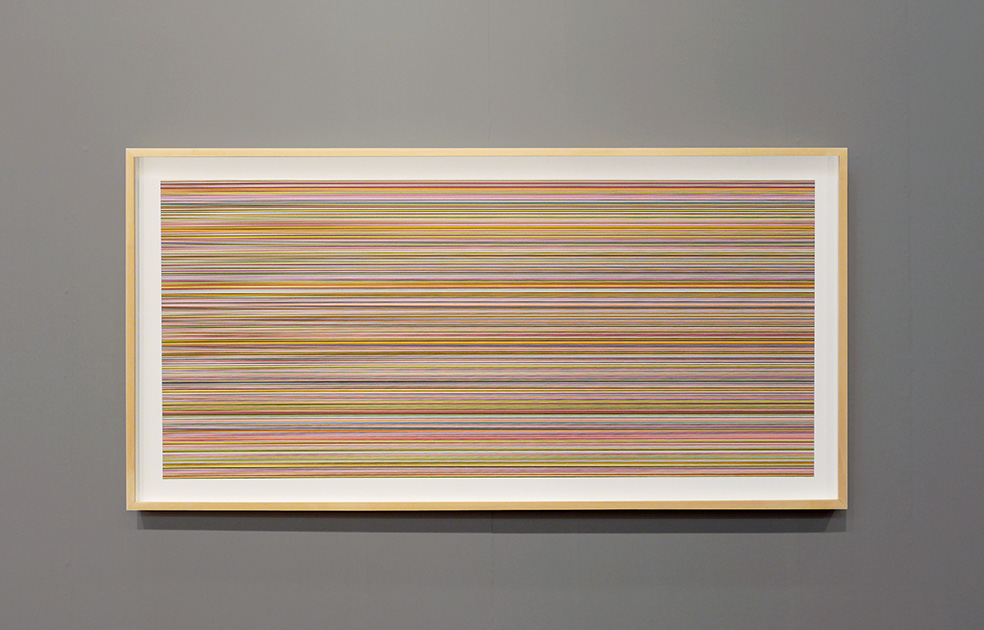
f.skl.246

f.skl.246, 2009

digital print
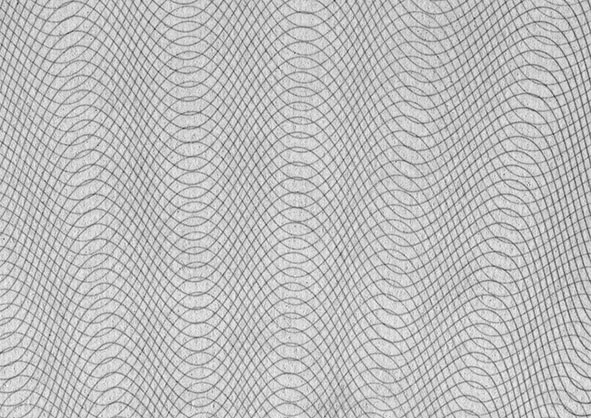
fine art print on cotton paper 70×152.6 cm
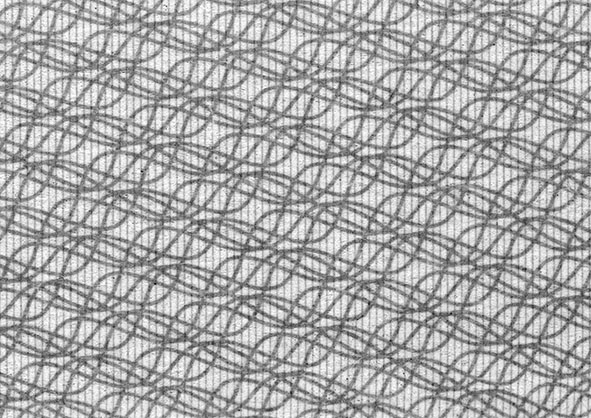
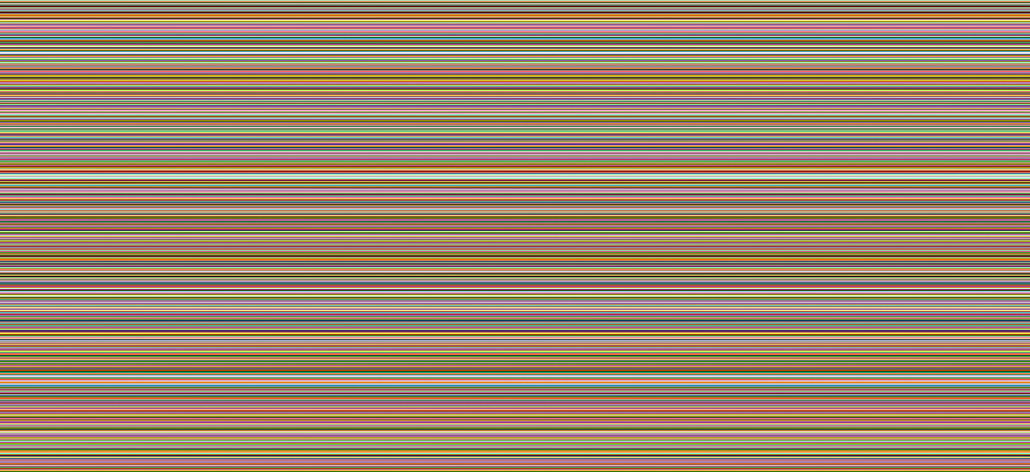
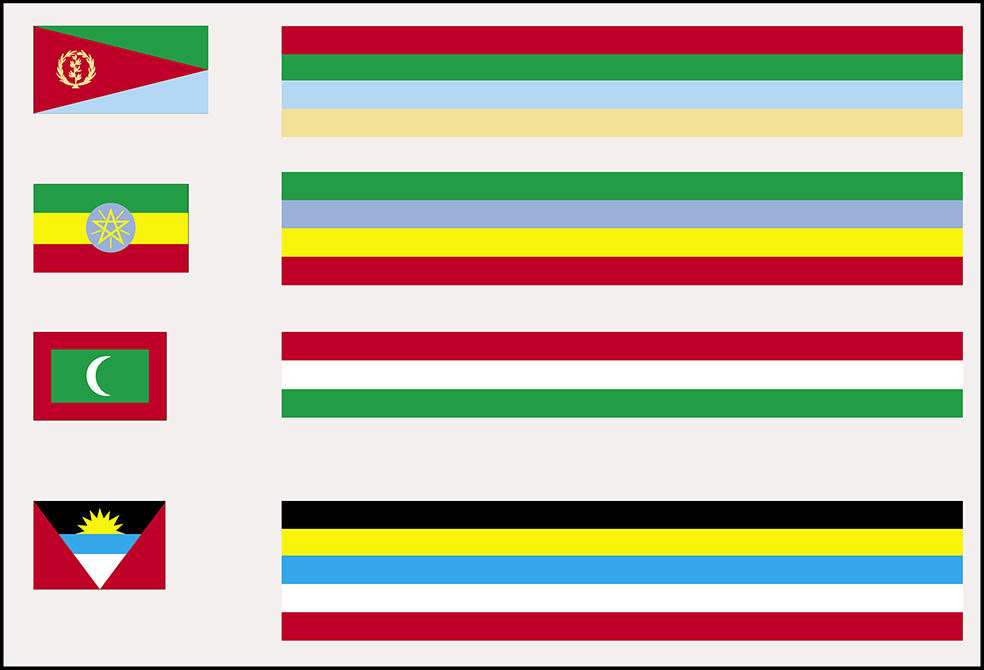
Colors of 246 national flags are sorted in alphabetical order of by country names. Format of the work is decided according to the proportions of the Rwanda flag: as the difference between width and height proportion is larger than the other country flags.
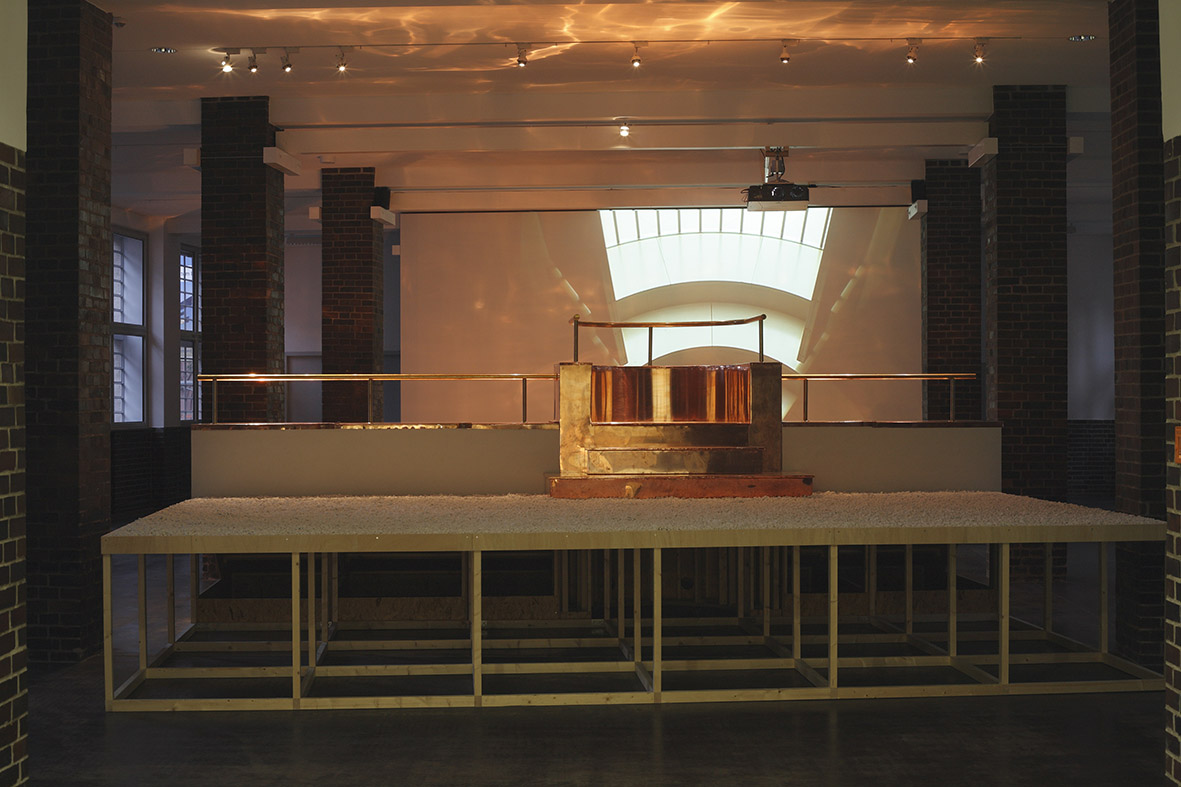
photo: Işık Kaya

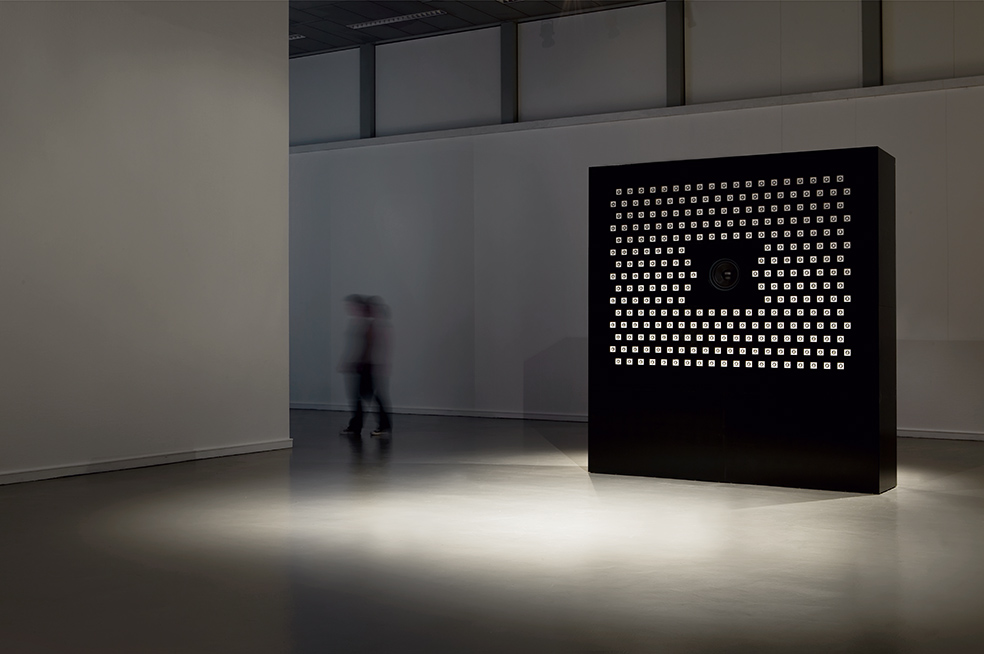
Hullabaloo

Hullabaloo, 2009

multimedia sound installation
32 channels, 266 loud speakers, 1 subwoofer, 1 computer, acrylic paint on wood 255x235x60 cm

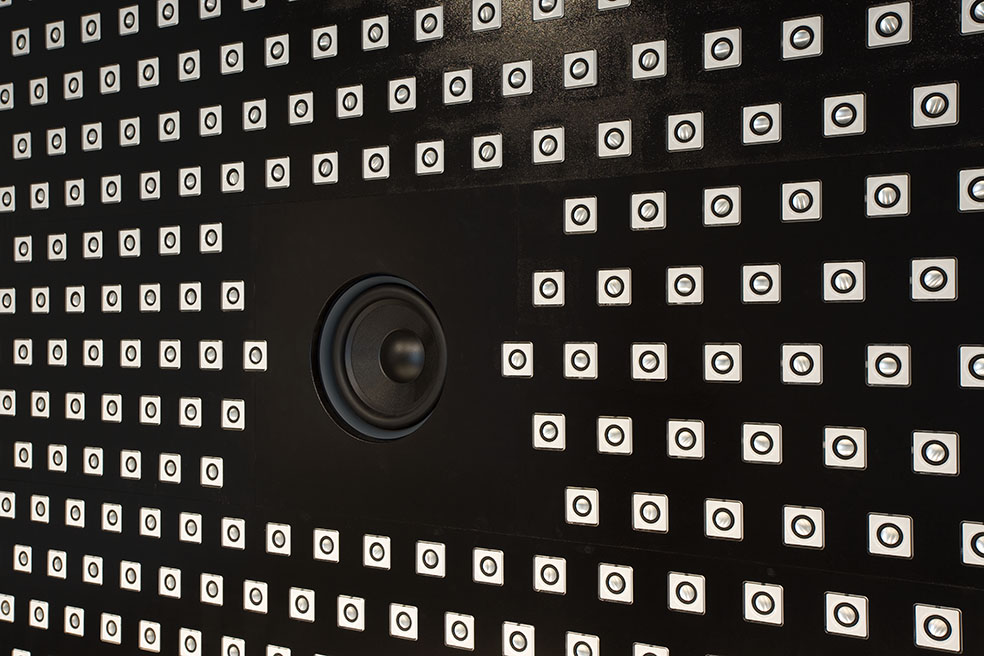
There are 266 countries that lay claim to a national anthem. In Hullabaloo those national anthems are played in such a way that, after half of one has been heard, all are collectively audible for a brief interval. The national anthems are played according to a clearly planned composition. Nevertheless, a jarringly loud carpet of sound is produced, with the individual melodies drowned out in cacophony. Chaos instead of music or melodiousness. The work recalls the Tower of Babel and the punishment of man’s hubris with linguistic confusion. The viewer is confronted with a wall of 266 loudspeakers like a bellowing being. […]

Thomas Köllhofer, HECTOR PROMOTIONAL PRIZE 2009, Exhibition Catalogue (Cologne: Wienand Verlag, 2009).

Installation view; Kunsthalle Mannheim
photos: Cem Yücetaş

Ceaseless Doodle

Ceaseless Doodle, 2009

wall drawing
320×320 cm

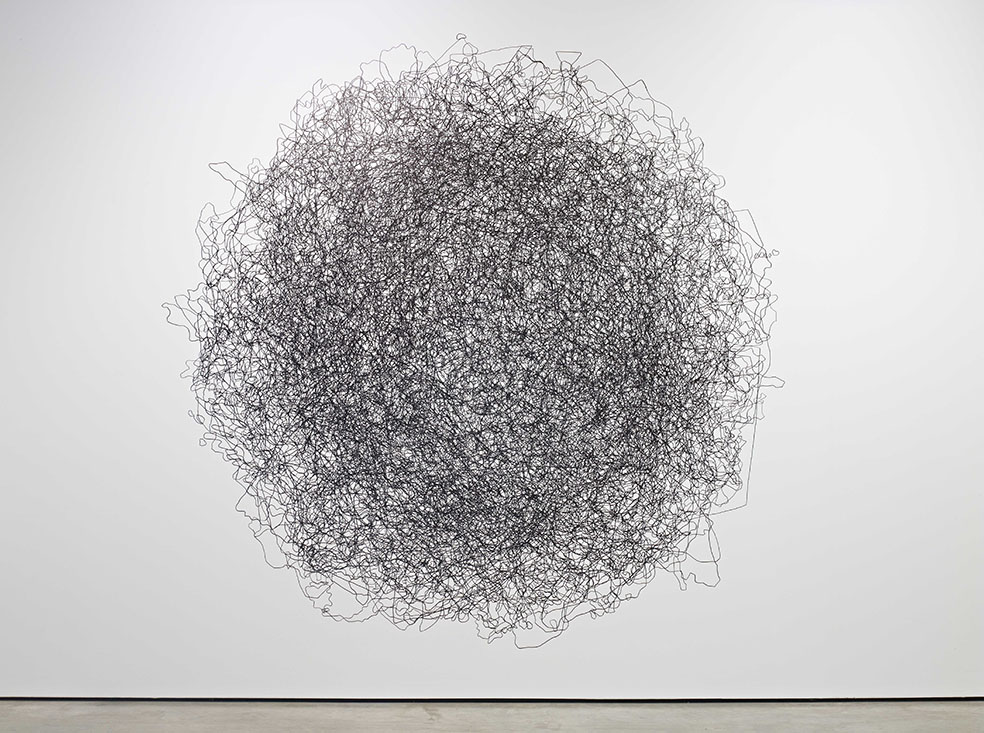
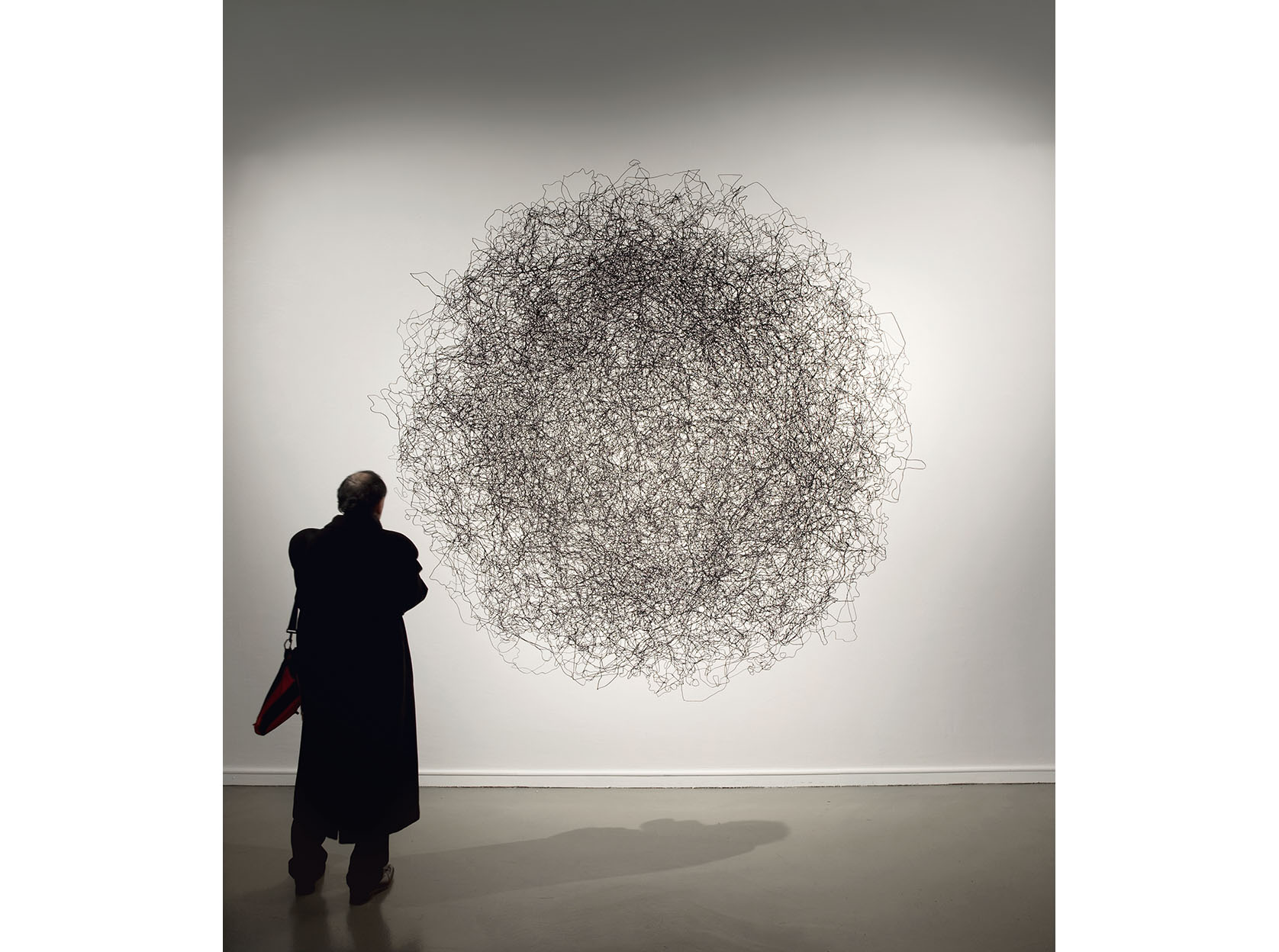
This work includes all the national borderlines in the world. To make it, the borderlines of all the countries in the world were printed on A4-size pieces of paper, thus equalizing the territorially smaller countries such as Luxembourg with territorially larger countries such as Canada or China. These images were drawn on transparent papers, scanned into a computer, then projected and traced onto a wall and drawn on one another. The effect is of an intricately interwoven orb of the world, a seemingly aimless “globe” scribble that is actually composed of precisely drawn borderlines.

Installation view; Kunsthalle Mannheim
photos: Cem Yücetaş

Flag-s

Flag-s, 2009

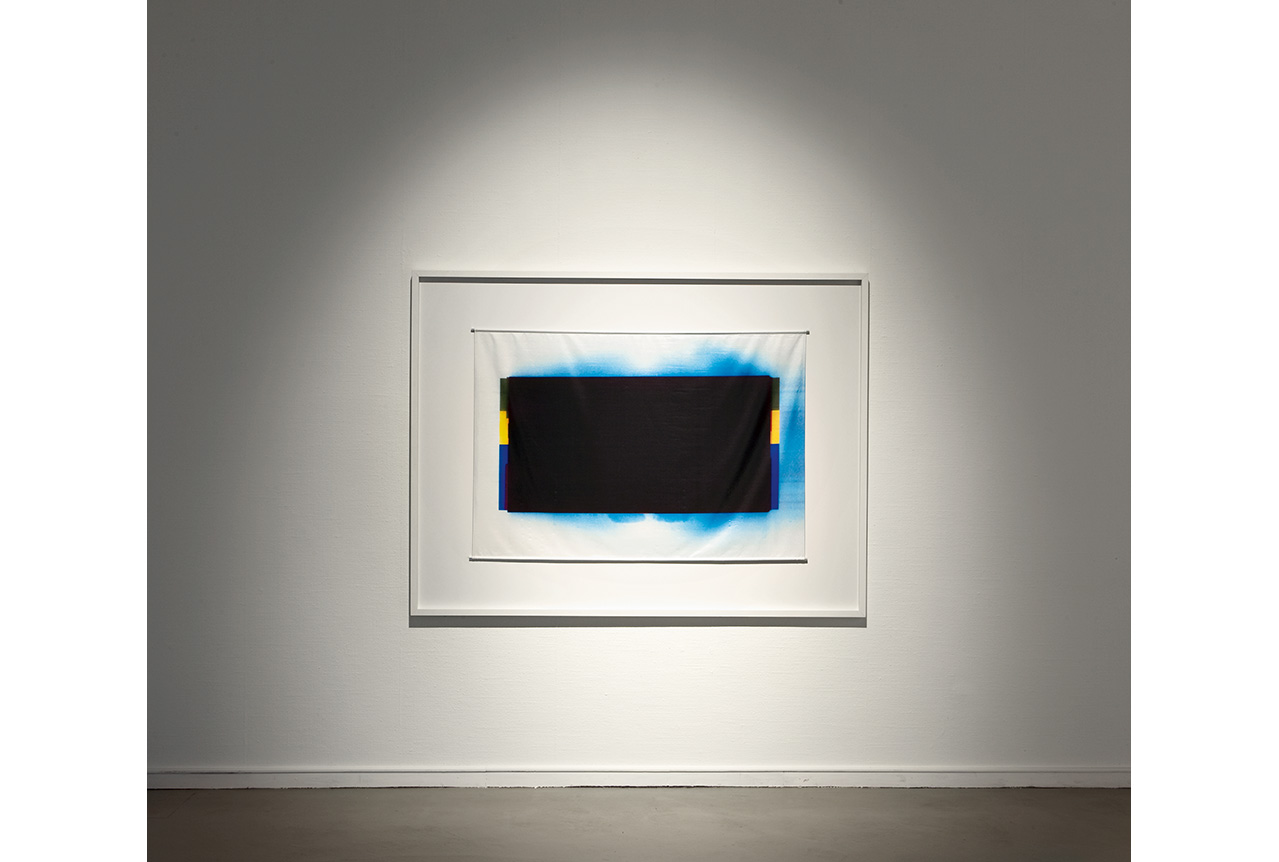
thermal transfer print 105×150 cm;
wooden frame 155×200 cm

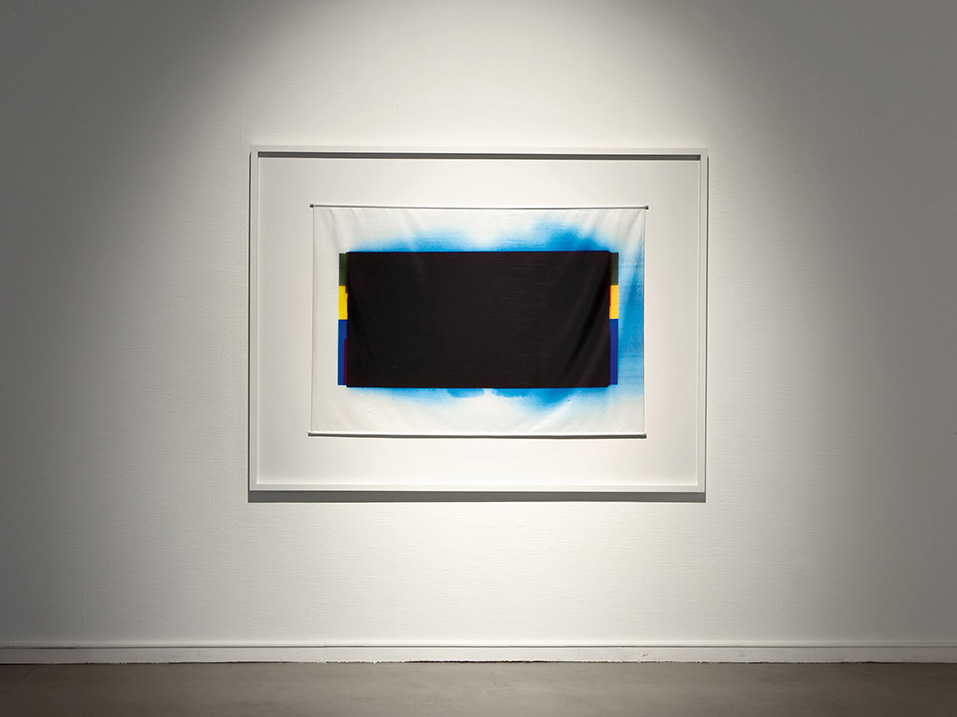
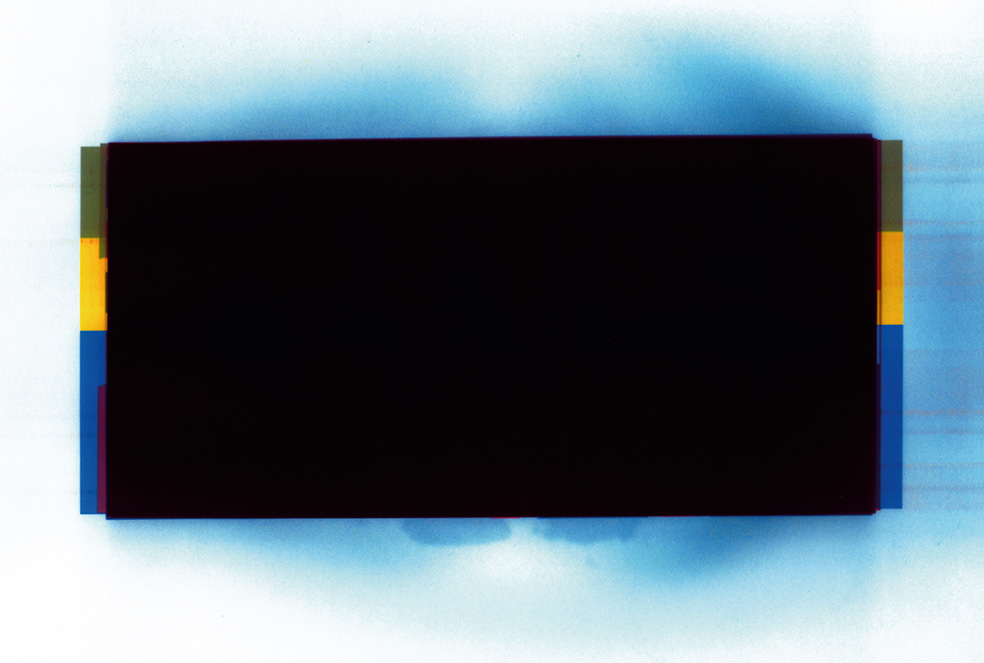
Images of 246 national flags were printed atop each other onto A4 paper with an ink-jet printer. When this process was completed, the final image was transferred to cloth.

Installation view; Kunsthalle Mannheim
photo: Cem Yücetaş

State Paintings

State Paintings, 2008 – ongoing project

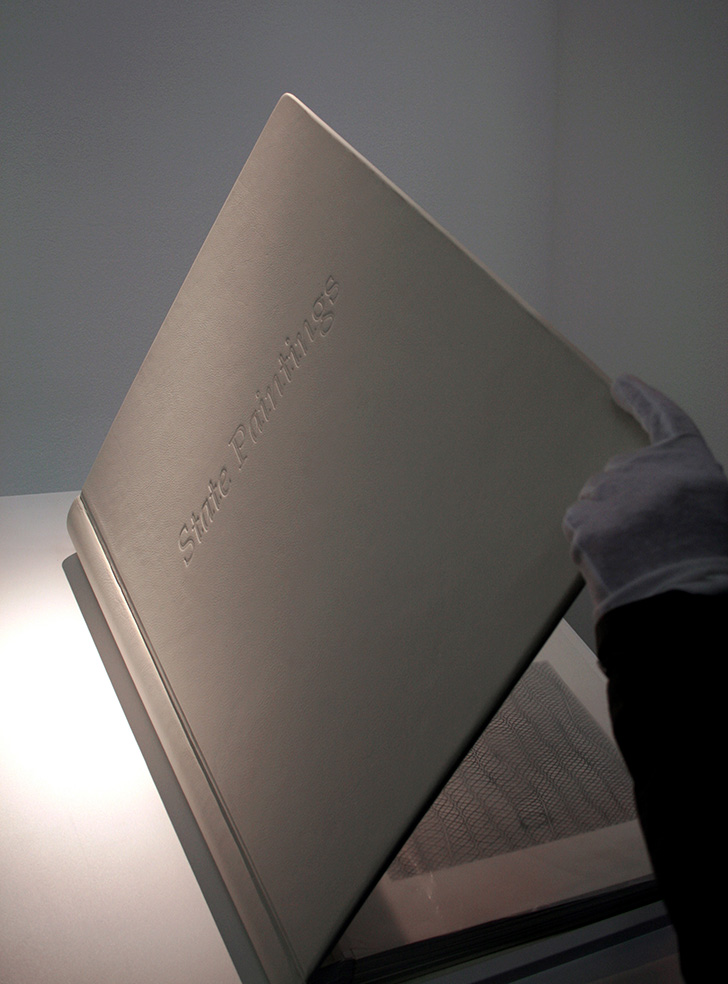
artist book
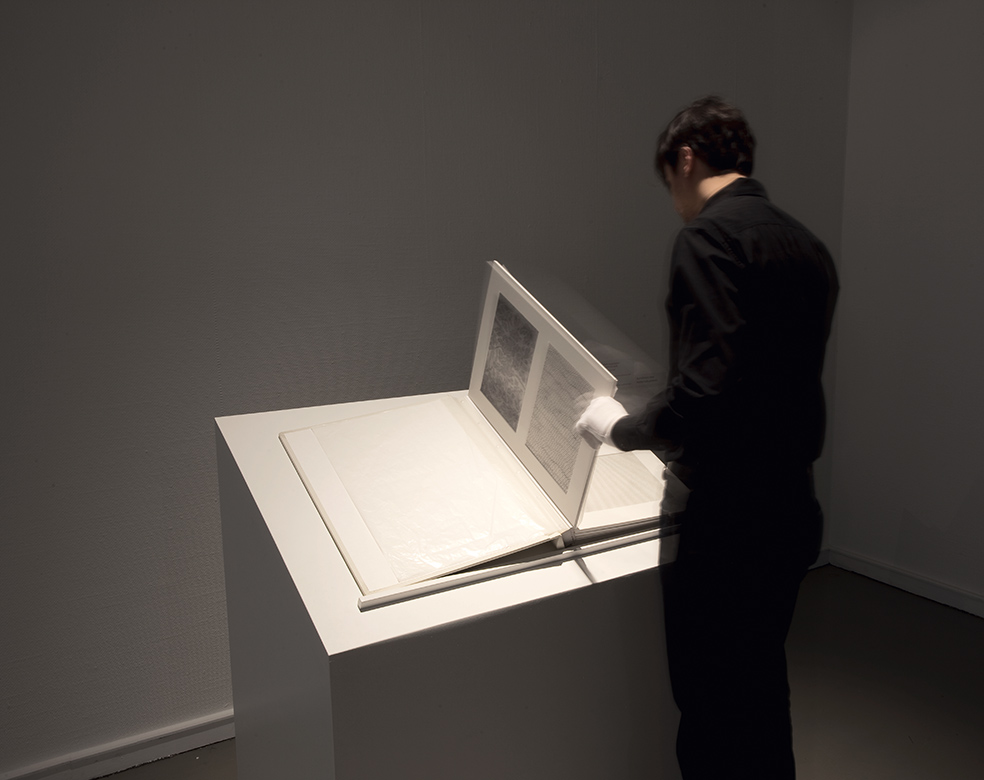
12 pages, leather cover, 45x58x5.7 cm;

fine art print on cotton paper 24 images each 20×30 cm

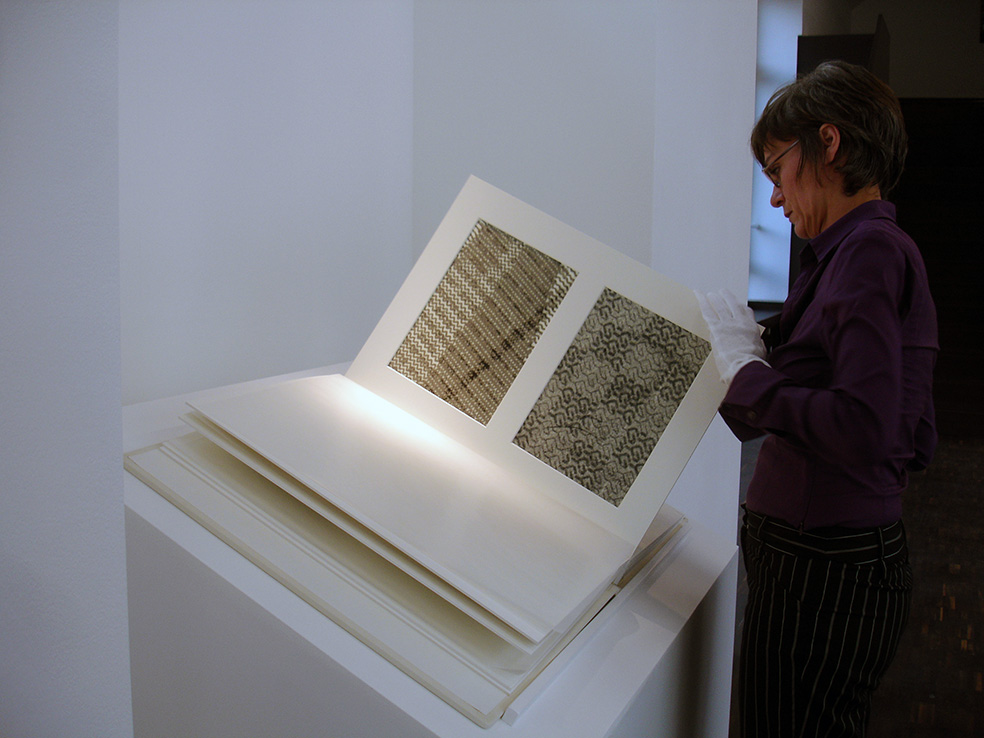
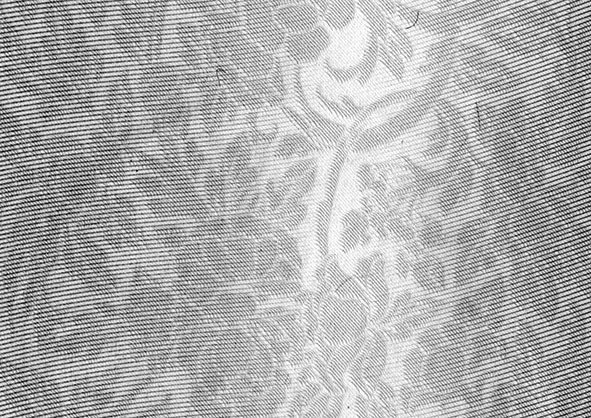
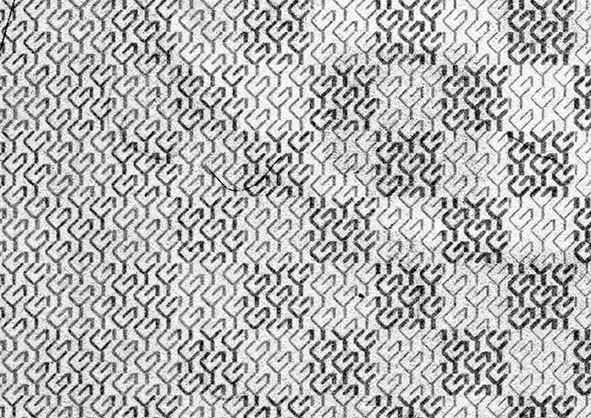
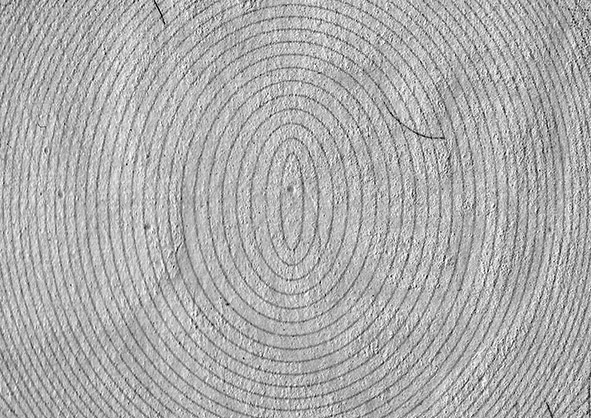
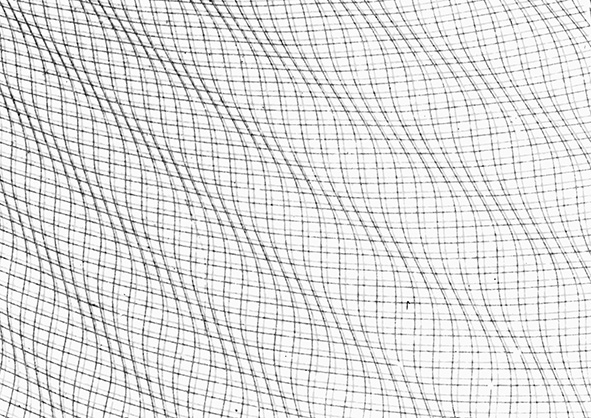
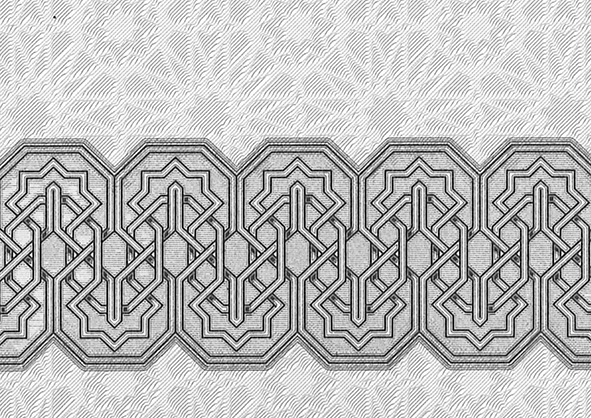
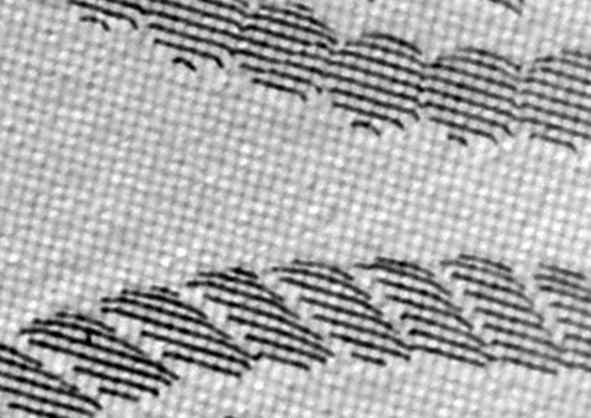
One’s passport as an officially binding legal document is proof not only of one’s personal identity but also of one’s nationality and, as such, an indispensable travel document to be shown at border check-points. The artist’s book State Paintings shows 24 enlarged details of the patterns from various countries’ passports. These detail shots change into images consisting of abstract decorative lines, which no longer have any recognisable link with their original function.

Stefanie Müller, HECTOR PROMOTIONAL PRIZE 2009, Exhibition Catalogue (Cologne: Wienand Verlag, 2009)

photos 1,3: Cem Yücetaş, installation view; Kunsthalle Mannheim
photos, 2,4: Günyol & Kunt, installation view; Römer9, Frankfurt

Star Clusters

Star Clusters, 2008

fine art print, 16 pieces, each 40×50 cm

The work consists of sixteen different star clusters that don’t belong to nature. The shape of each cluster is composed by using the insignias of military forces of different countries.

Installation view; AtelierFrankfurt
photos 1-3: Eduardo Perez

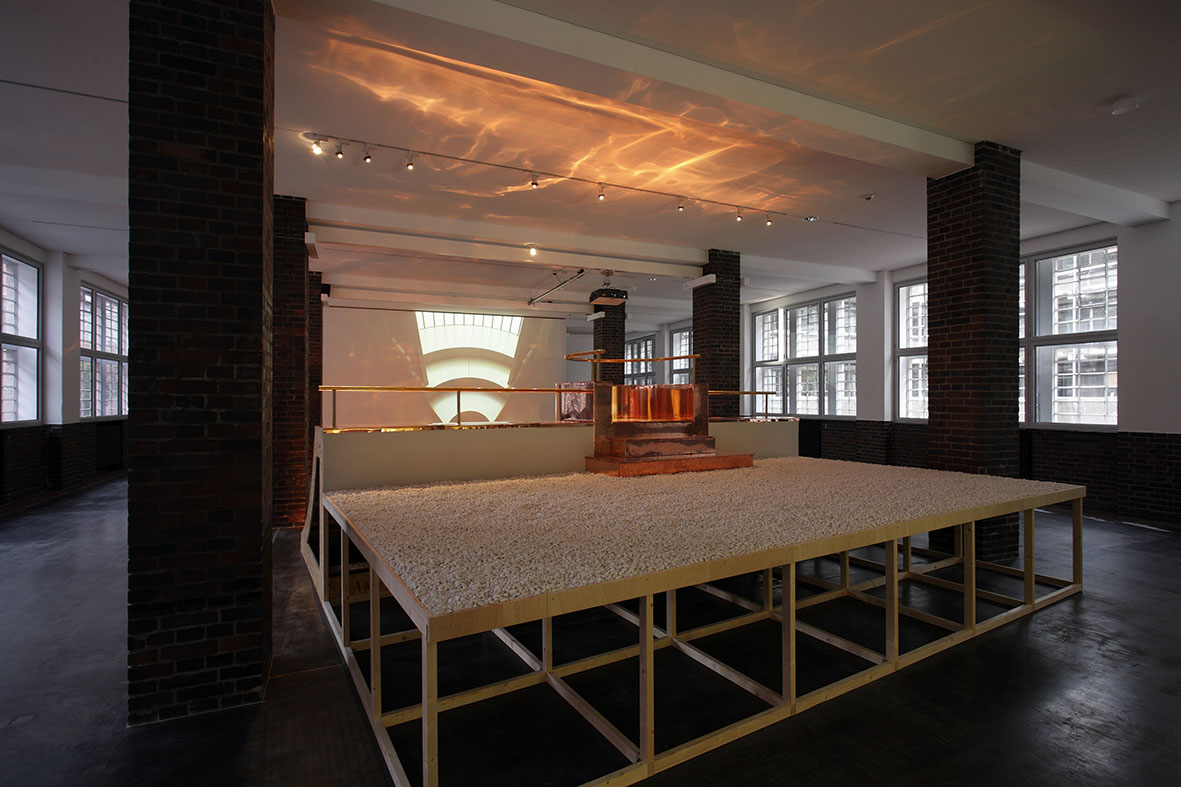
Balkon

Balkon, 2008

multimedia installation
copper, brass, wood, pebble, iron 570x503x230 cm;

digital video, 15’26’’

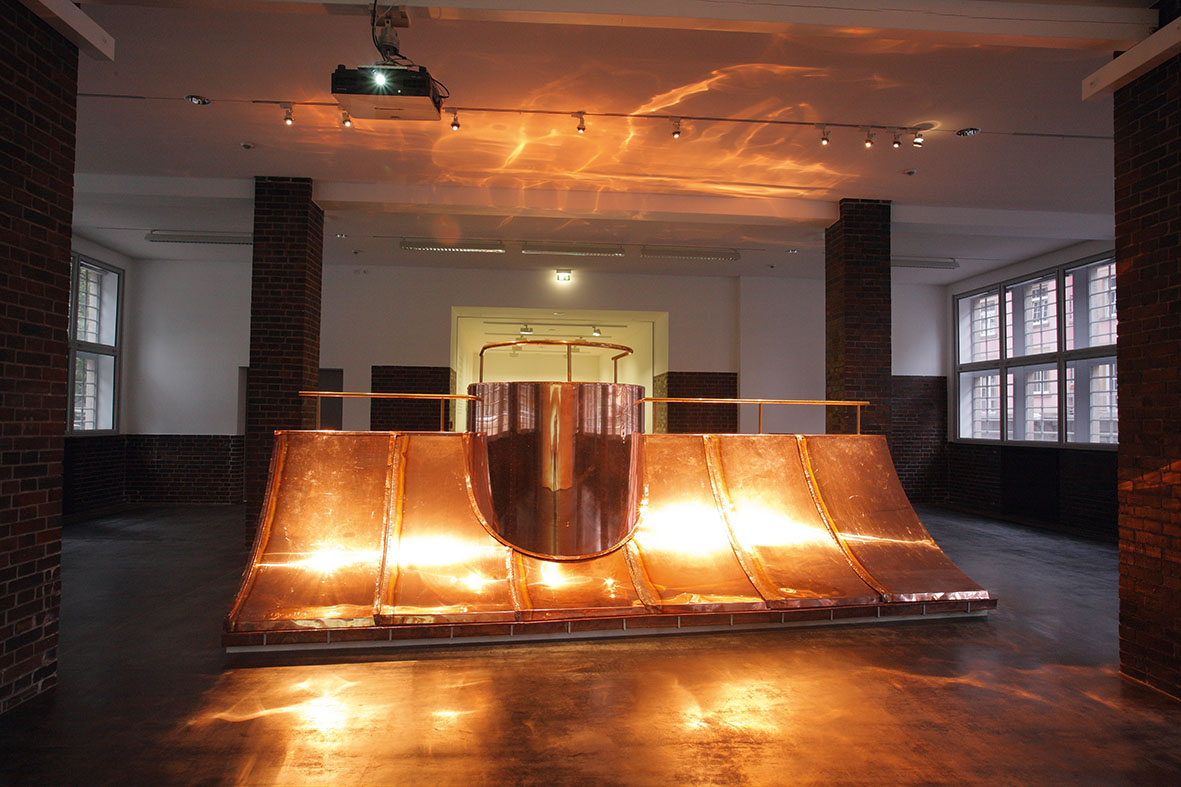
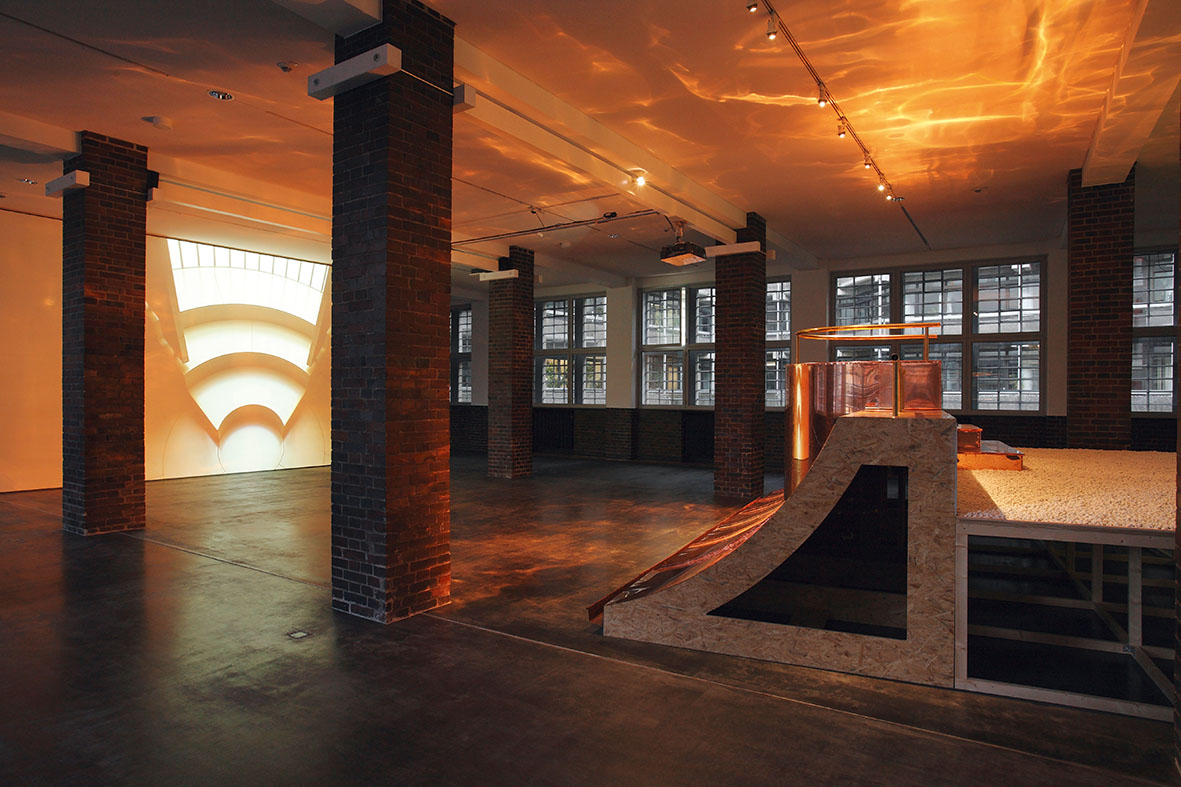
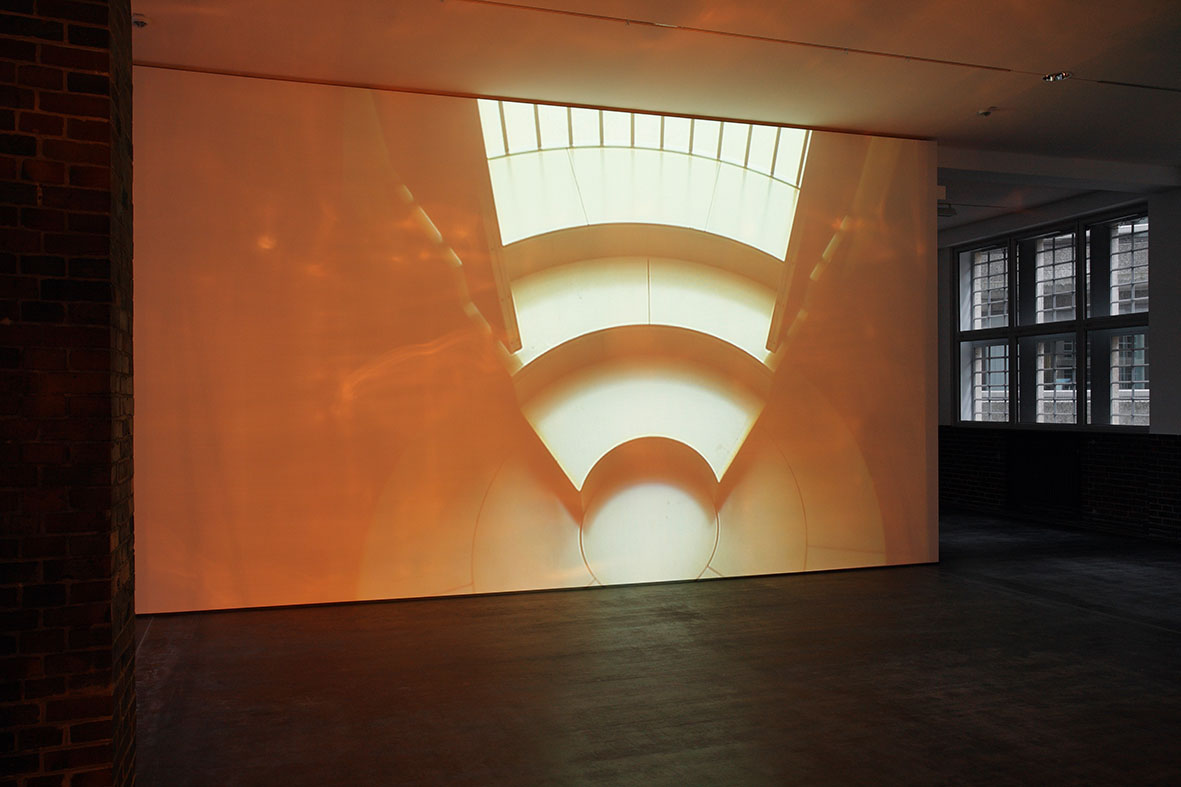
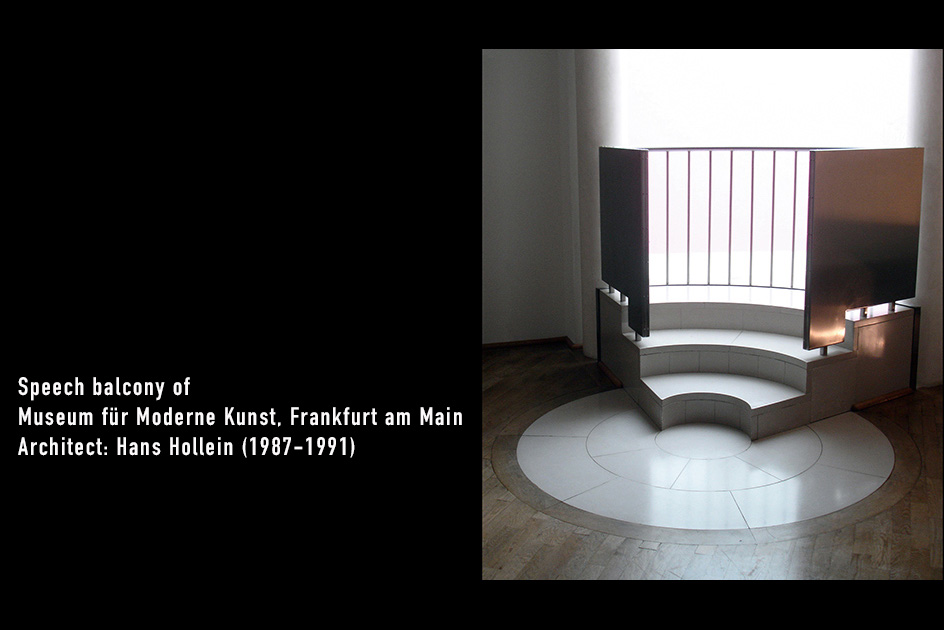
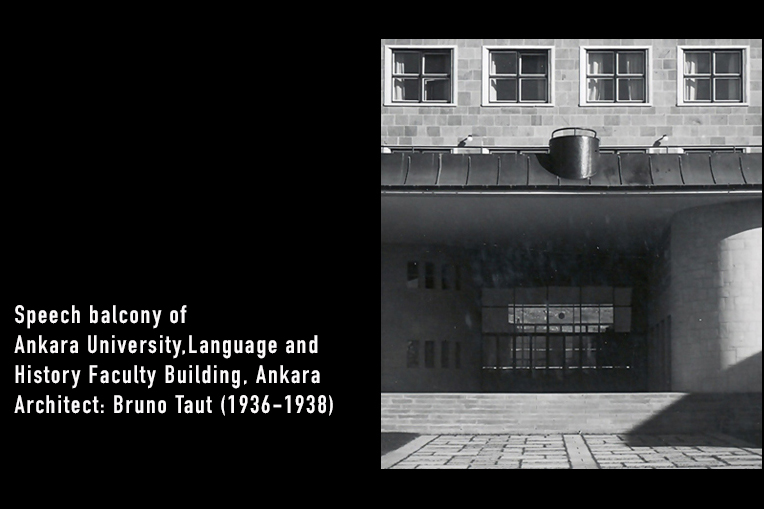
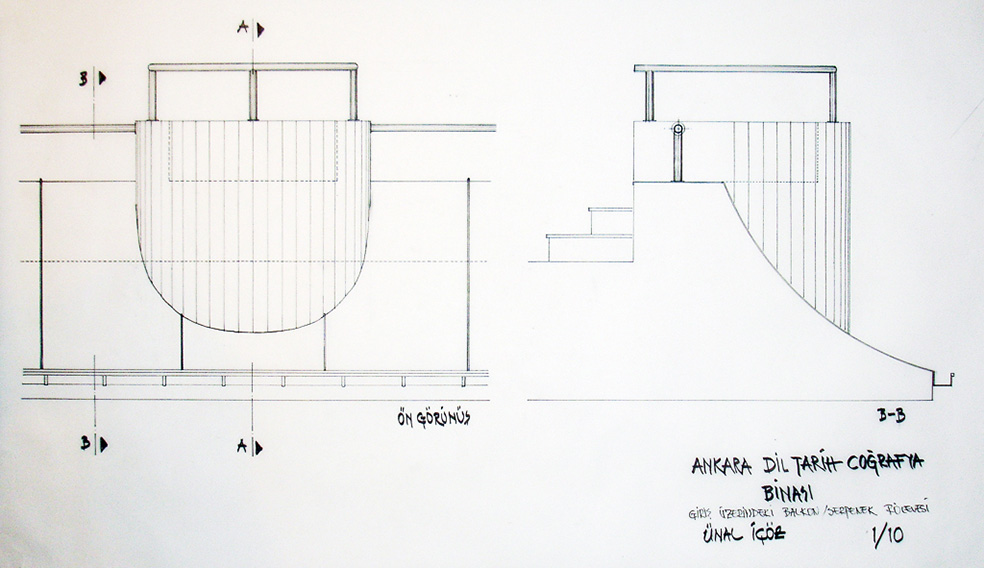
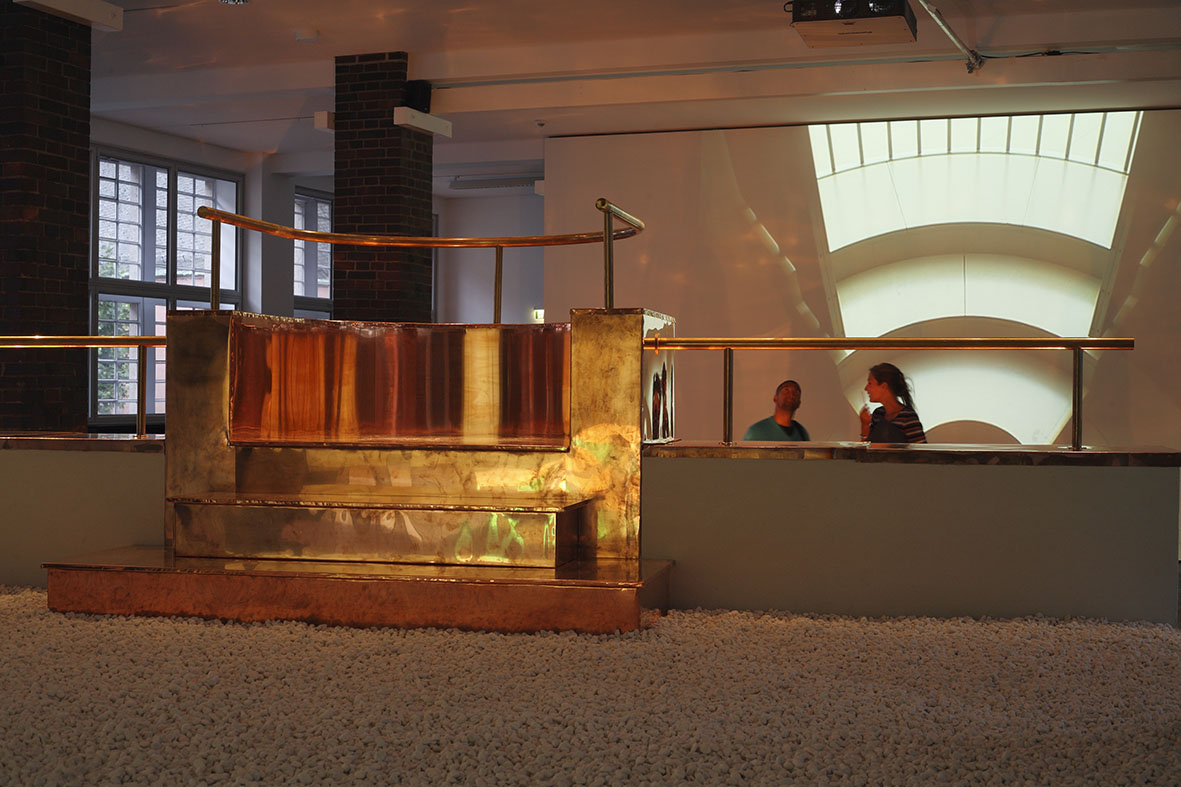
The work brings together two speech balconies in two different countries from two different eras. A one-to-one replication of the speech balcony at the facade of the building of Faculty of Language and History of Ankara University is shown together with the video of the speech balcony in the Museum für Moderne Kunst, Frankfurt. While the speech balcony of the university building is located on the exterior and faces to the area where ceremonies takes place, the museums’ balcony is located in the interior and faces the big hall where opening speeches are made. Although both of the balconies have never been used except in the opening ceremonies of the buildings, the meaning they imply and the possibility of being used remain.

Installation view: Museum für Moderne Kunst-Zollamt
Images 1,23,7,8,9: Axel Schneider

Flagpole

Flagpole, 2007

performance-sculpture
aluminum, 110x250x400 cm;
video documentation of the performance 21’04’’

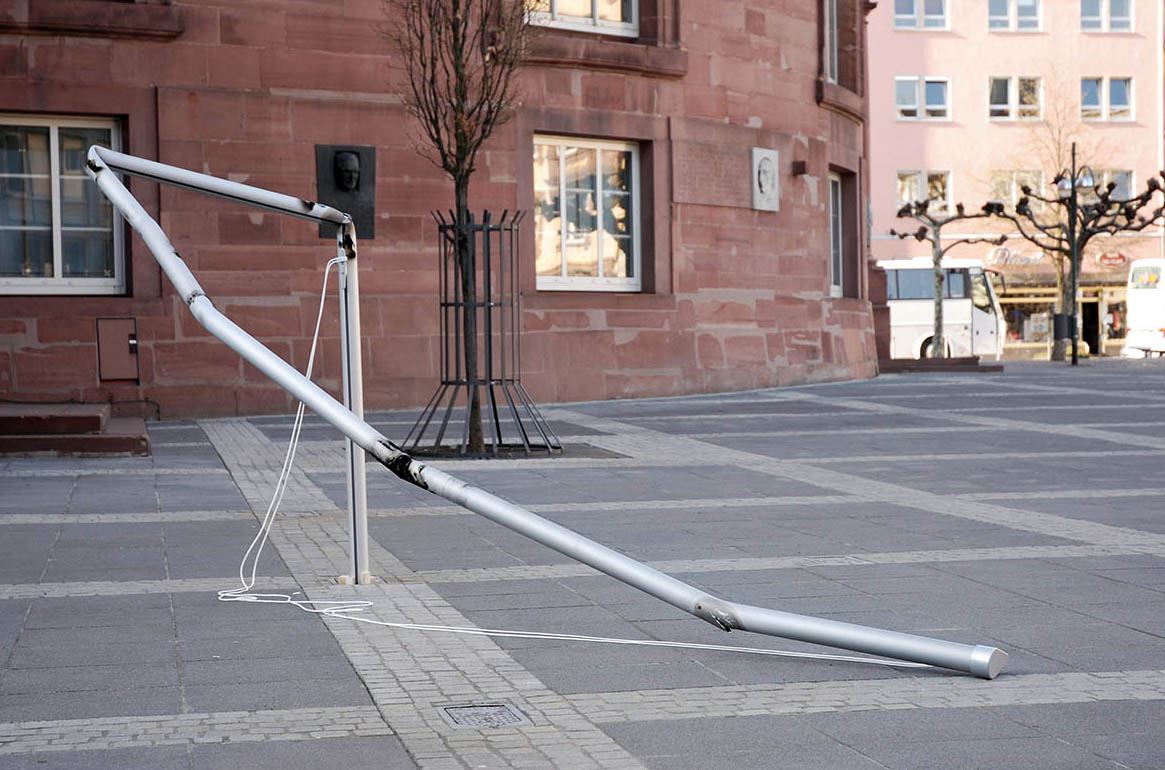
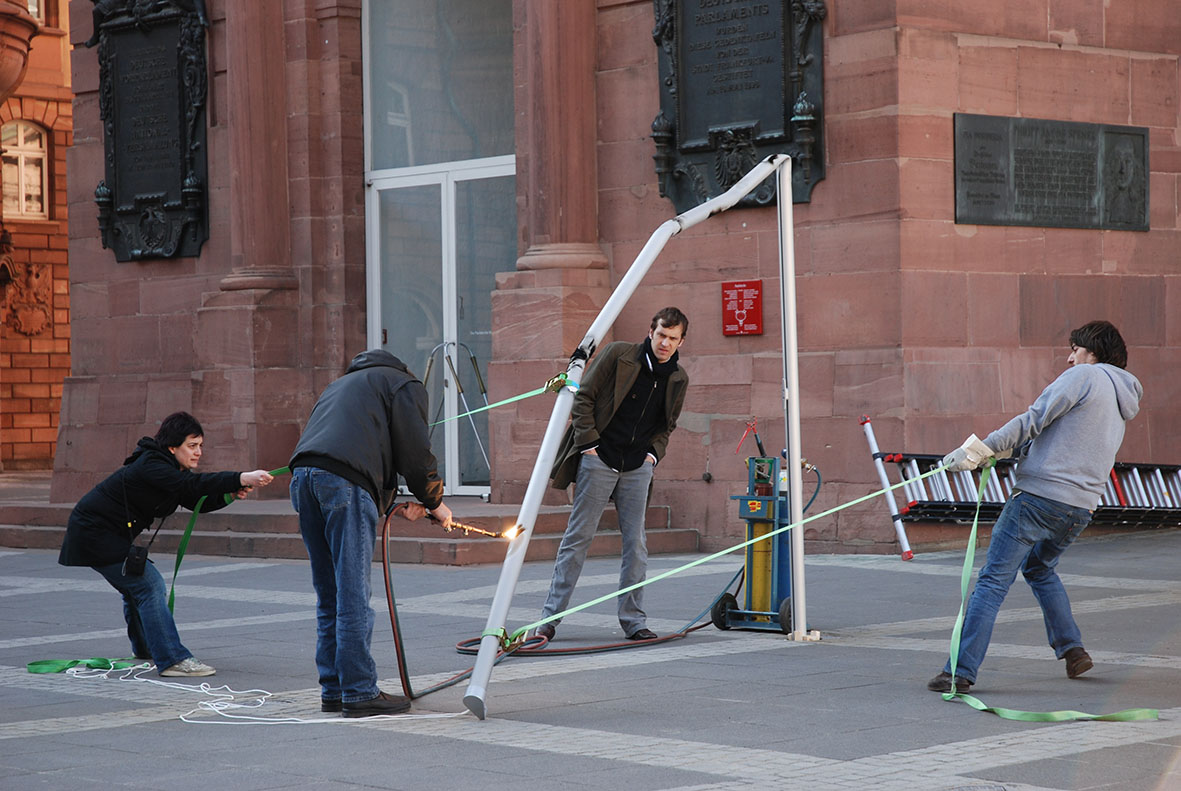
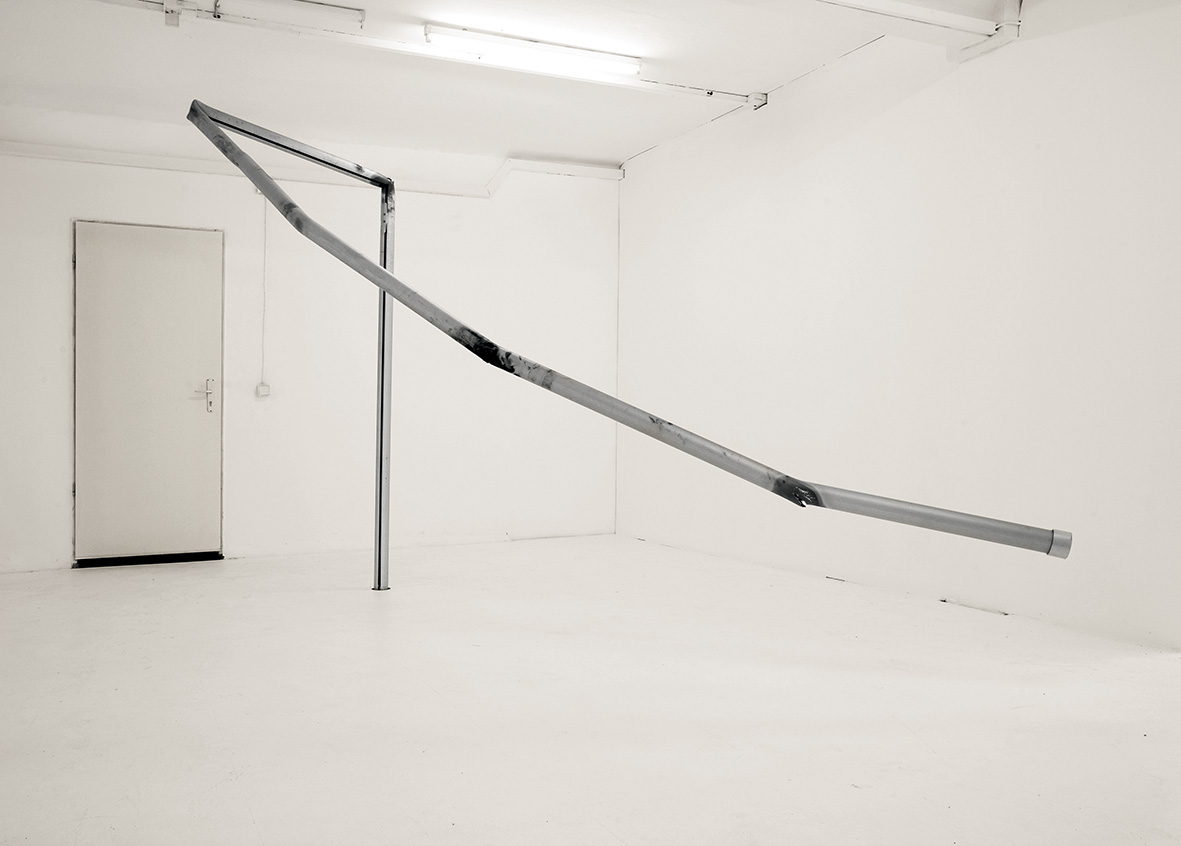
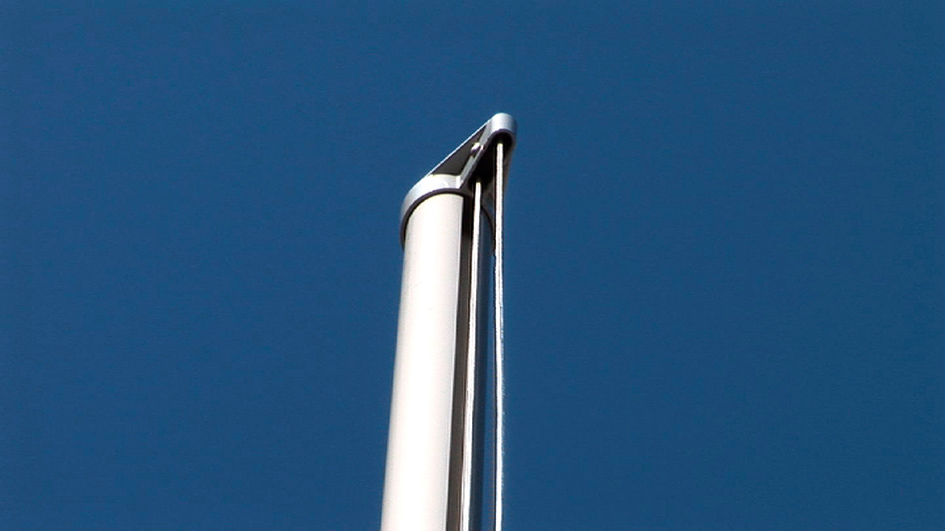
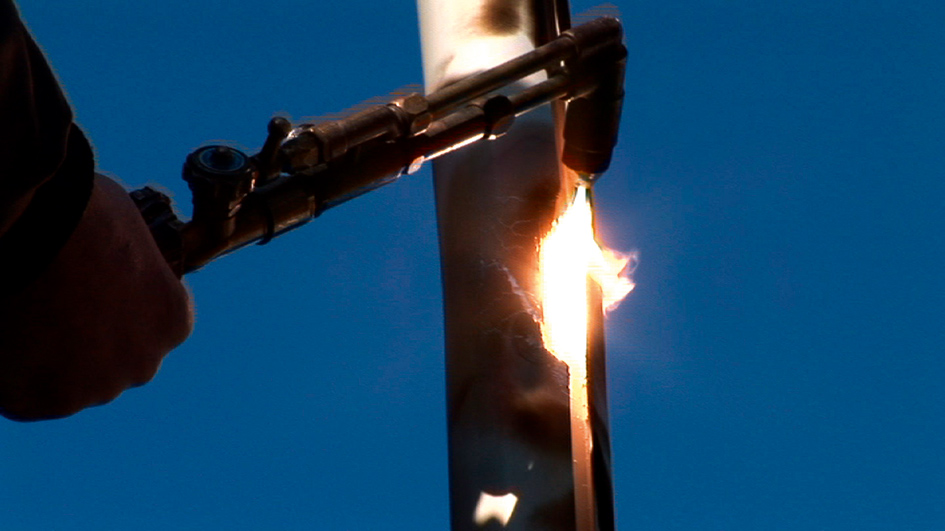
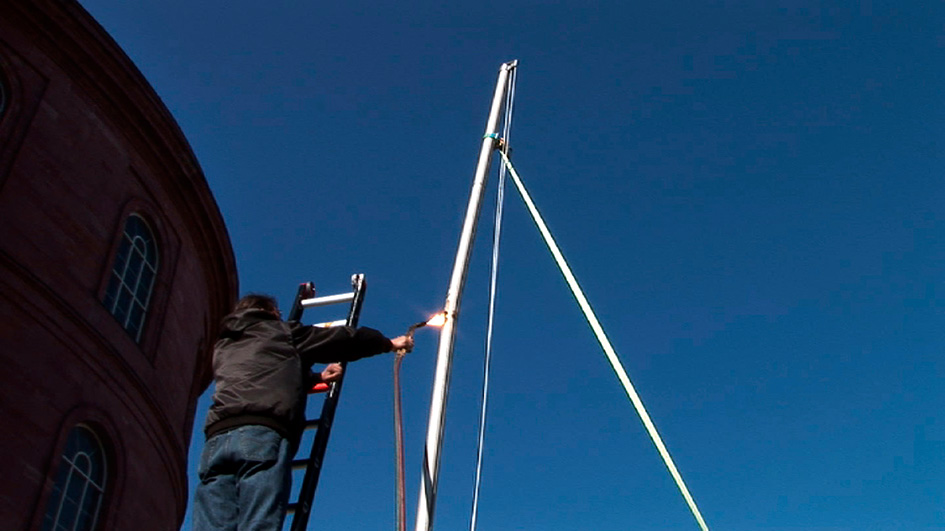
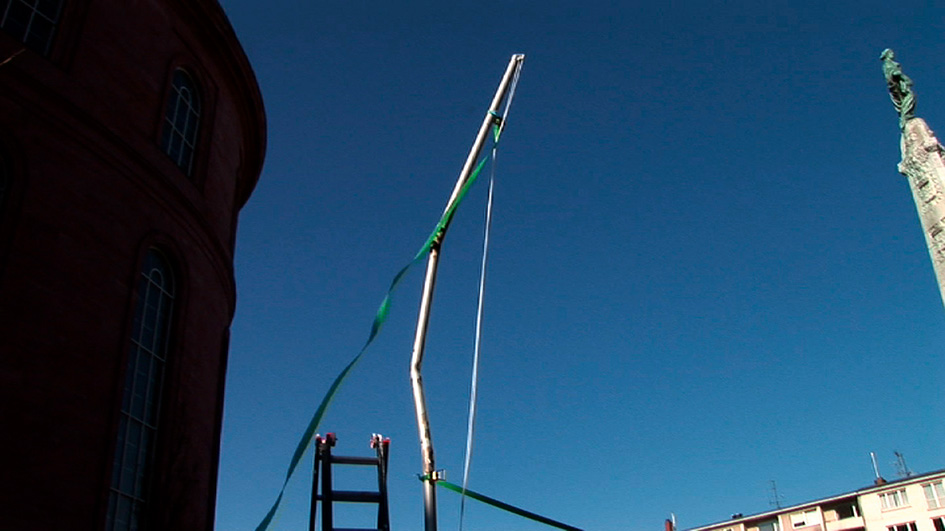
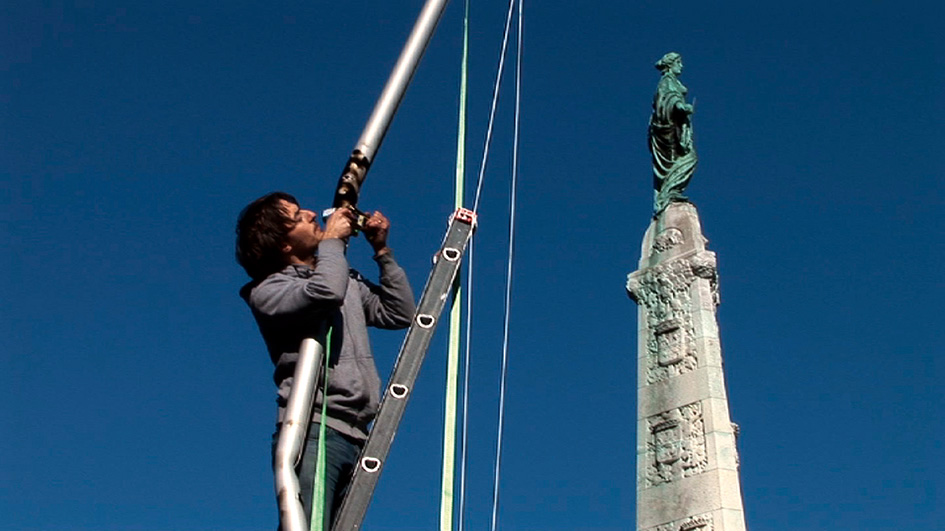
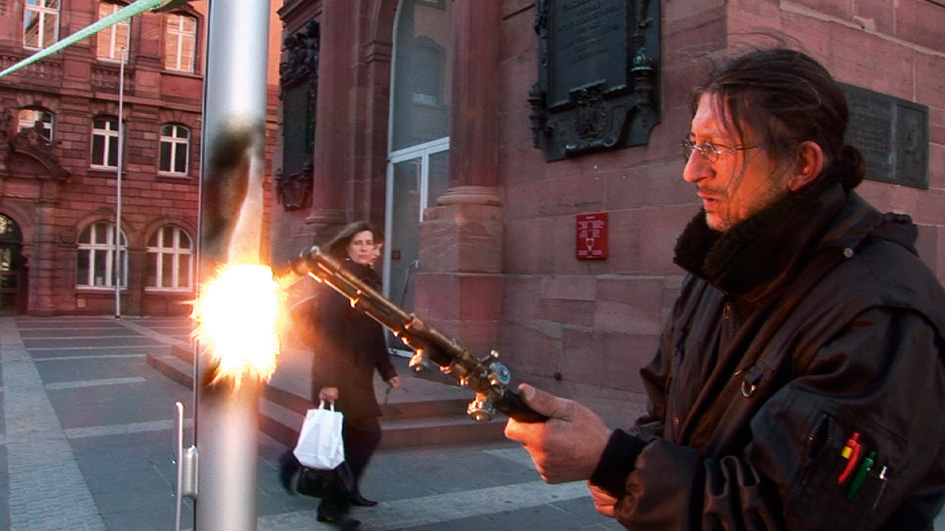
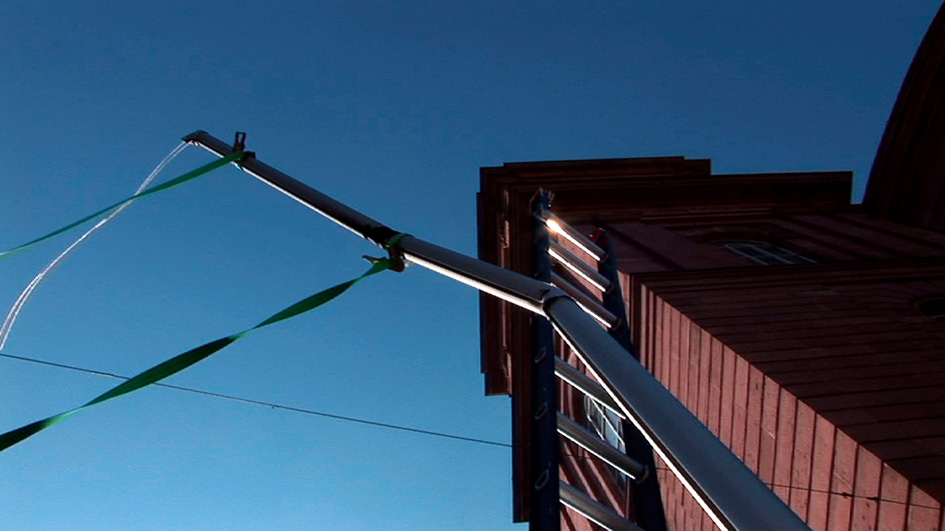
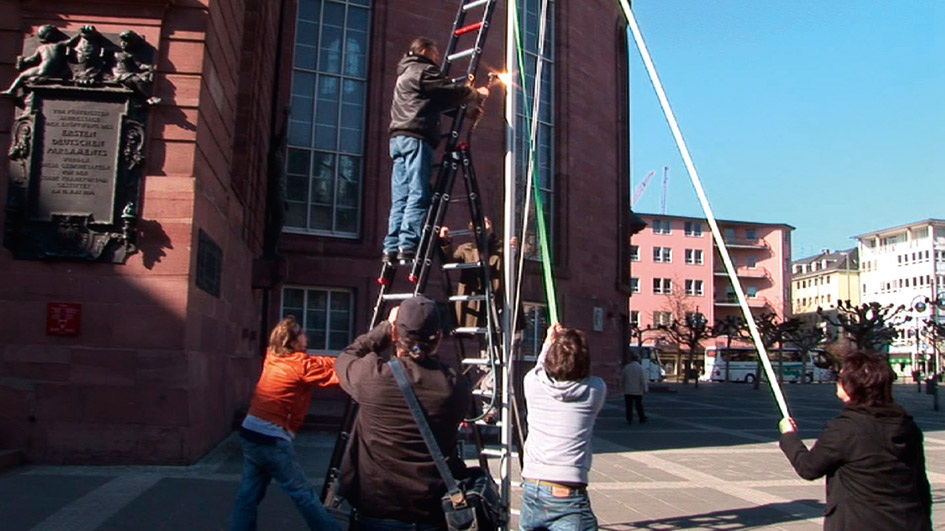
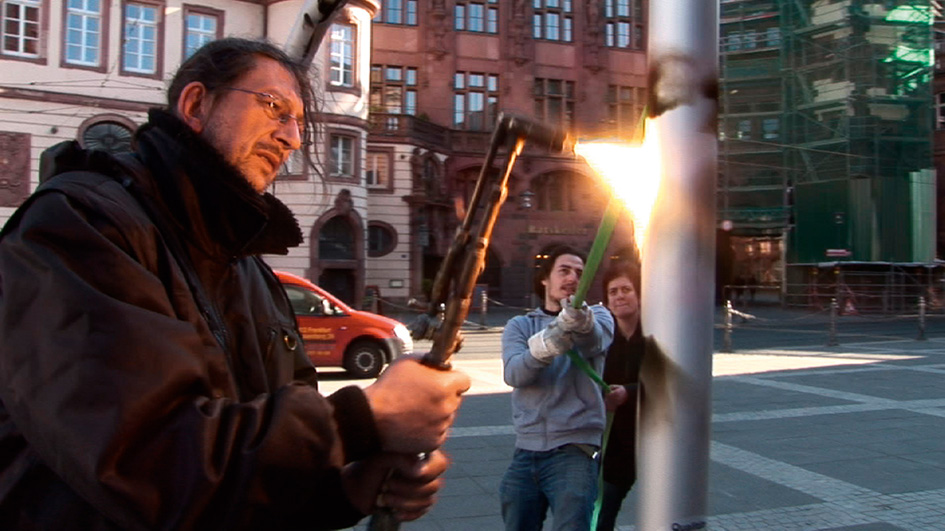
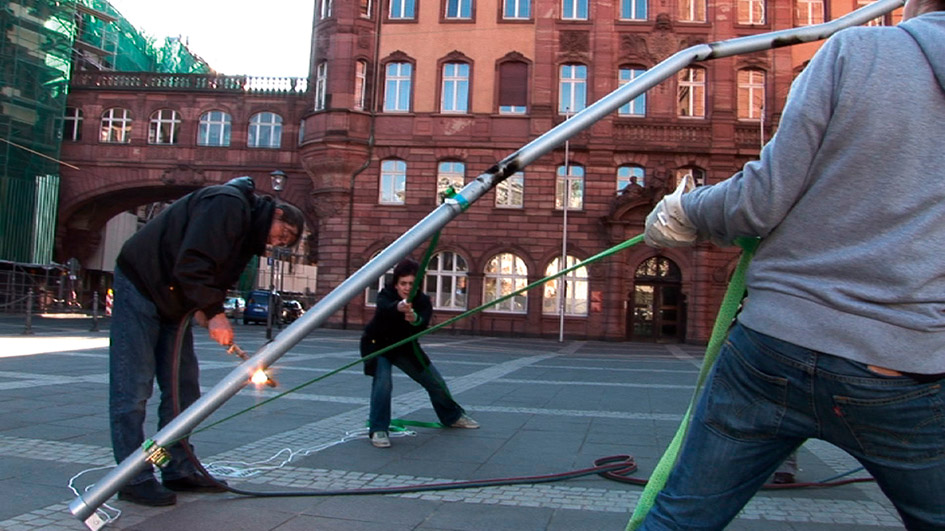
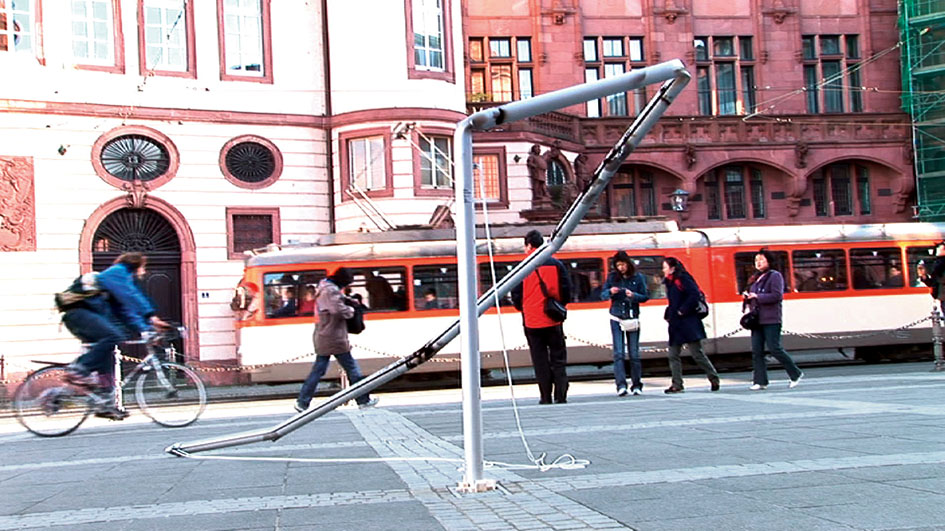
A flagpole is the carrier of the idea of belonging to a nation. Consequently, it has the meaning of staging national, international and cultural identity. The work transforms national and cultural belonging when transforming a flagpole into an abstract sculpture.

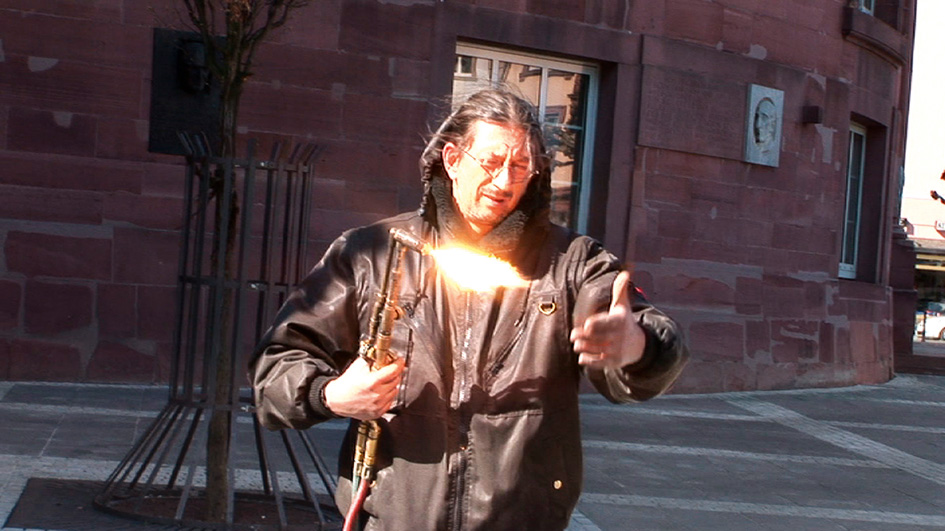
performance: in front of St. Paul’s Church, Frankfurt
installation view, Basis e.V., Frankfurt

photo 3: Cem Yücetaş