The Opening in Mayfair

The Opening in Mayfair (2026)
Performance- Installation
Ink-jet print on A2 size papers

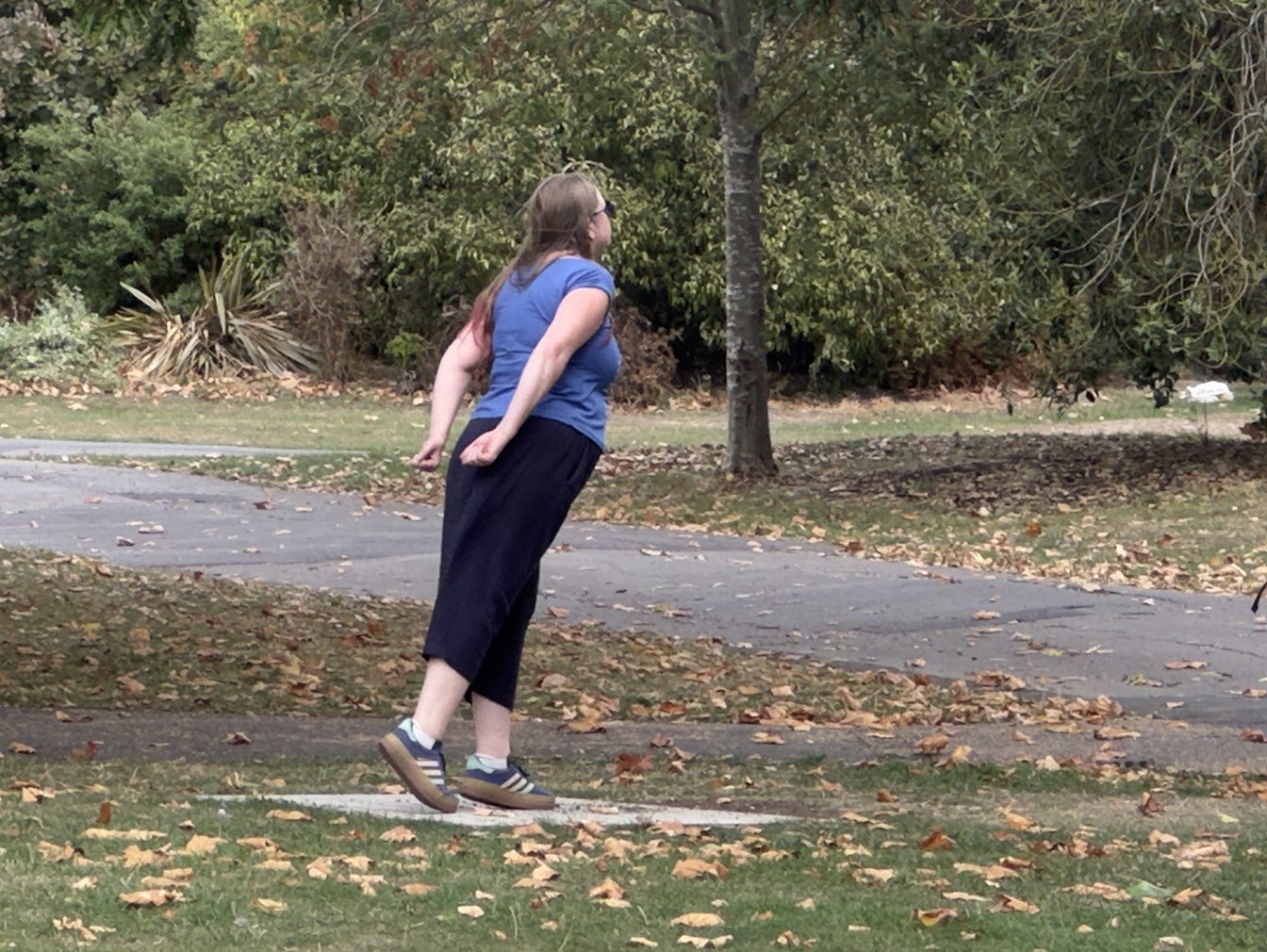
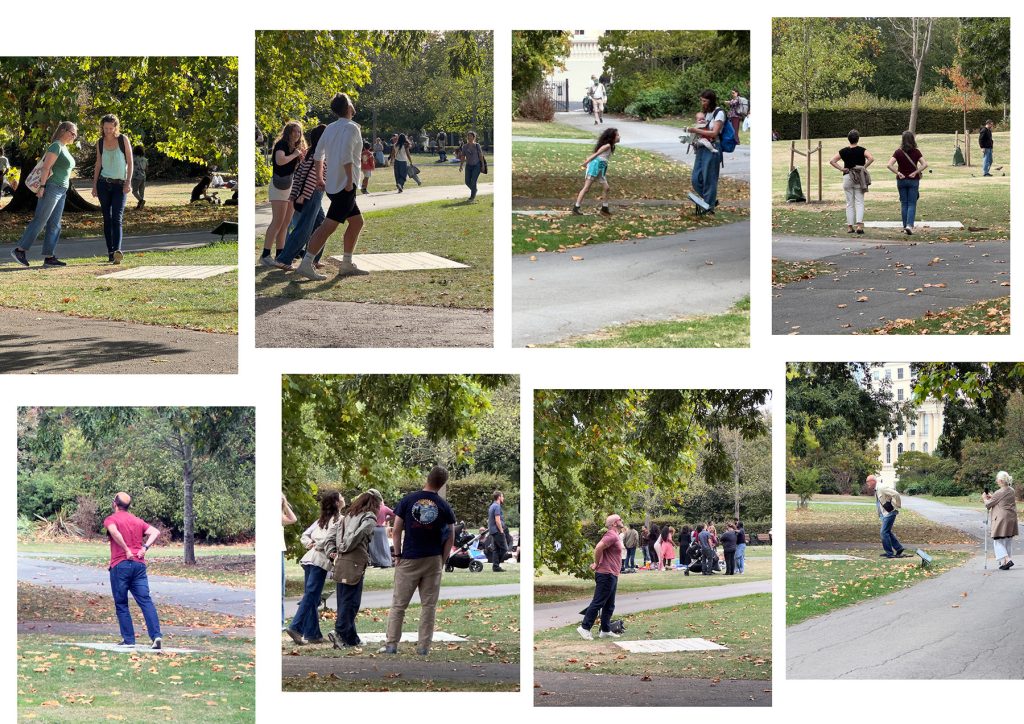
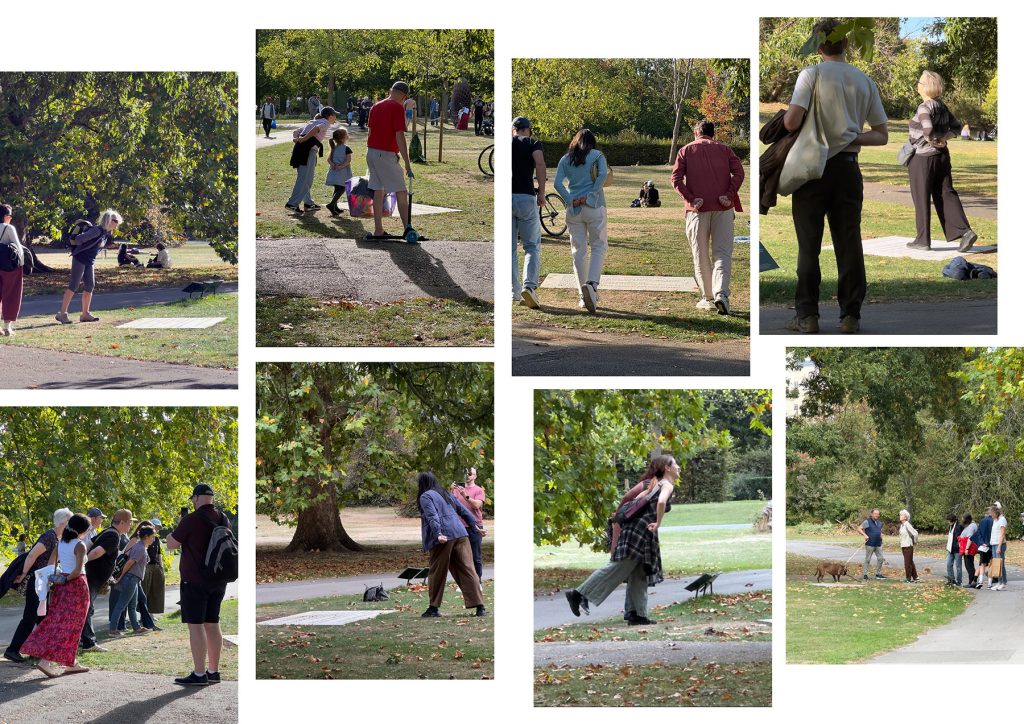
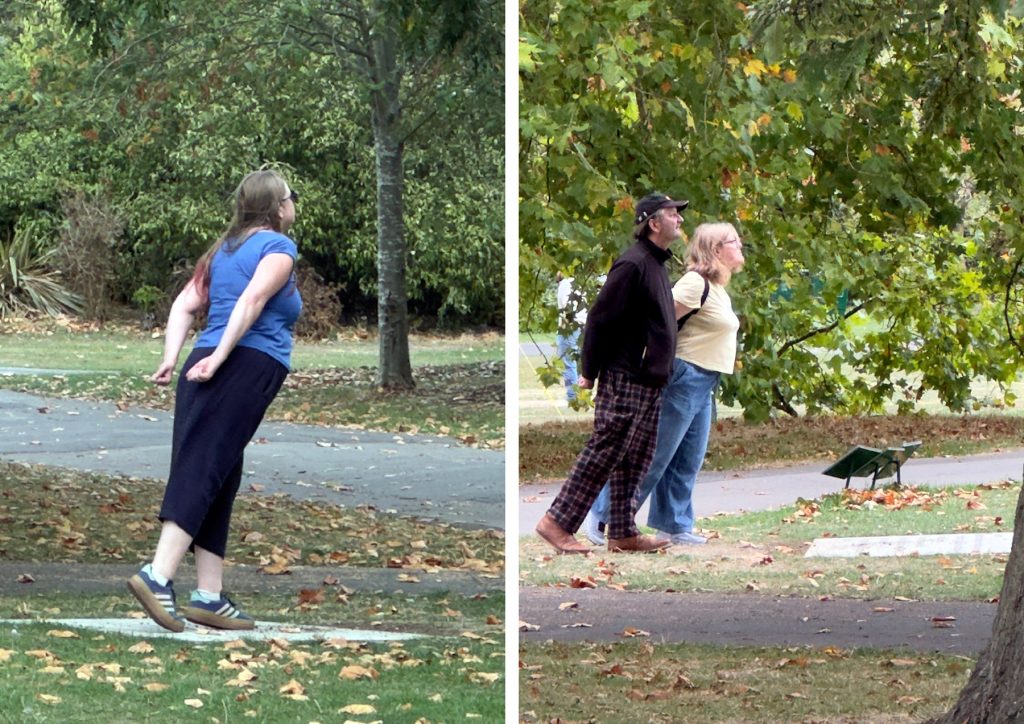
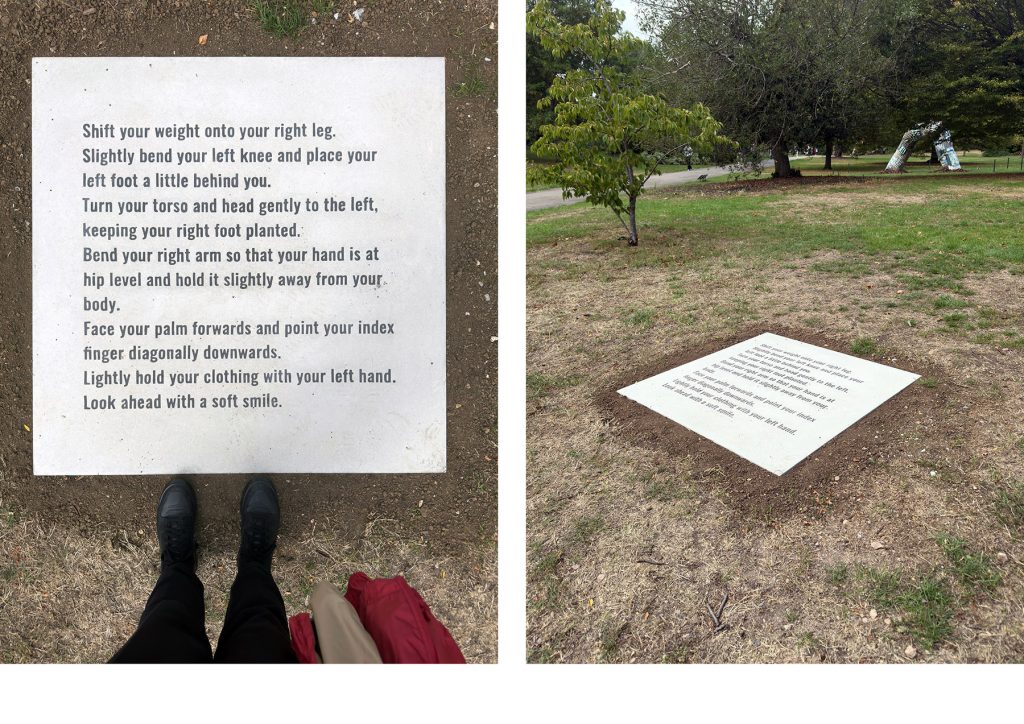
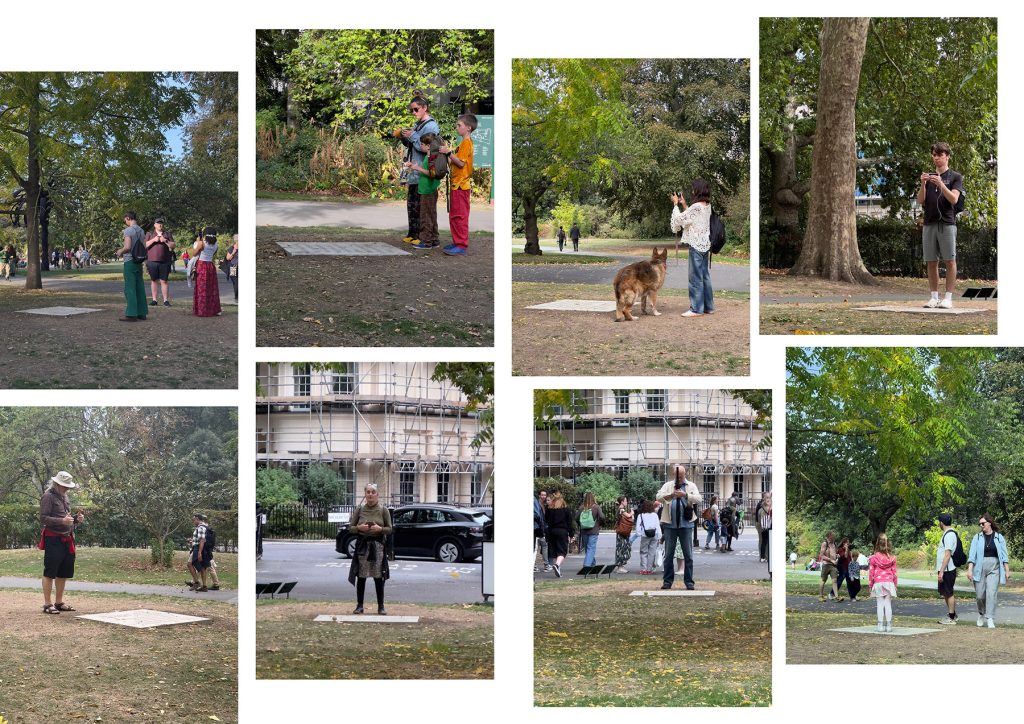
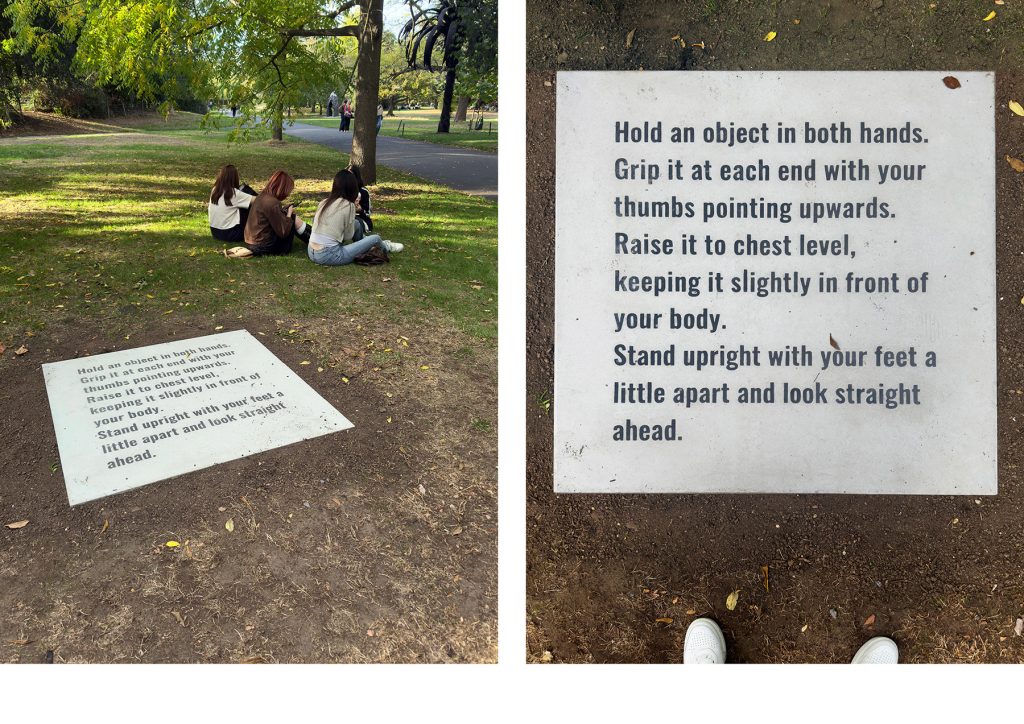
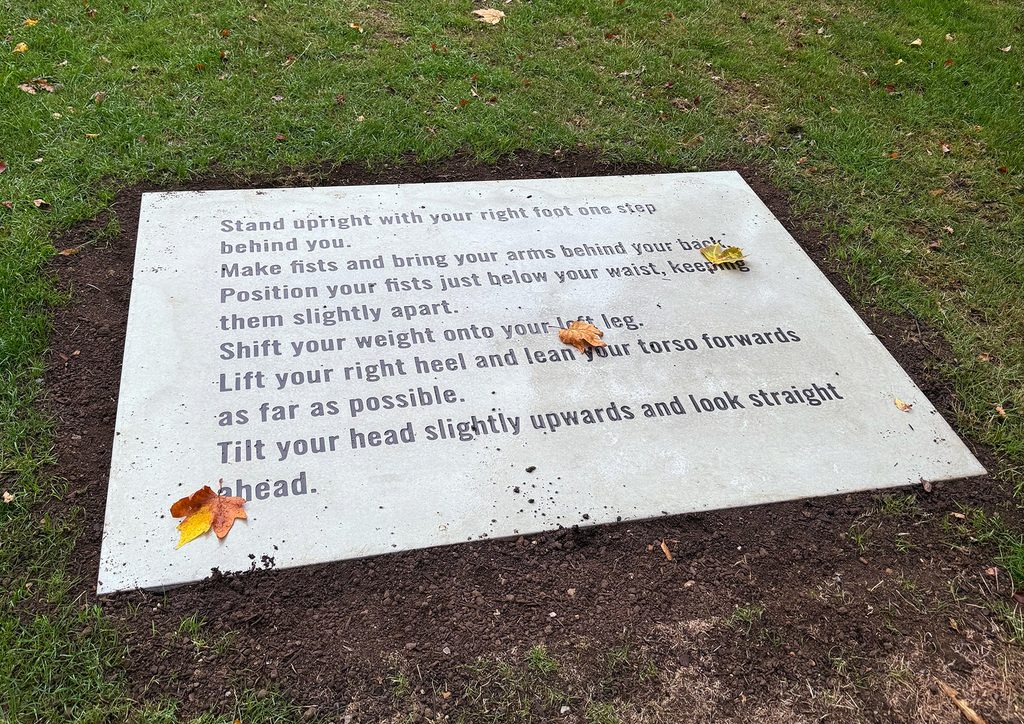
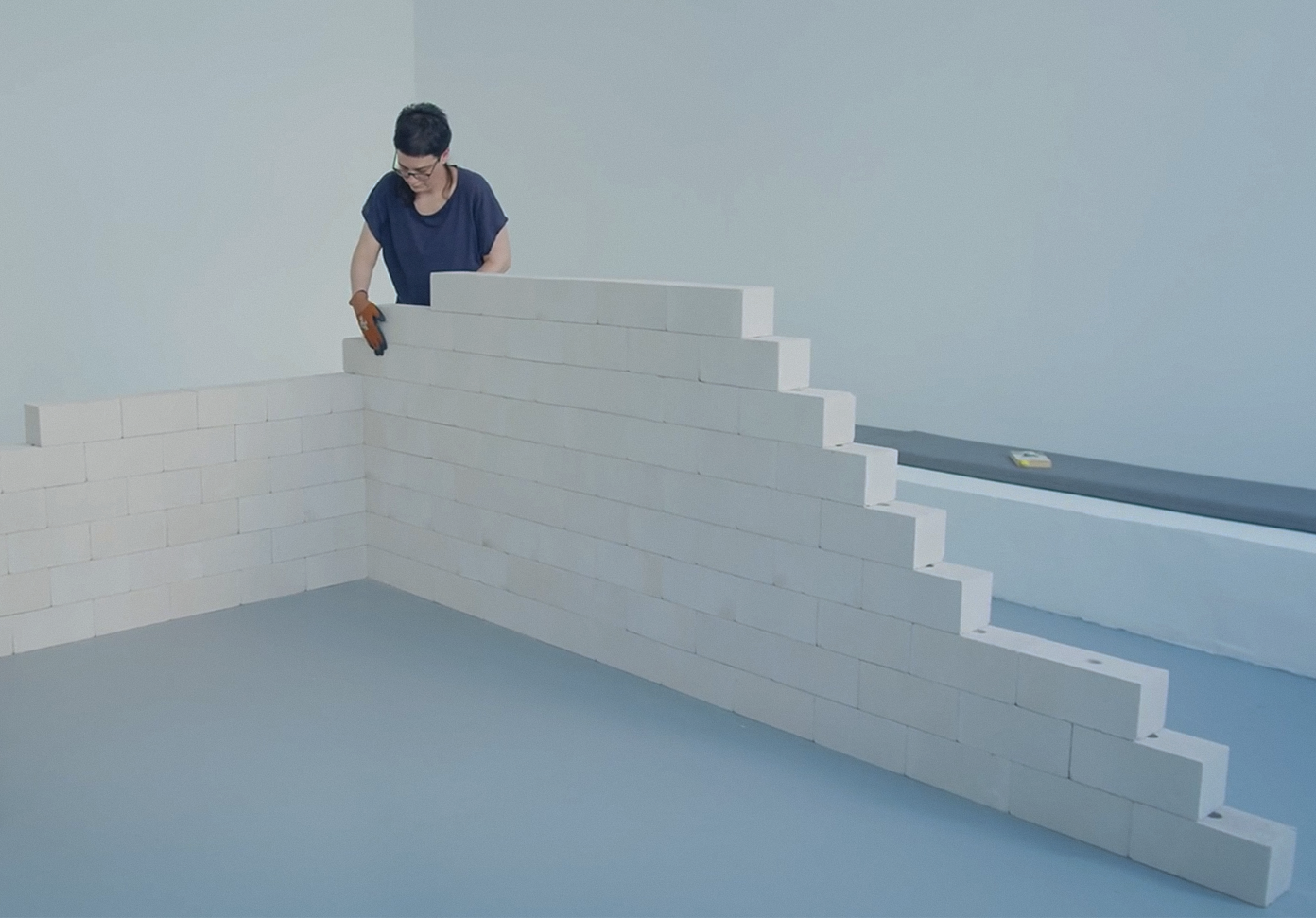
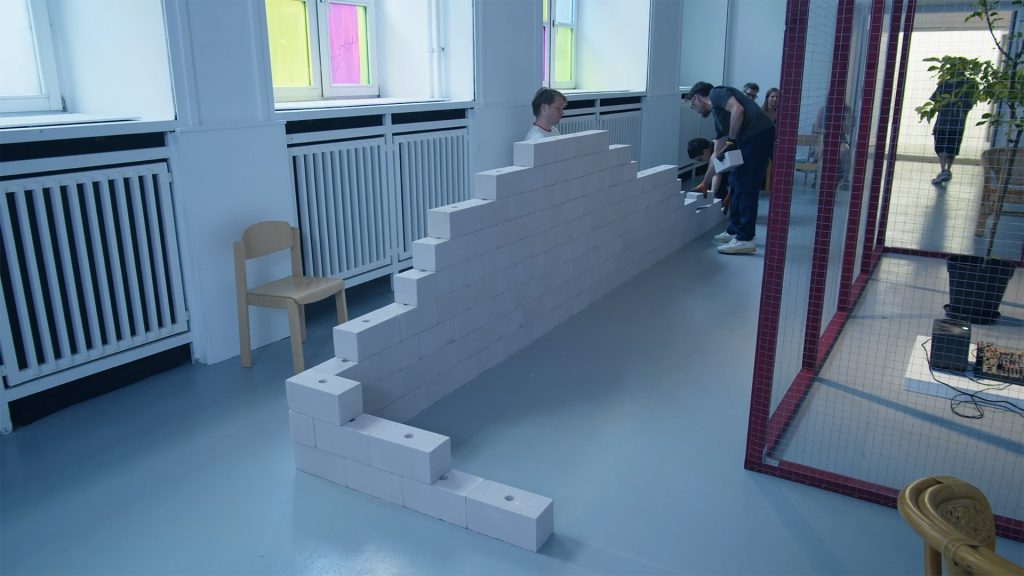
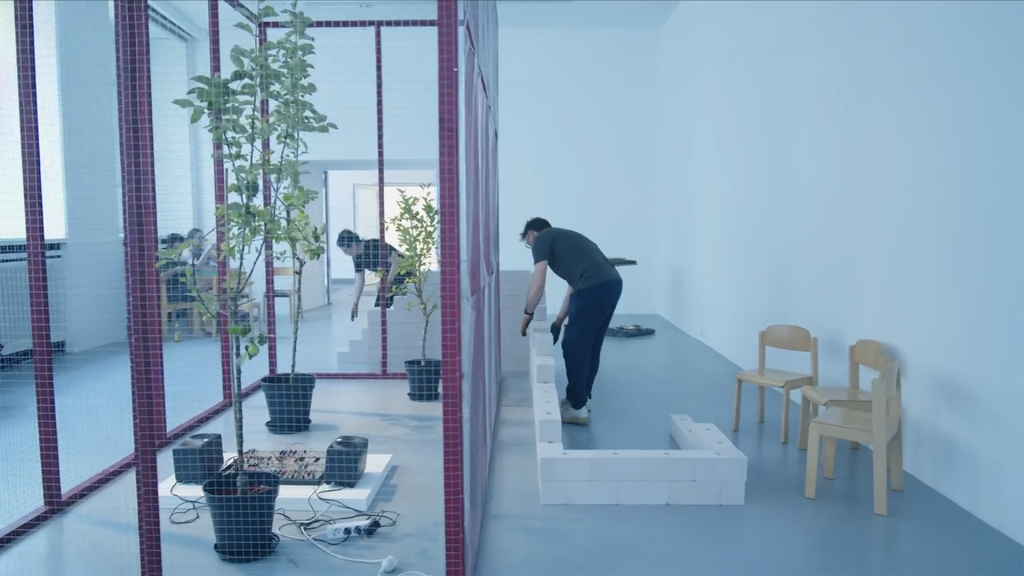
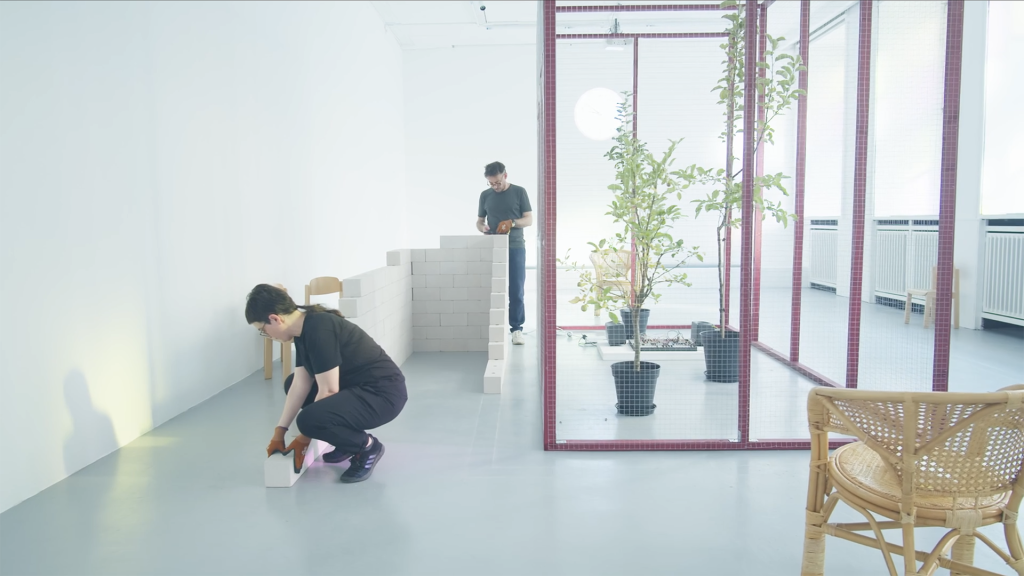
The Opening in Mayfair (2026), a performance that takes as its starting point the London Underground announcement ‘See it. Say it. Sorted.’, the artists highlight the open-ended nature of surveillance and espionage in the public realm. The work incorporates reports written during the exhibition opening by a detective – whose identity remains unknown, even to the artists. In doing so, Günyol and Kunt foreground the public nature of the gallery space and the increasing authoritarian pressures shaping this publicness within the global political climate.

From the press release of the exhibition If you wanna go outside, get, 5 MARCH–11 APRIL 2026 at DİRİMART LONDON

Video and video stills: Lee Pretious

(at) the same time

(at) the same time (2026)
Digital video 60 sec.

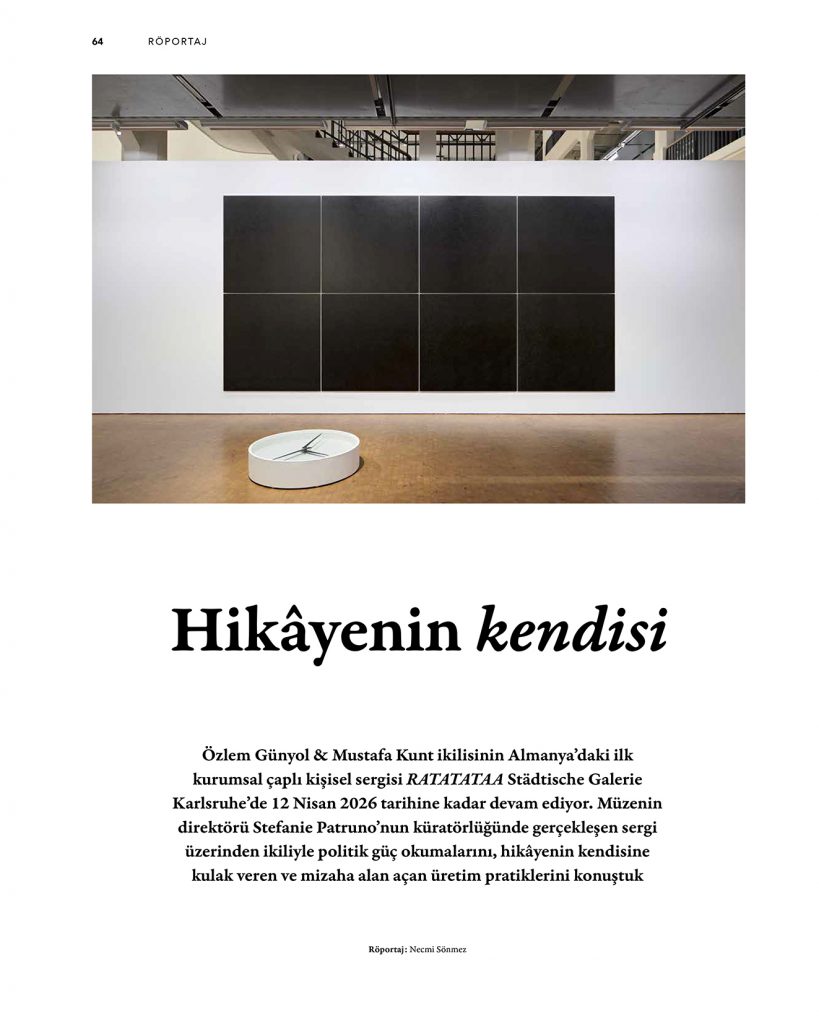
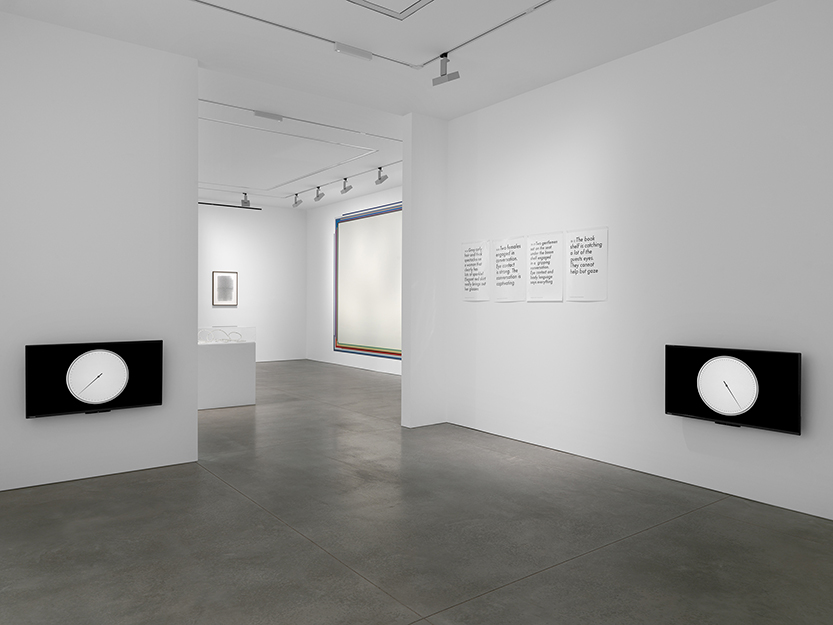
The video installation “(at) the same time” consists of two separate videos displayed on two screens. With a single rotating indicator accompanied by rhythmic ticking sounds—vocalized by the artists—both dials complete a full rotation in exactly one minute. However, this duration is divided into different segments based on the artists’ heartbeats: Günyol’s minute is divided into 54 units, while Kunt’s minute is divided into 76 units.
Thus, although both rotations are completed within the same duration, Günyol’s creates a calmer sensation, whereas Kunt’s evokes a more tense one. The project intertwines mathematically divided time with organically segmented time, emphasising one’s own perception of time. 

Installation view; If you wanna go outside, get inside, Dirimart London 

photographs: Todd-White

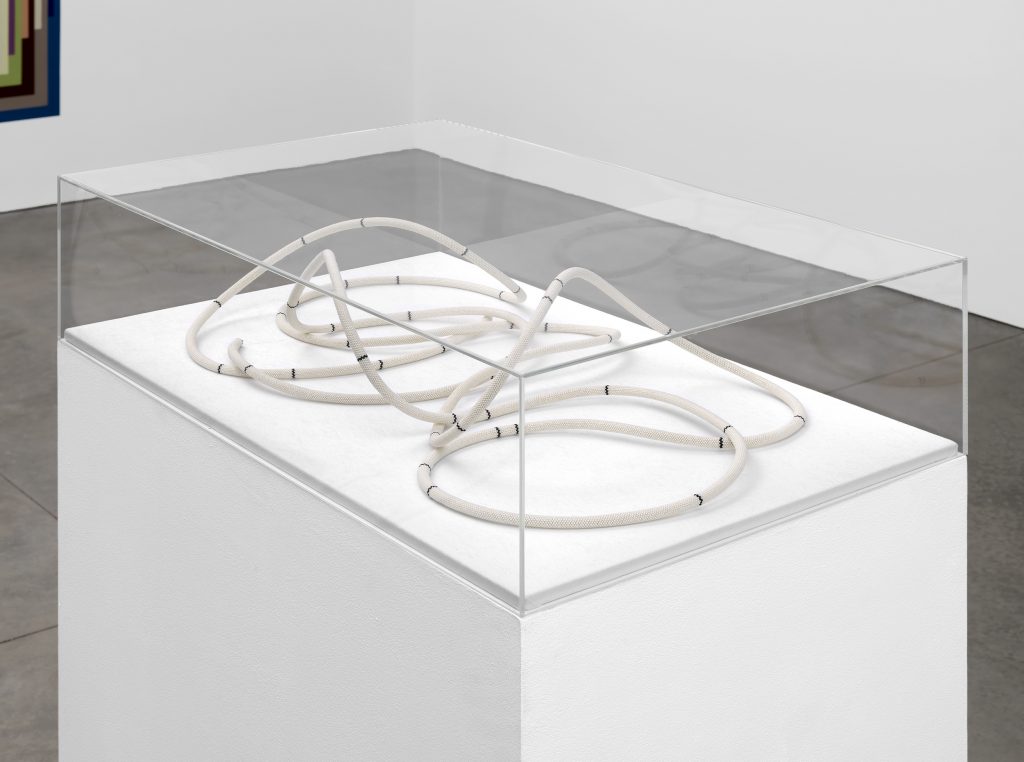
Day by Day

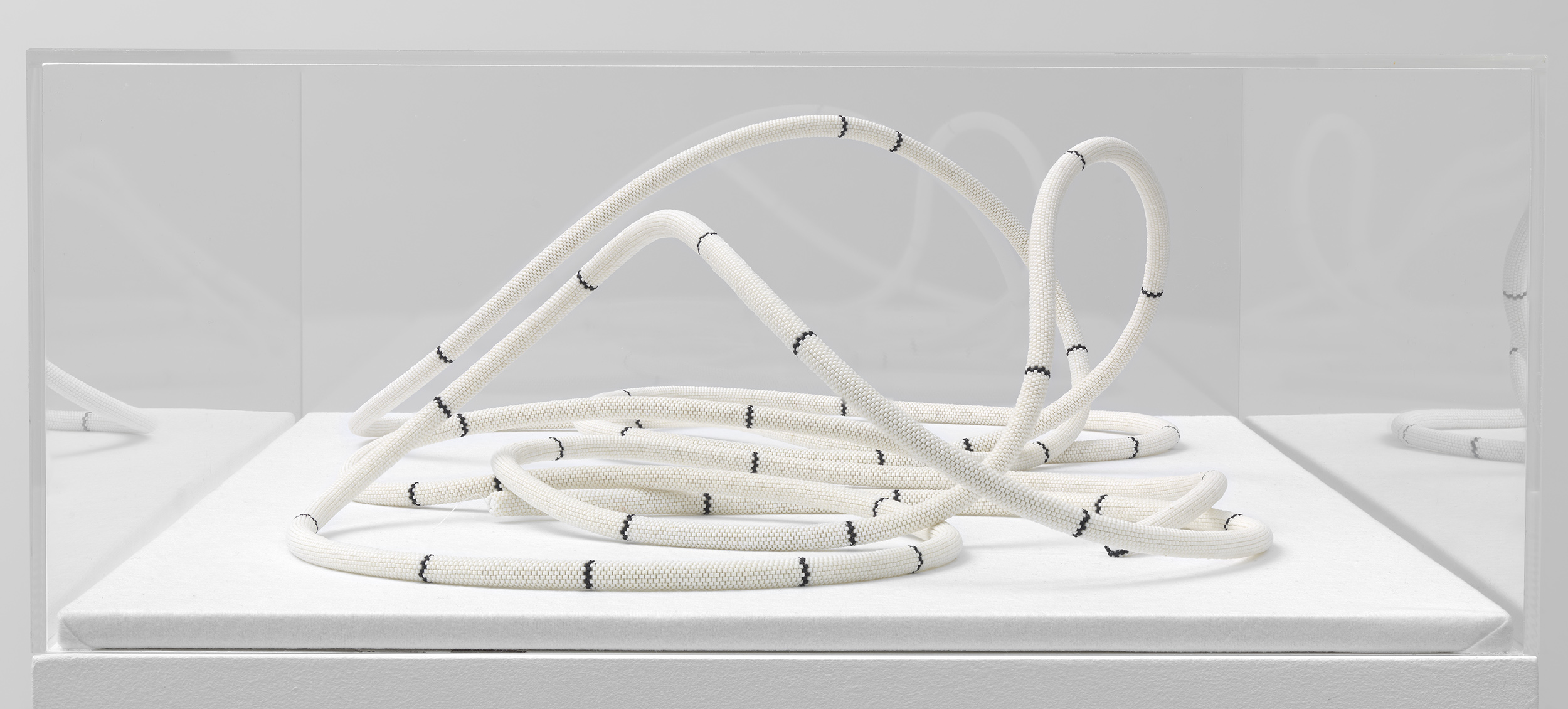
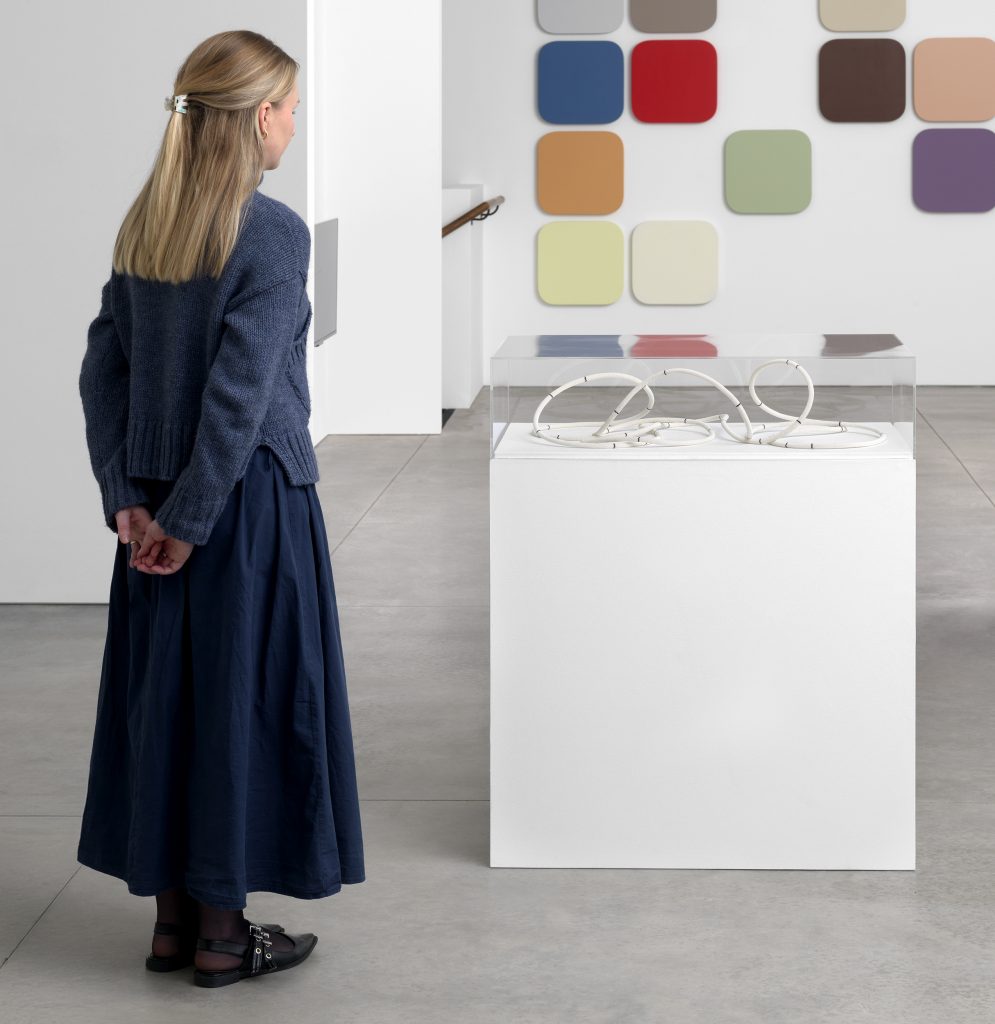
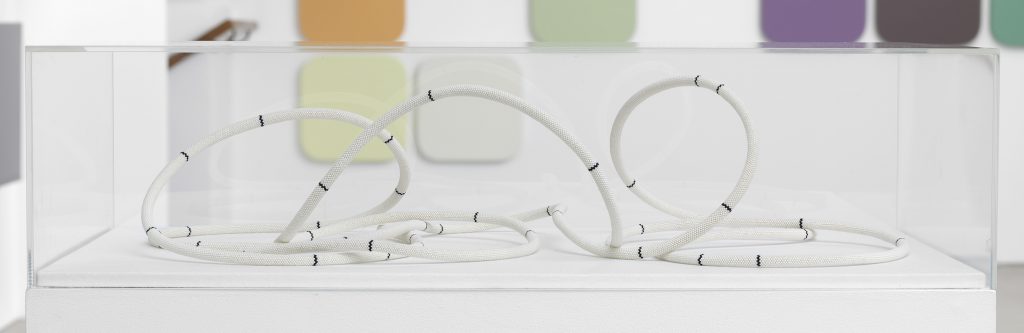
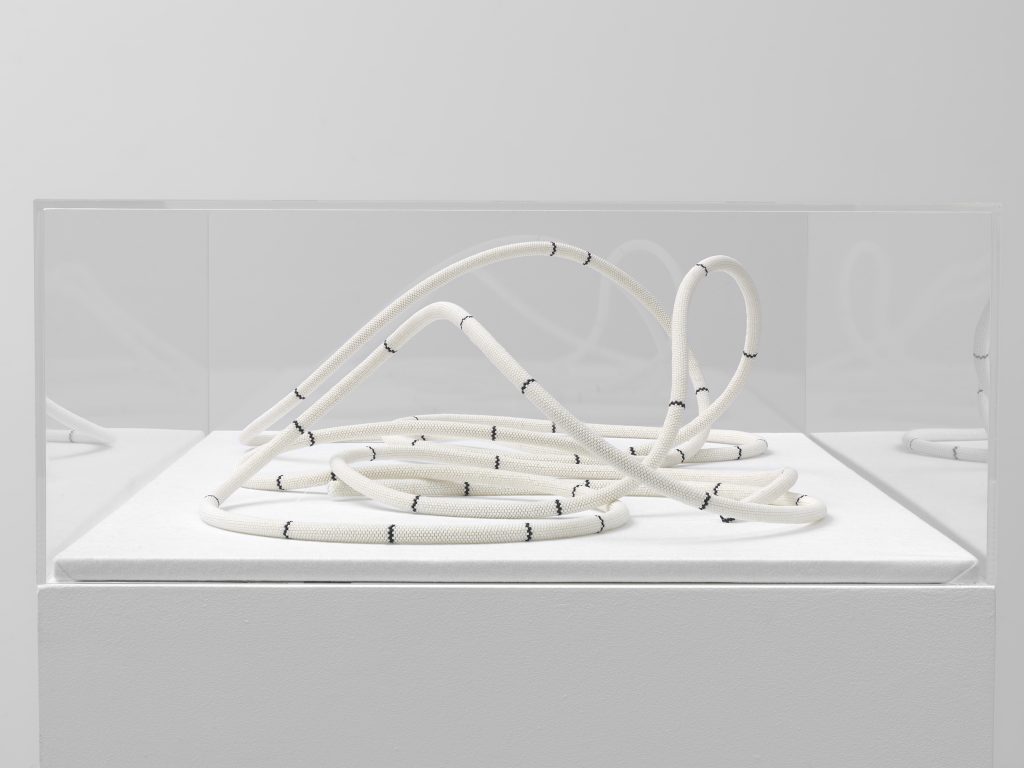
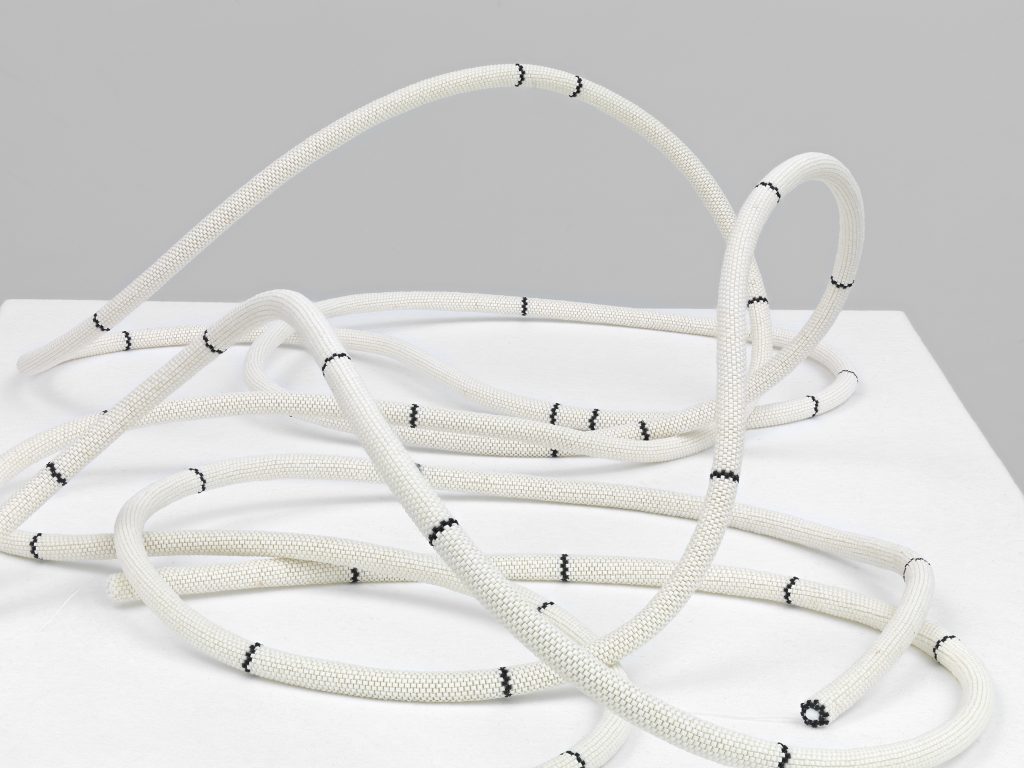
Day by Day (2026-ongoing)
1.6 mm glass beads, synthetic thread
dimensions variable

Day by Day (2026) is produced using the knitting technique known as “prison work” — a form of beaded handicraft made by prisoners since the early twentieth century and now considered an important strand of folk art.

The project progresses during the artist’s “free time,” gradually filling these periods and, over time, beginning to generate its own measure of time. In this beaded structure, which advances approximately 3 cm per hour, each black ring marks the beginning of a new day, while the length of the white segments makes visible the amount of time devoted to this production on that particular day. In this way, the project transforms into a temporal weave that measures both its own time and the time that is transferred to it.

Once completed, the work will mark the passage of a full year.

(321 days left)

İnstallation view; If you wanna go outside, get inside, Dirimart London

photographs: Todd-White

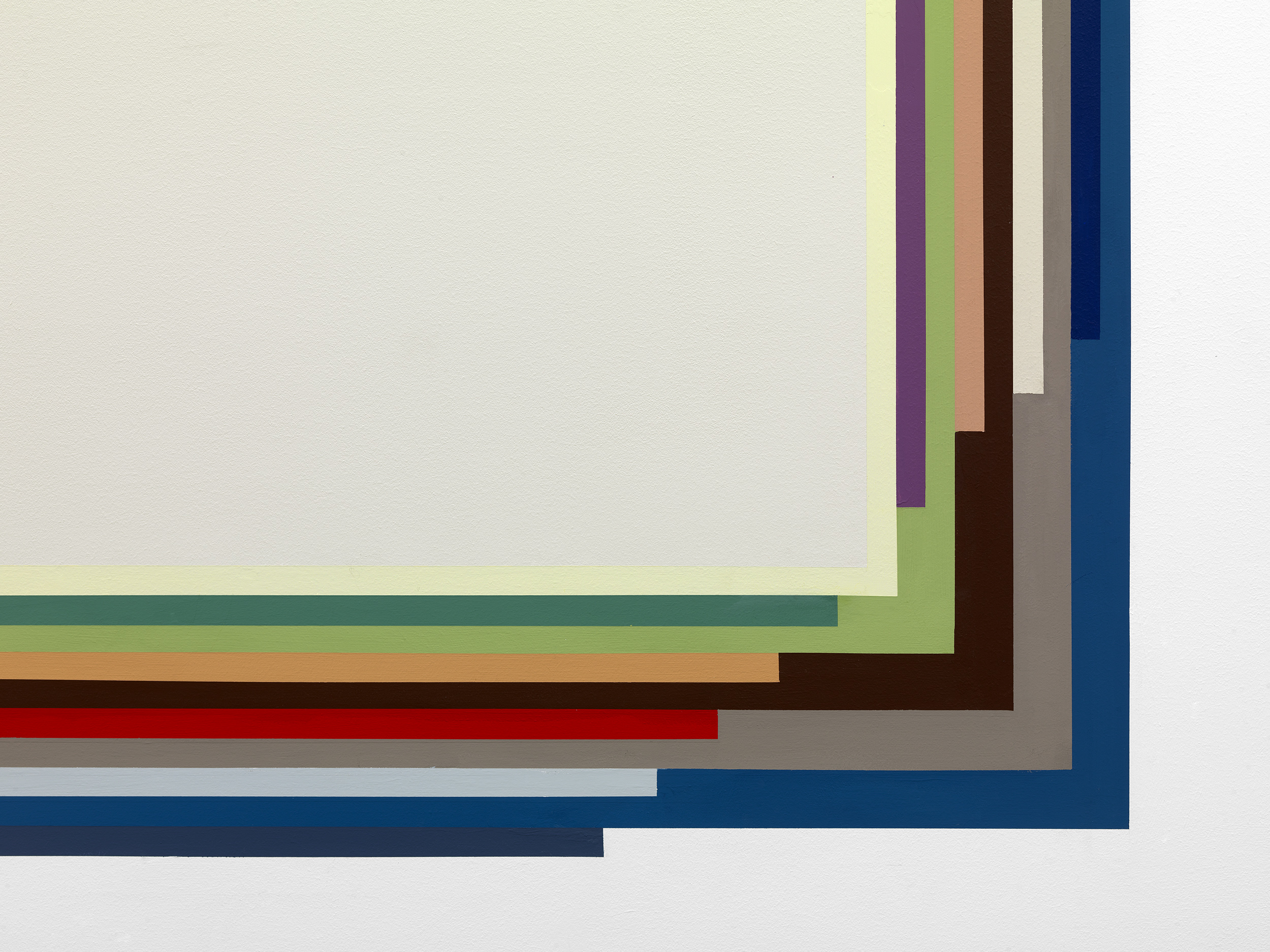
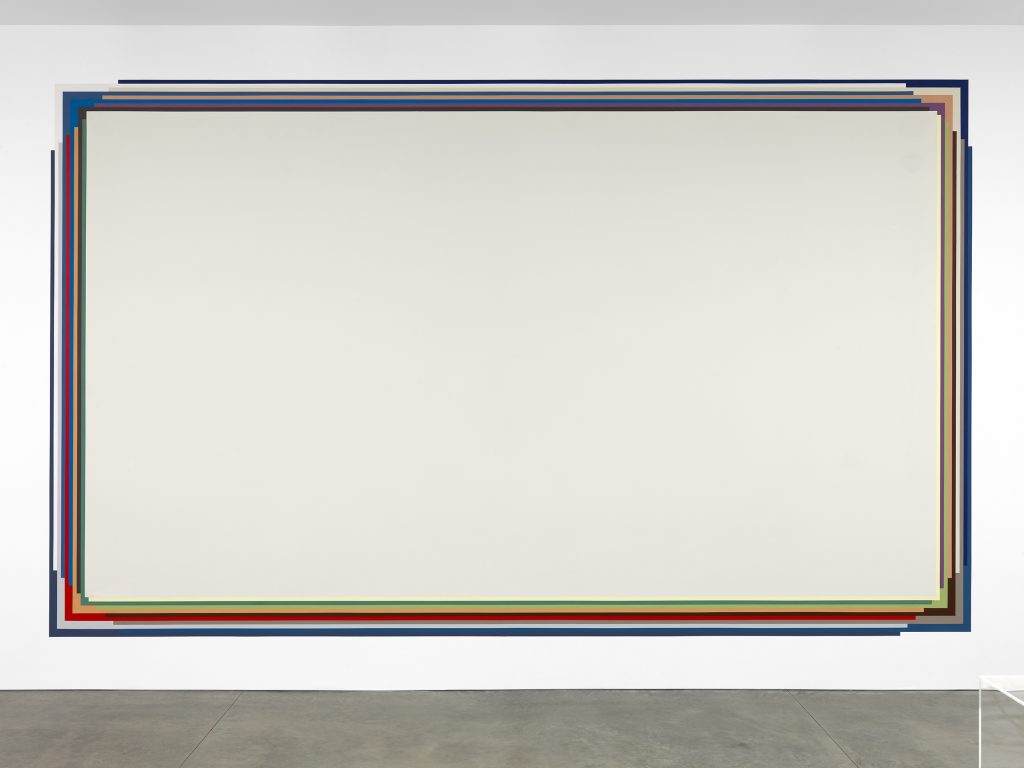
Surrounded

Surrounded (2026)
Wall painting
286 x 476 cm

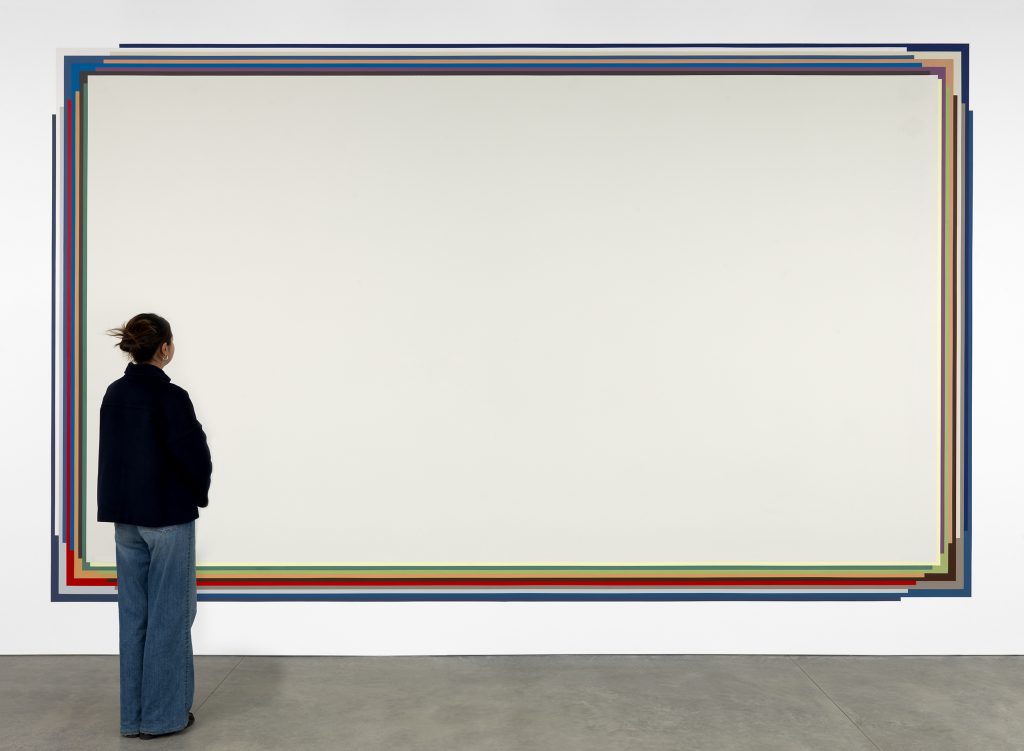
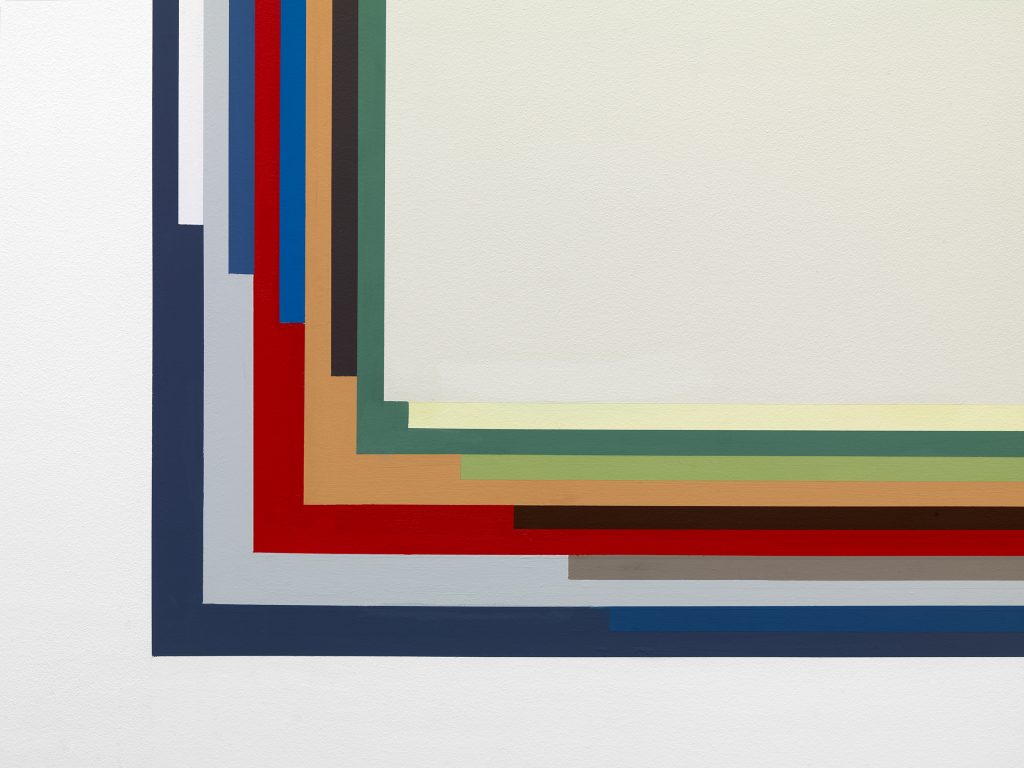
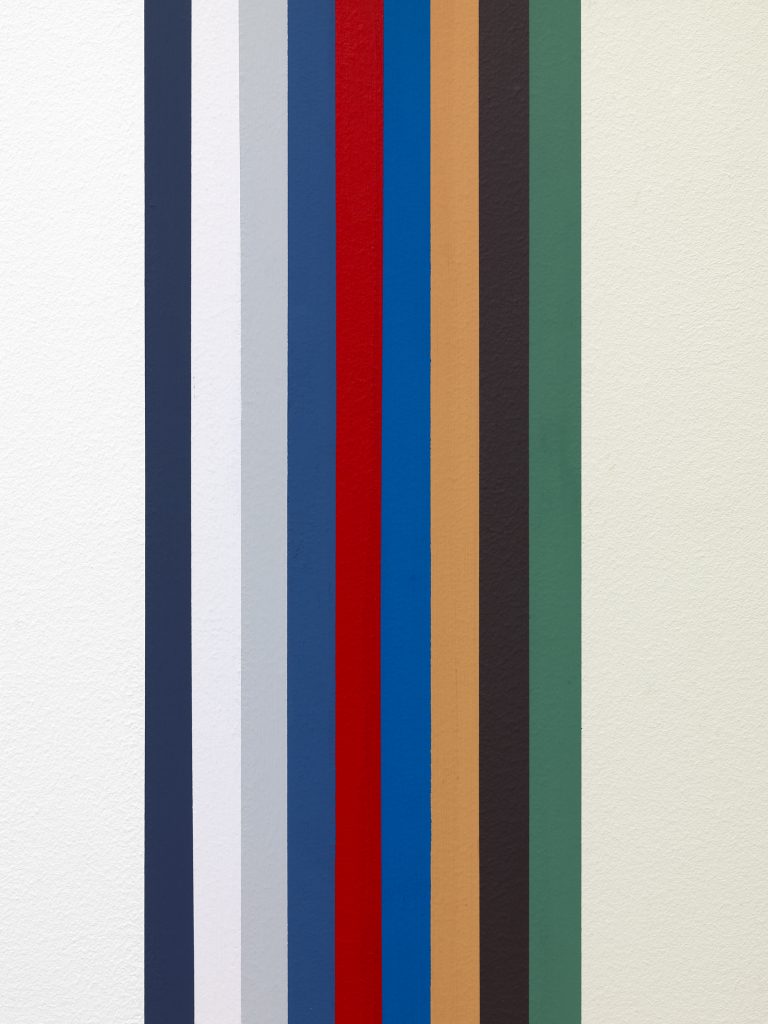
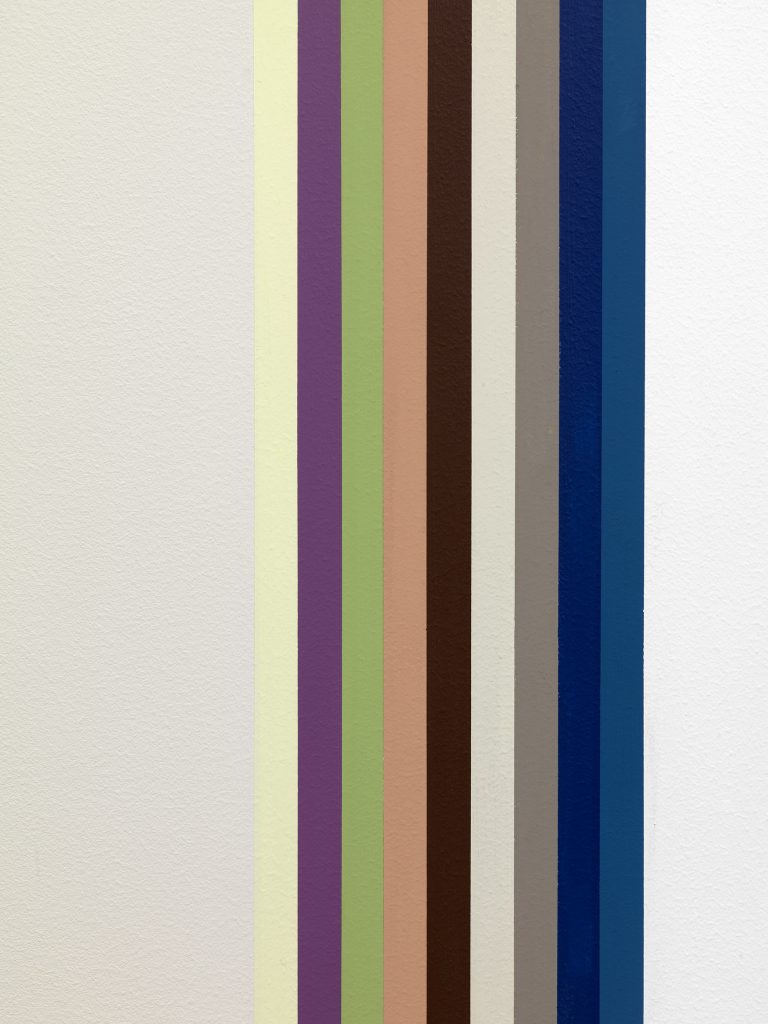
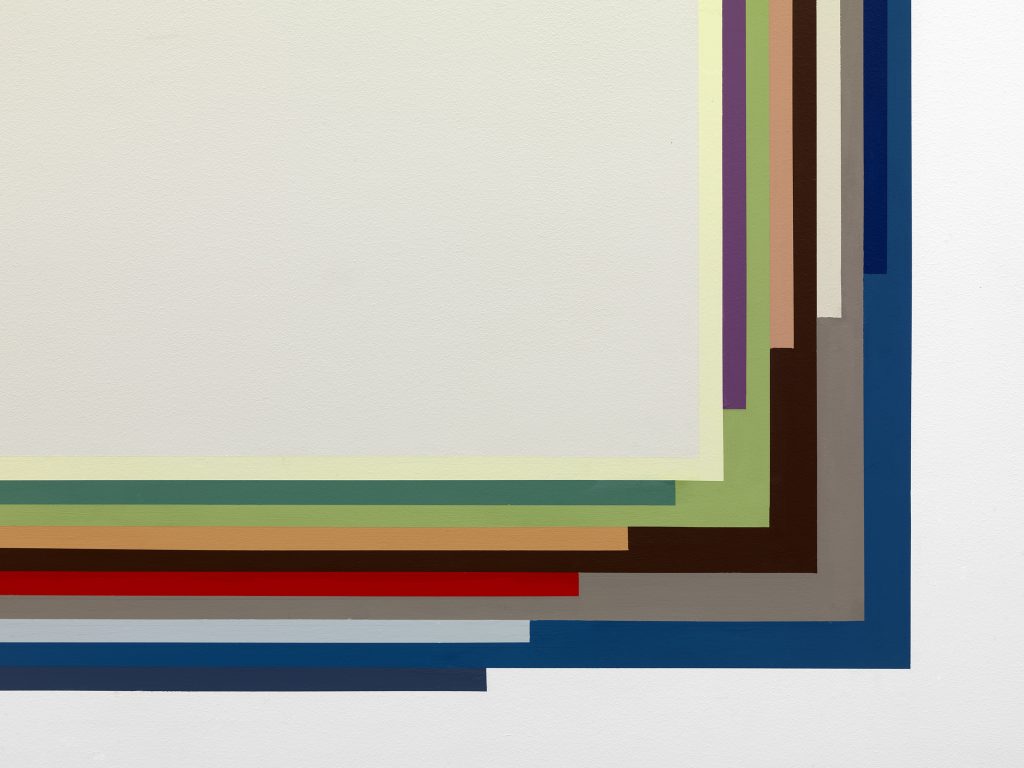
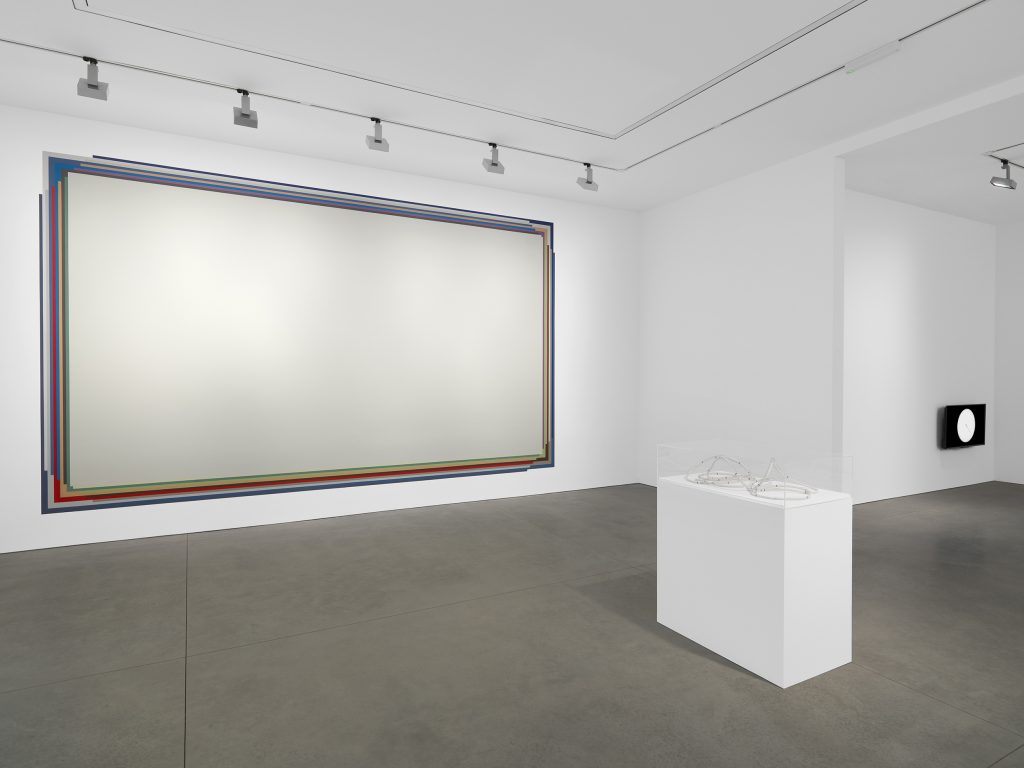
Surrounded (2026) layers the colours from “I didn’t like these colours” in subtle shifts through circular movements around a space equivalent in size to a single-occupancy prison cell in present-day Turkey, transforming it into a mural that constructs its own boundaries.

The work can also be perceived as a mural of a framed yet blank surface—its structure in place, its image still absent—serving as a homage to many untold stories, suspended between presence and absence. 

İnstallation view; If you wanna go outside, get inside, Dirimart London 

photo: Todd-White

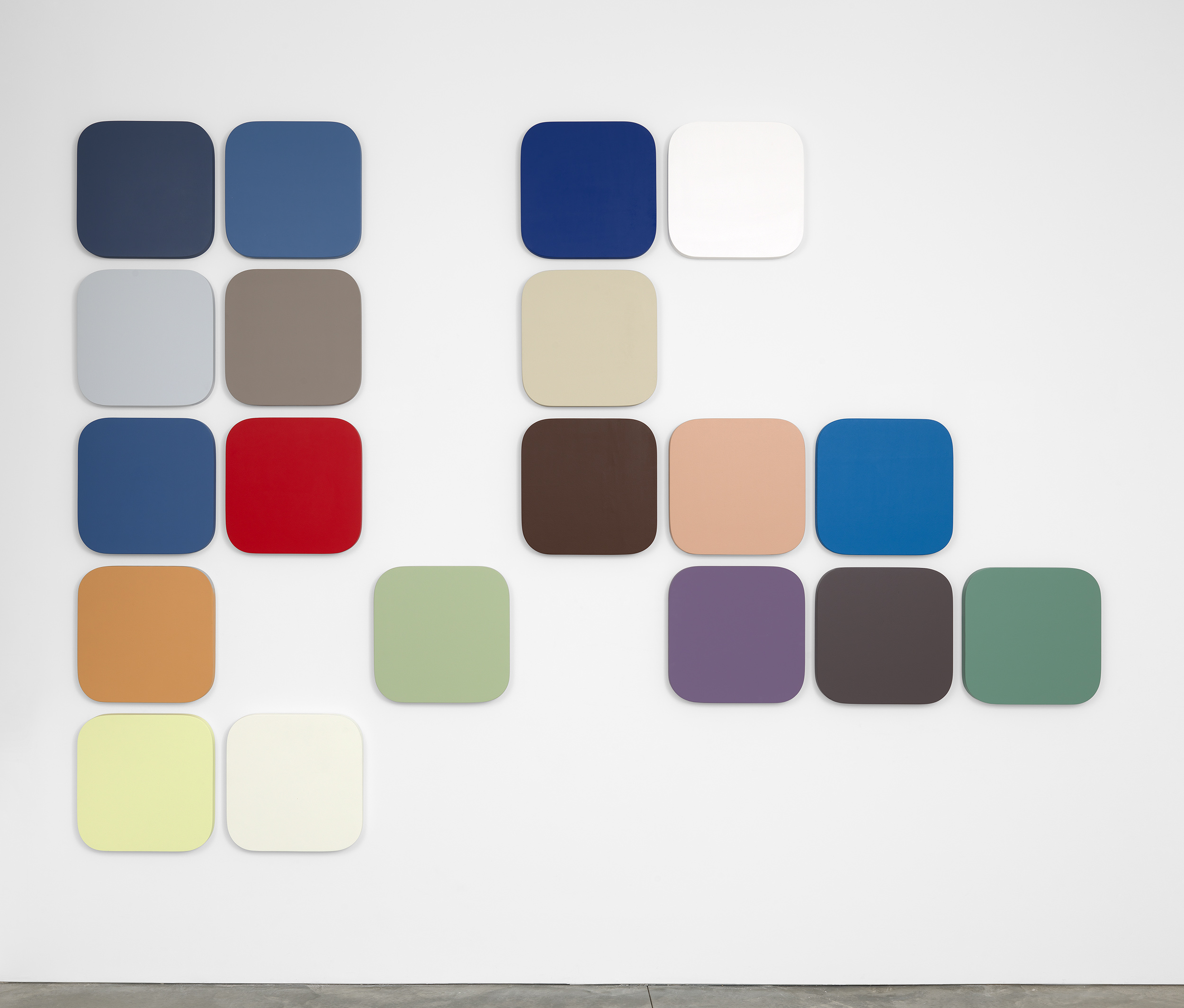
I didn’t like these colours!

I didn’t like these colours! (2026)
Paint on wood
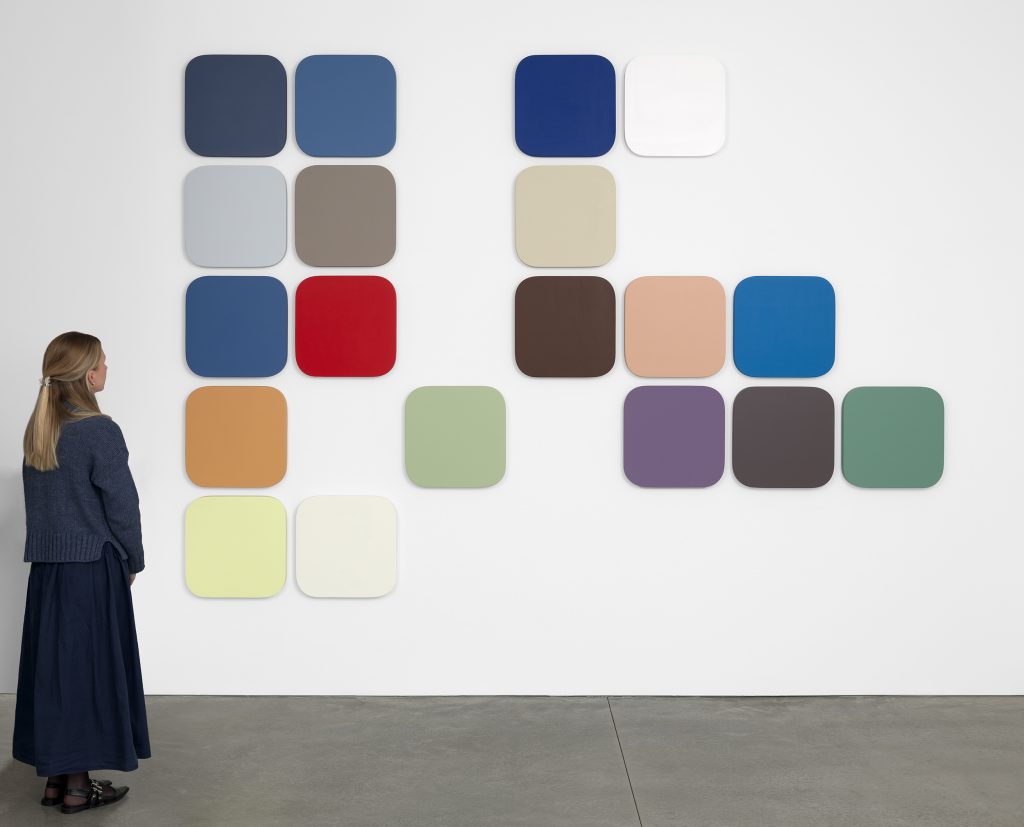
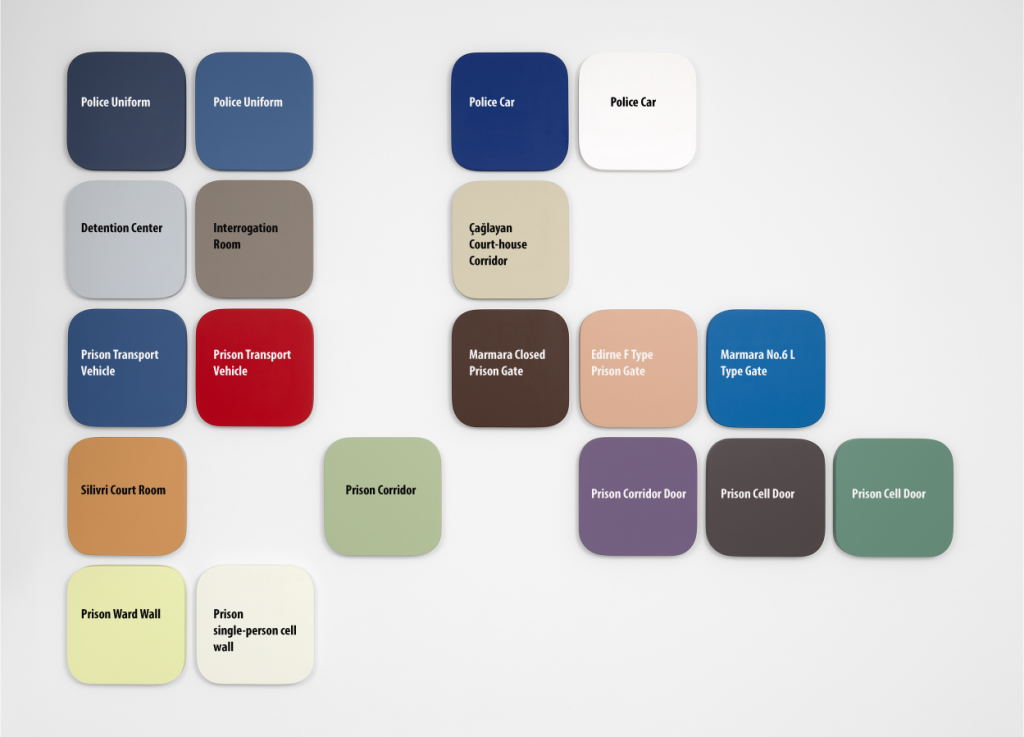
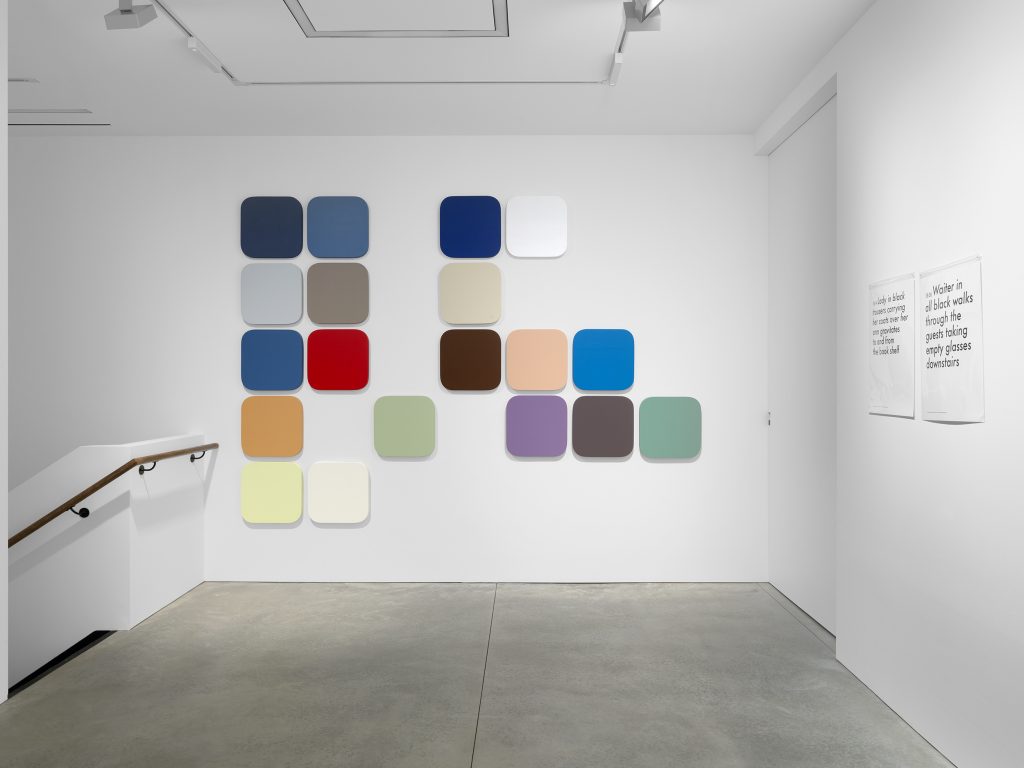
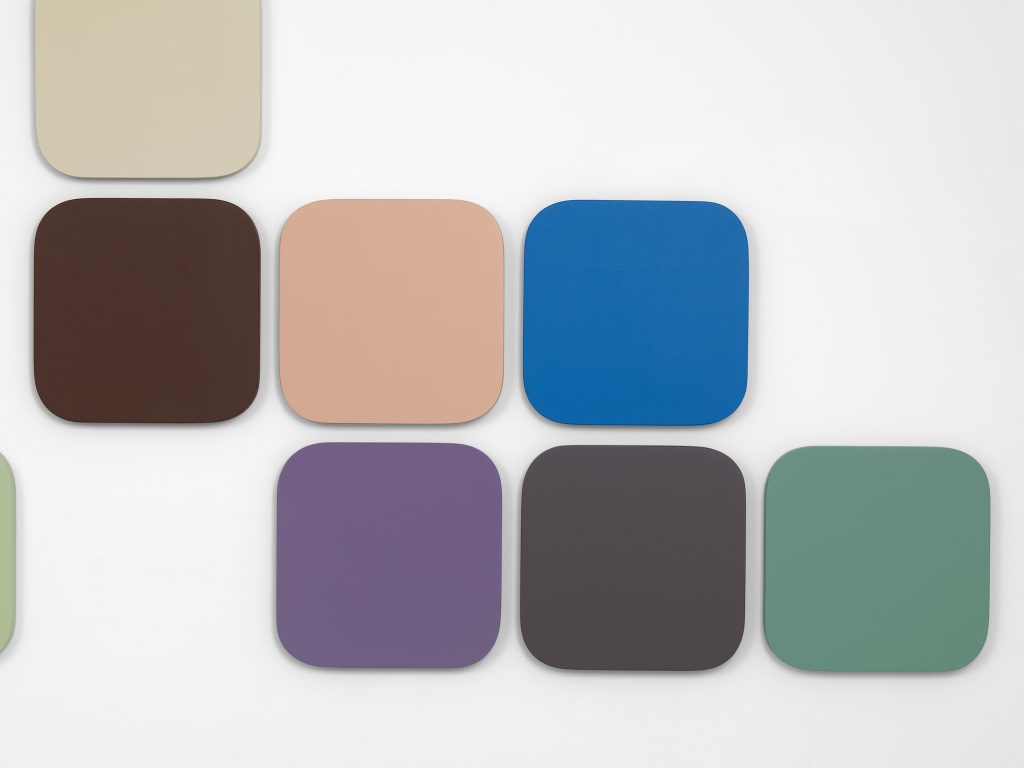
19 pieces, each; 45 × 45 × 4 cm

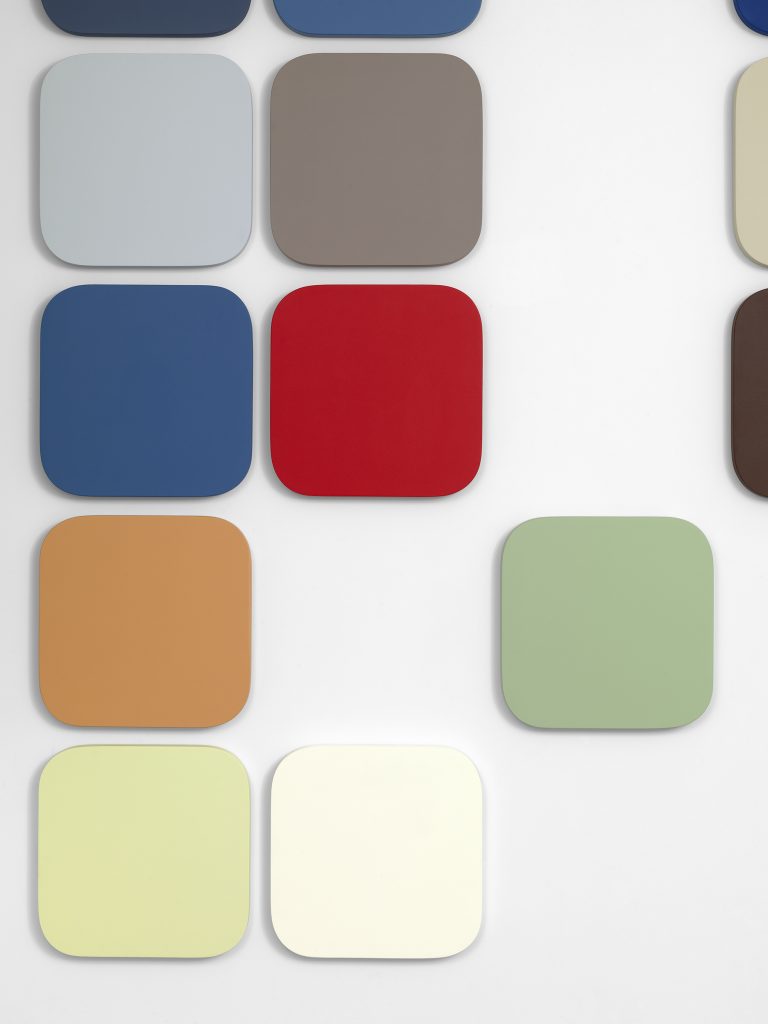
I didn’t like these colours! (2026) is drawn from the colours encountered by politicians, intellectuals and journalists in Turkey, who have been subjected to and faced a cycle of unjust detention. The installation presents this journey’s colour palette, composed of hues digitally sampled by the artists from social media and press images of police uniforms, police vehicles, detention centres, interrogation rooms, courthouse corridors, court rooms, prison gates, cell doors, and walls. 


Tracing the individual’s journey from home to a prison cell, this chronological sequence presents itself as a colourful abstract installation. The gaps left between transitions highlight the spatial passages and pauses within the process.

Installation view; If you wanna go outside, get inside, Dirimart London
Photo: Todd-White

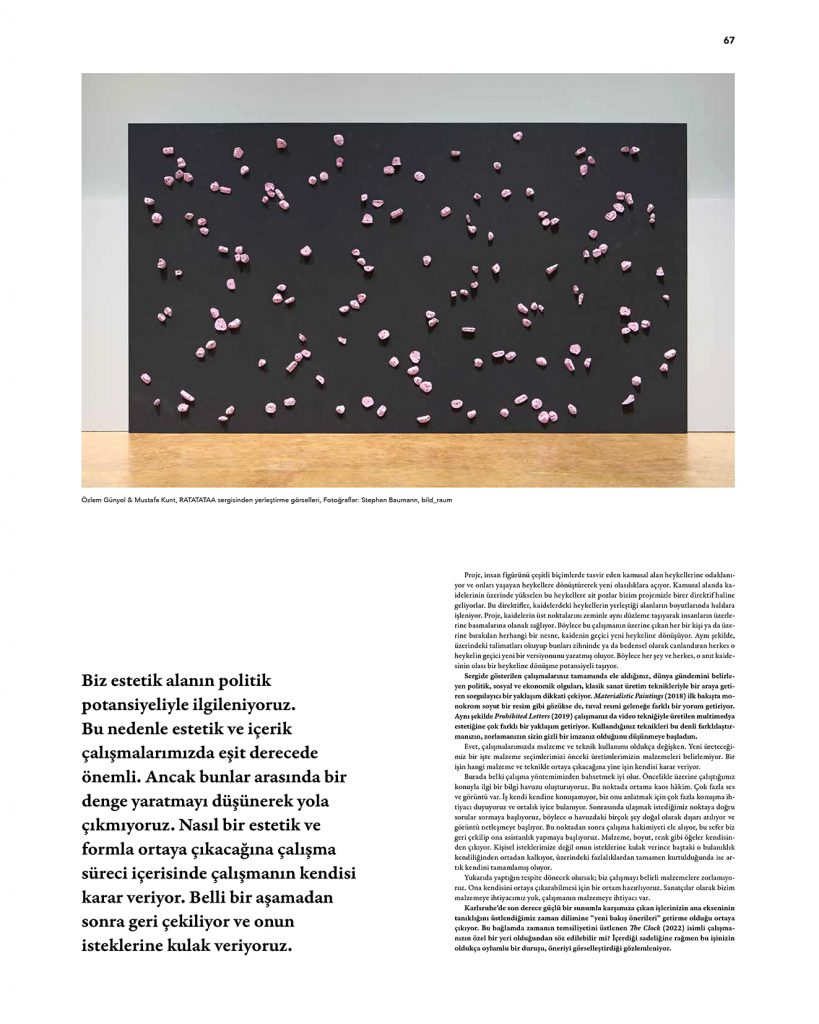
The Dirty Work

The Dirty Work (2026)
Paint on 3D print
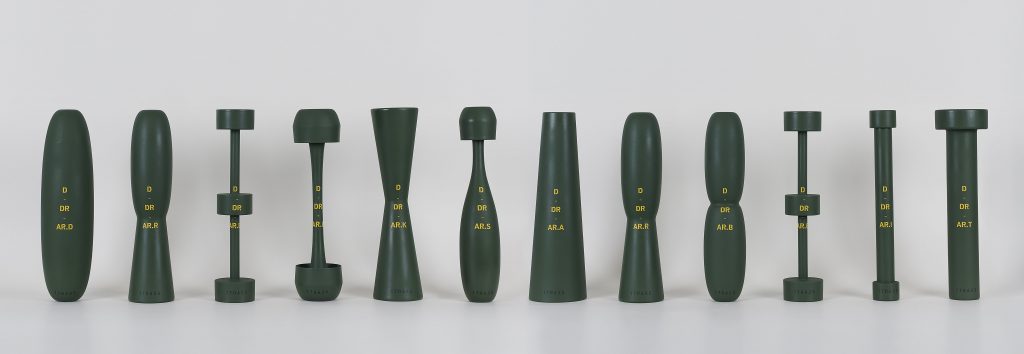
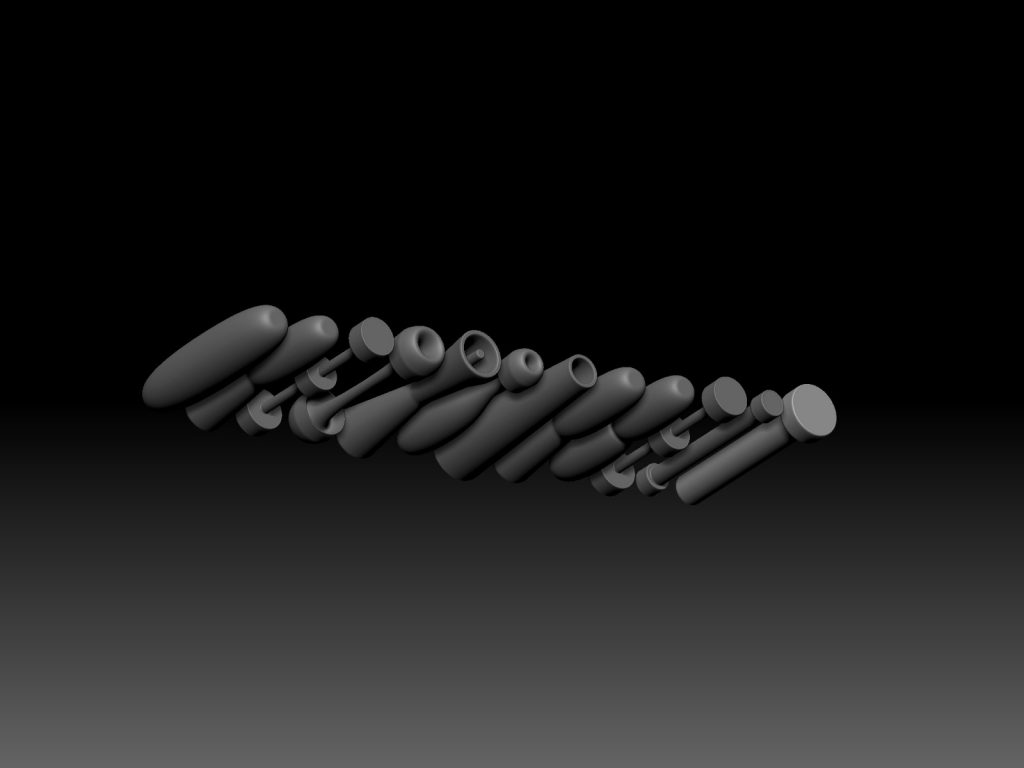
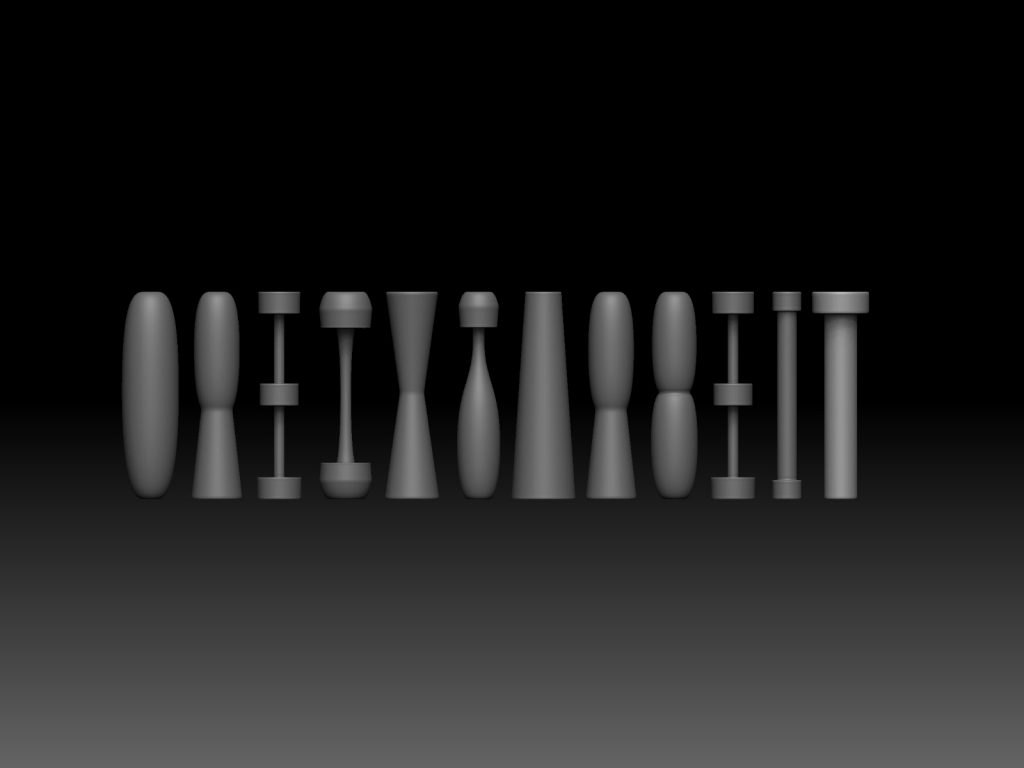
12 pieces, installation; 65 x 300 cm

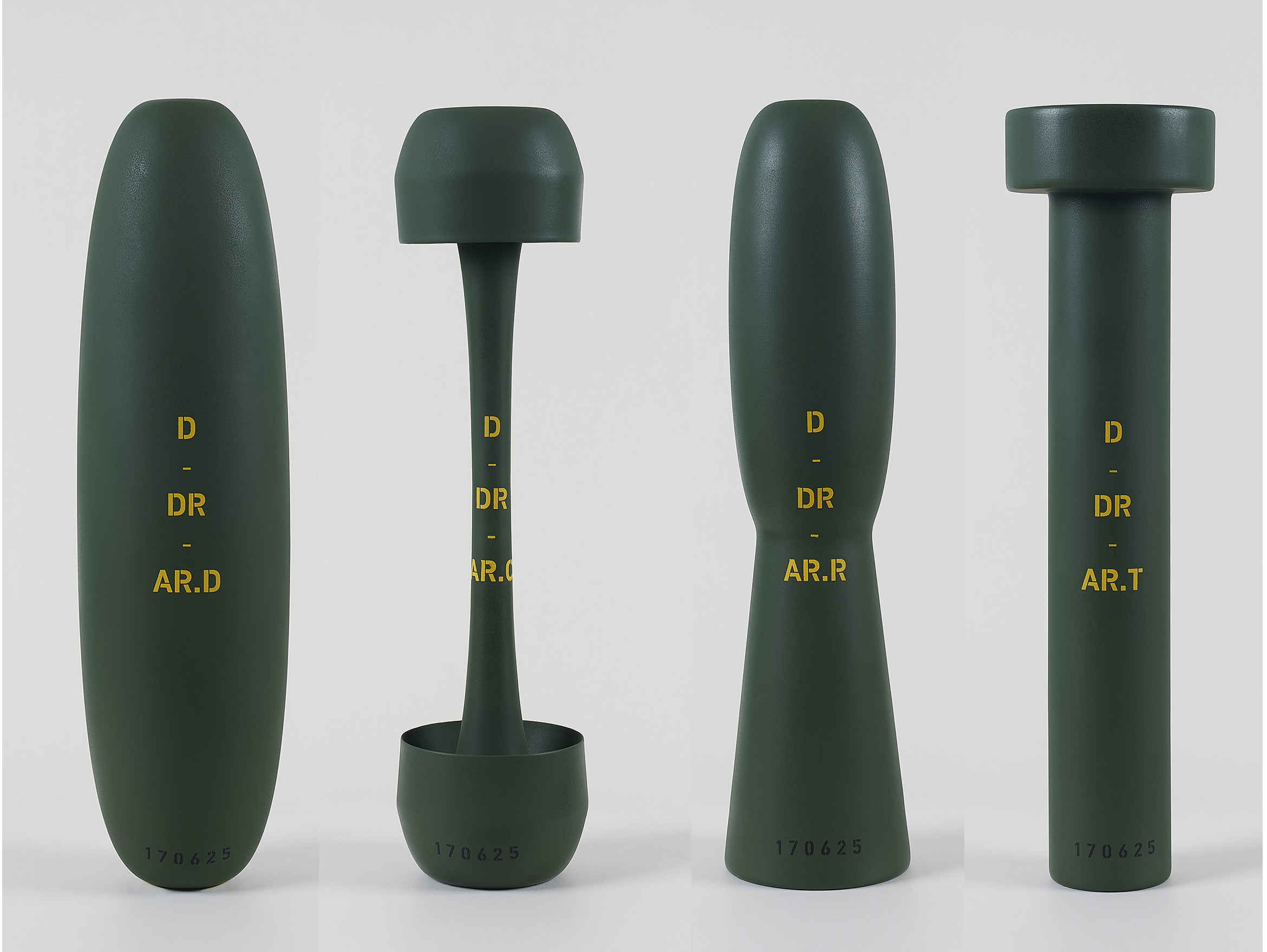
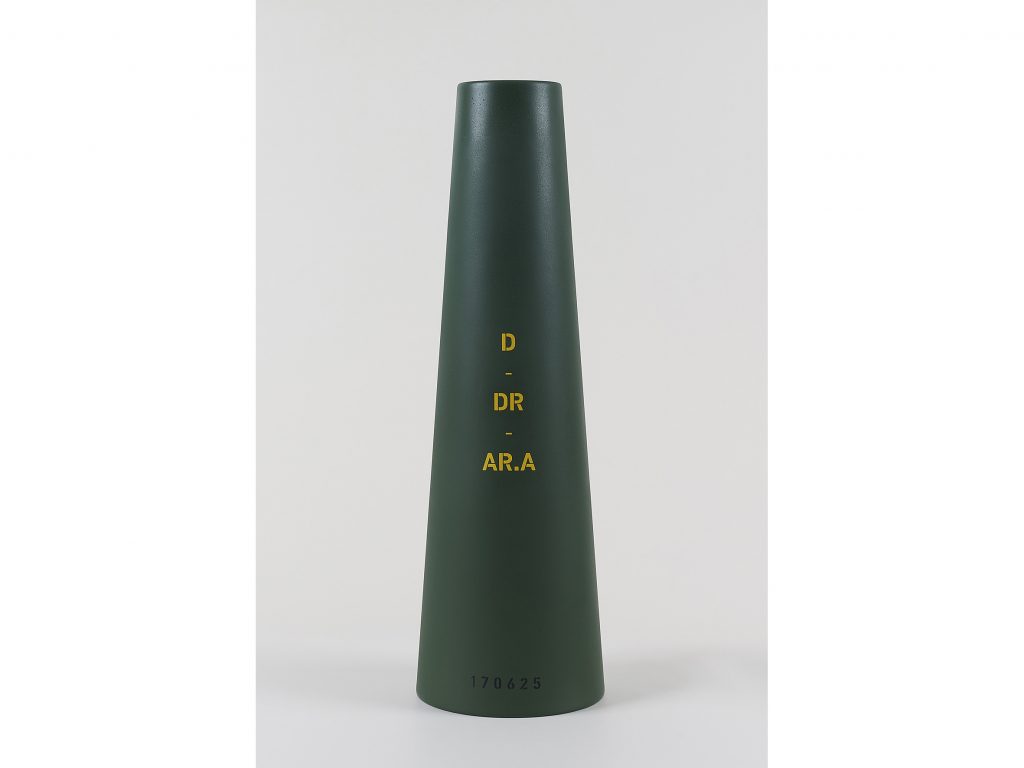
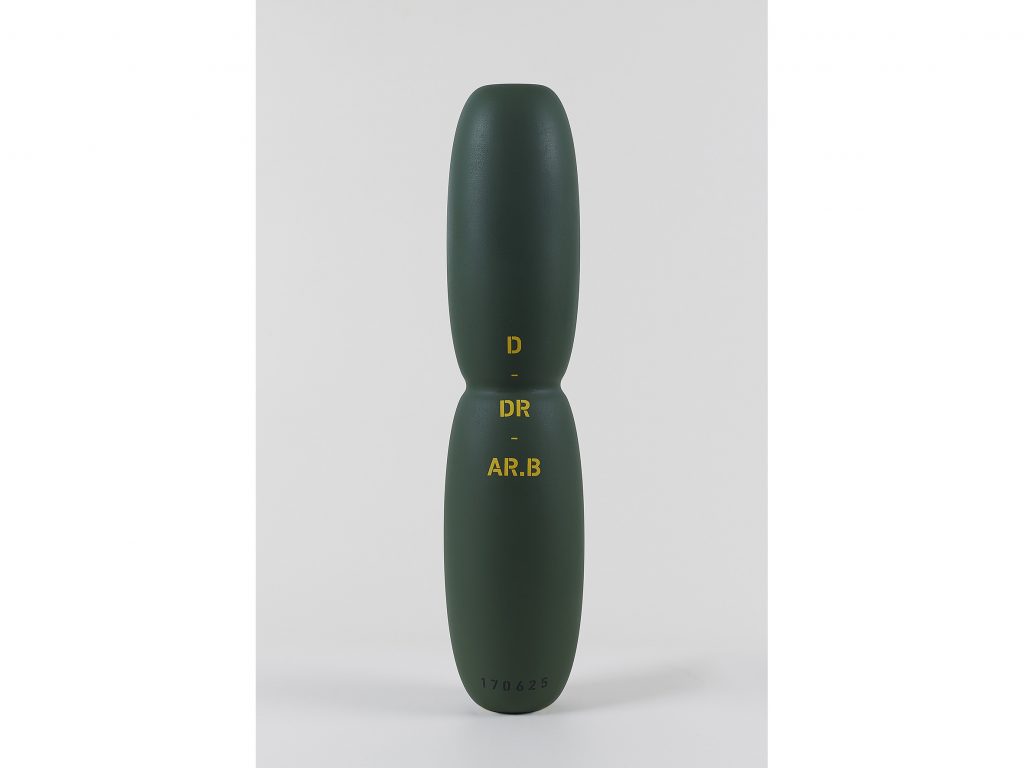
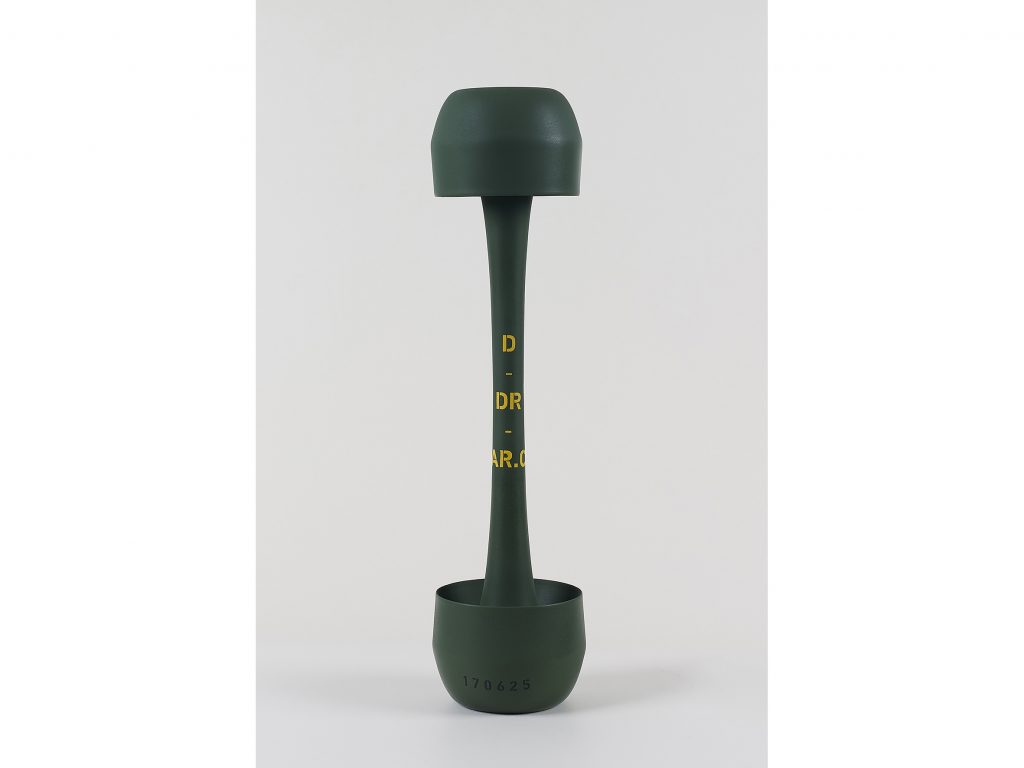
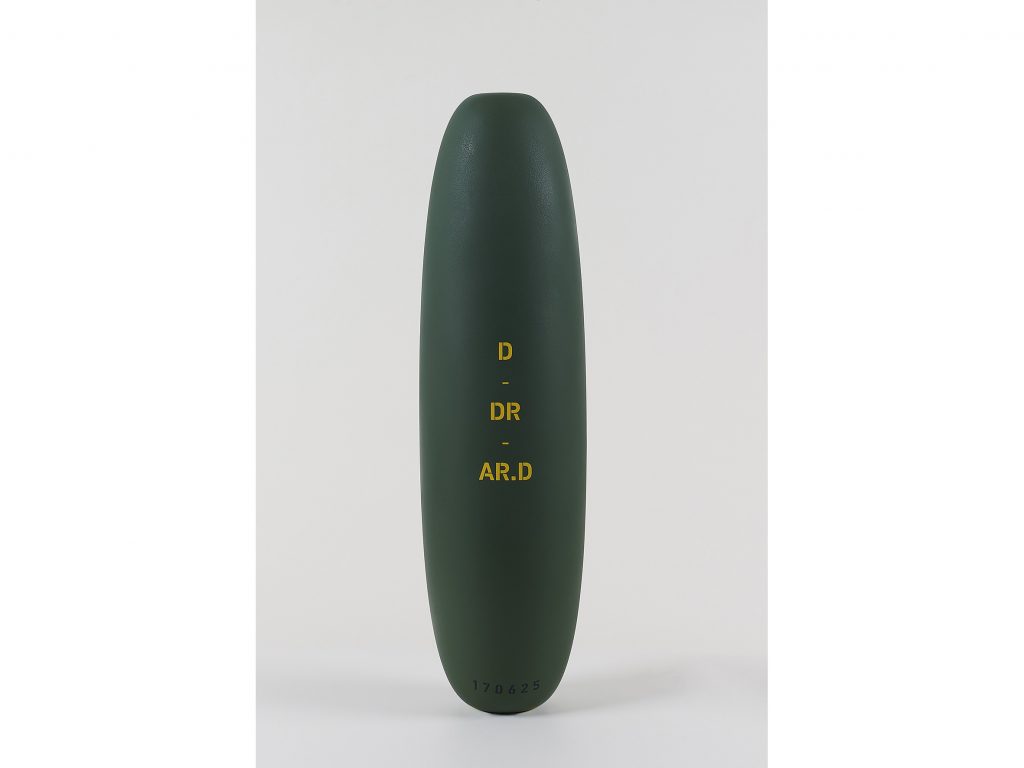
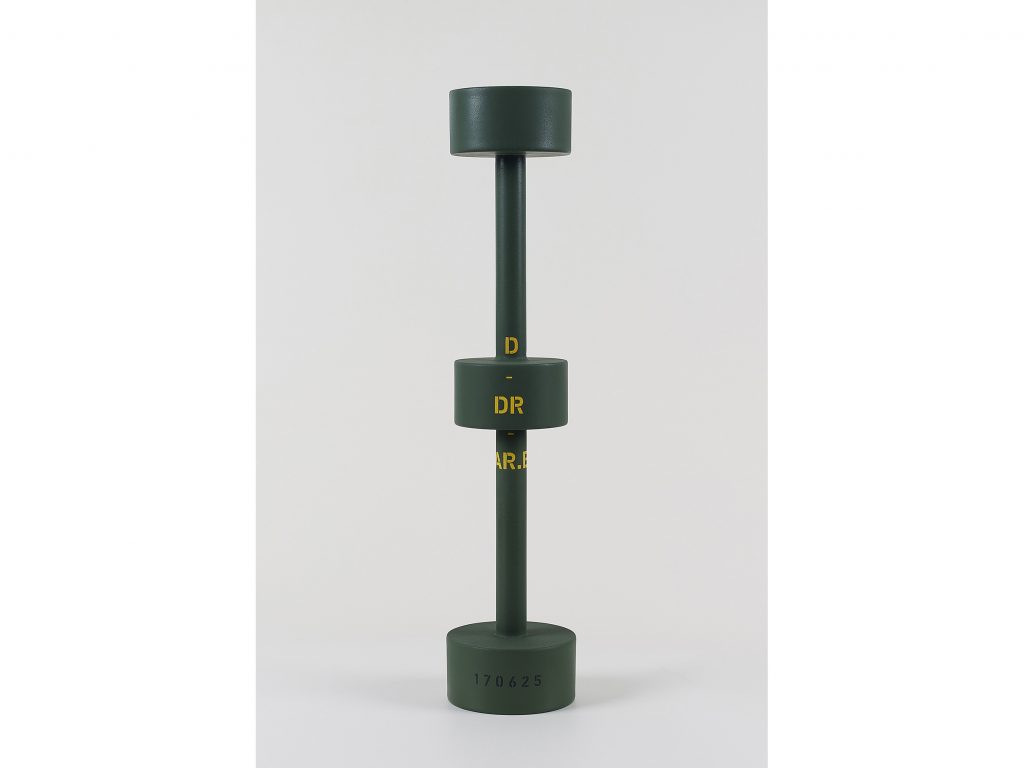
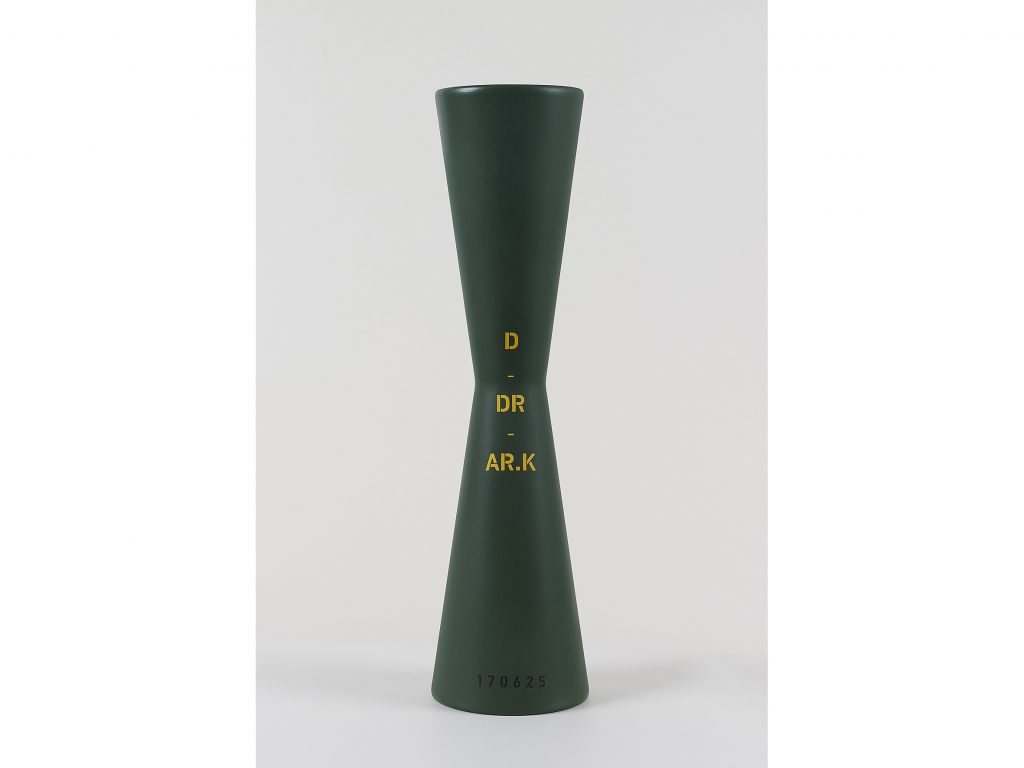
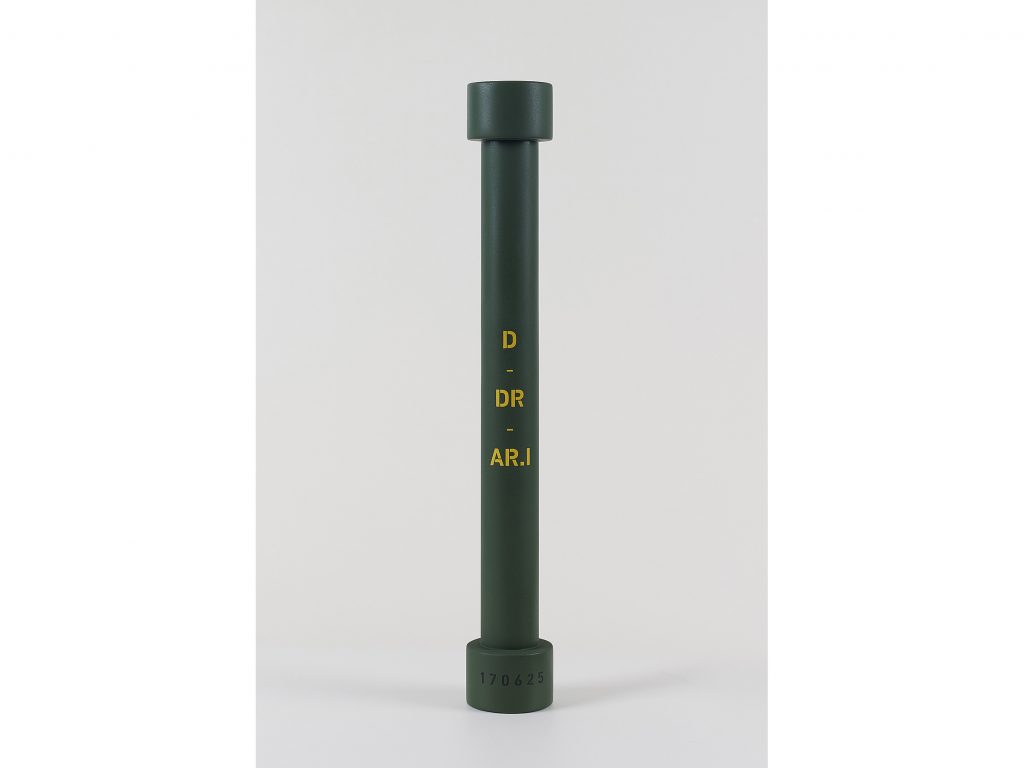
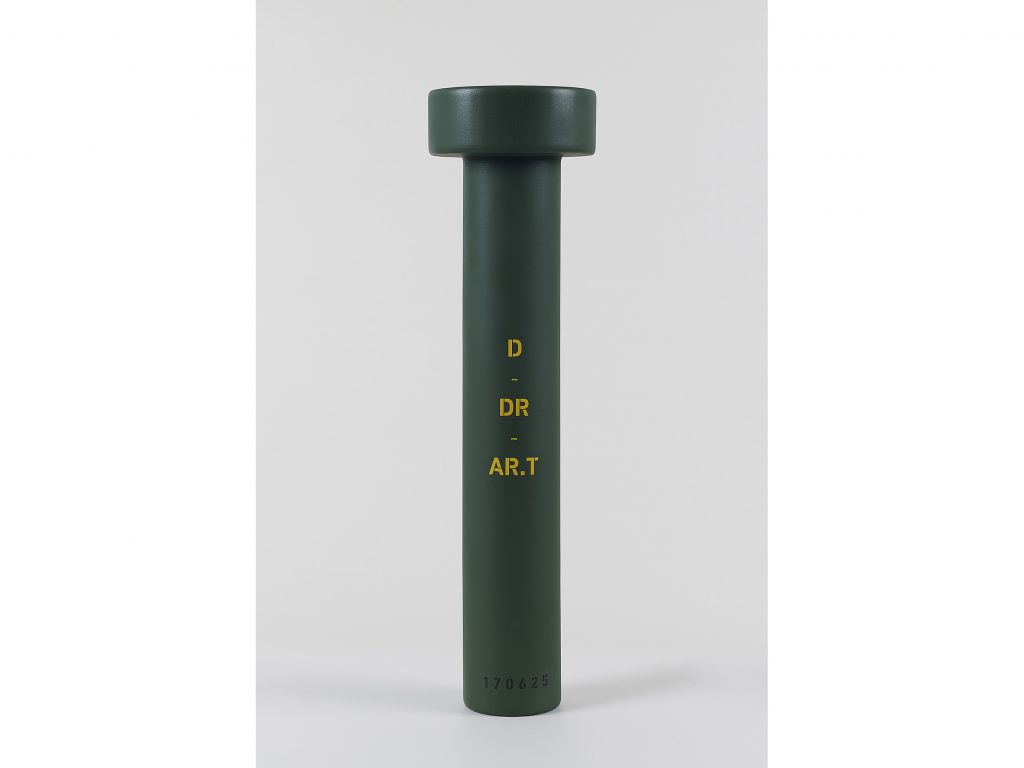
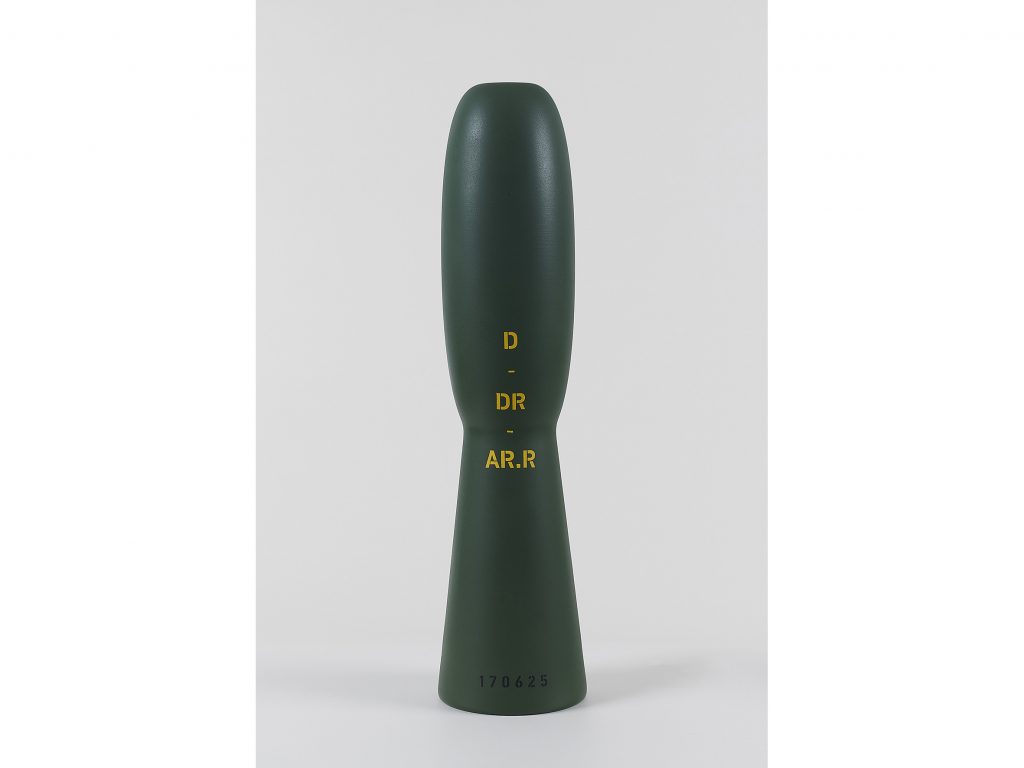
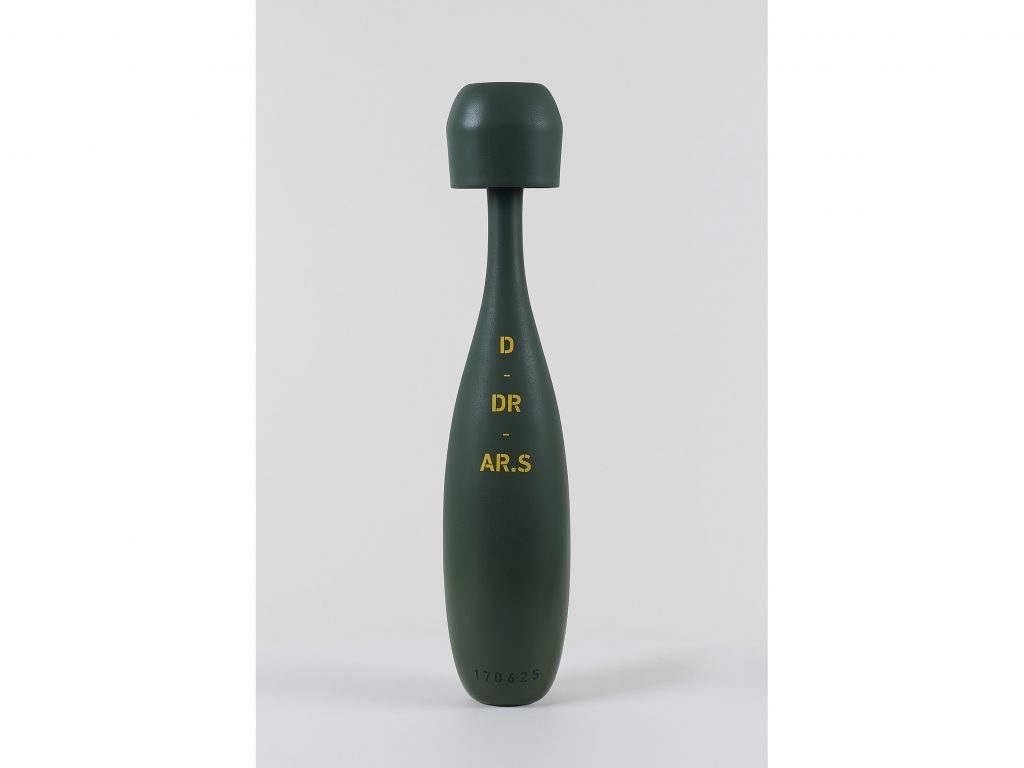
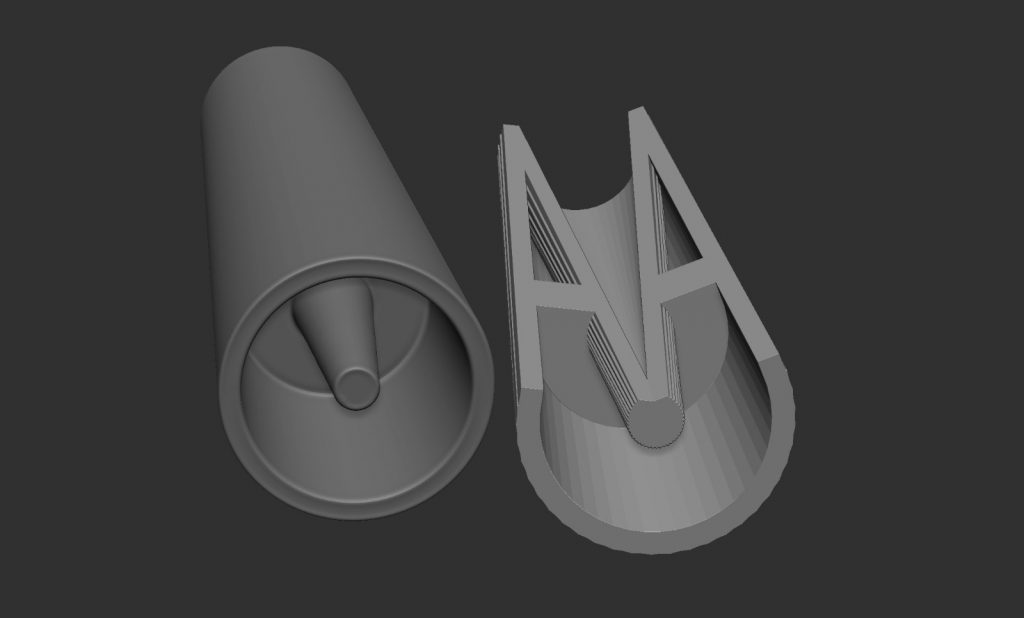
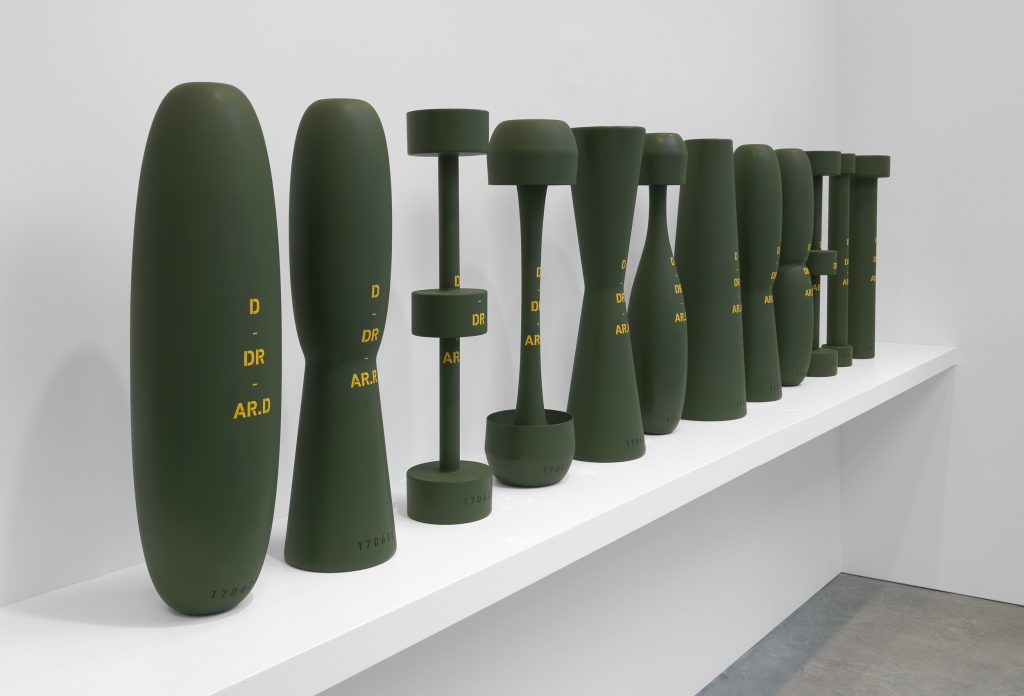
The Dirty Work consists of sculptures developed in response to the German Chancellor’s appropriation of the expression die “Drecksarbeit”, or “dirty work,” in June 2025 while discussing Israel’s attacks on Iran.

The term “dirty work” refers to ethically controversial actions. It commonly describes illegal, immoral, or covert activities.
When a head of state publicly endorses the expression “dirty work,” it sends a powerful message to society that such actions are being legitimized. This rhetoric suggests that laws, values, and moral norms can be stretched according to time and circumstance, and that ethically problematic decisions may be considered acceptable under certain conditions.

In The Dirty Work project, the letters forming this phrase assume the roles assigned to them with the authority of official discourse. Rotating 360° and extending into space, they transform into sculptural forms reminiscent of military ammunition. Using BundesSans, the official typeface of the German federal government, these letters render visible the violence embedded in political rhetoric that makes civilian casualties invisible.


Photo 1-11: Nazlı Erdemirel, 16: Todd-White

Video below: Lee Pretious Studio

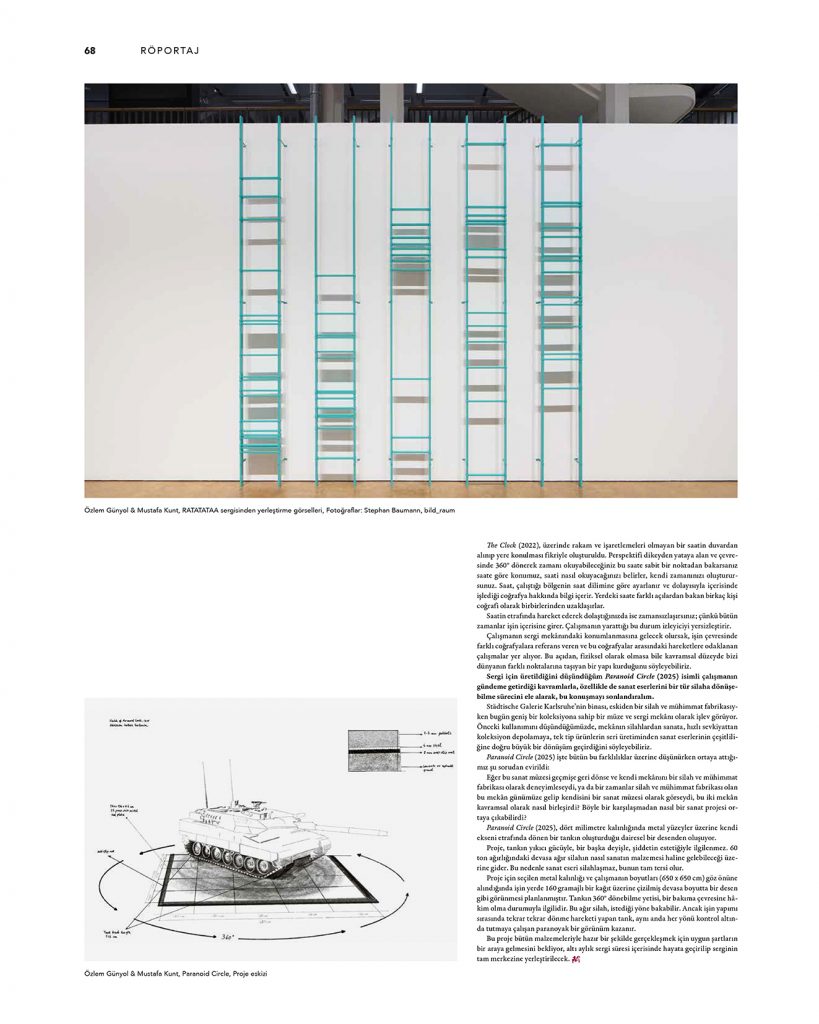
PARANOID CIRCLE

Paranoid Circle (2025 – )

Drawing with tank tracks on matt-white painted steel

650 × 650 × 0.4 cm

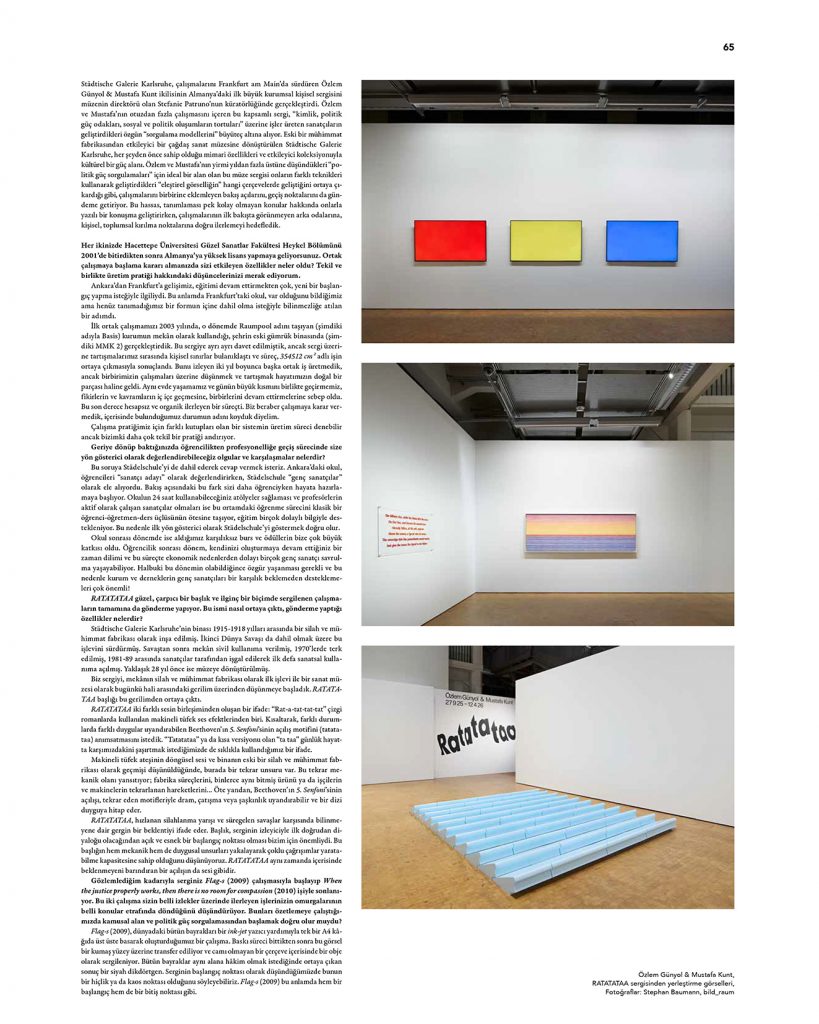
Paranoid Circle was initially thought for the exhibition Ratatataa at the Kunstmuseum Karlsruhe, though it was never realized.

The Kunstmuseum Karlsruhe’s building, formerly a weapons and ammunition factory, is now a museum and exhibition space with an extensive collection. Considering its previous use, the space has undergone a significant transformation—shifting from weaponry to art, from the rapid shipping of items to the storage of a collection, and from the mass production of single items to the diversity of artworks.

This transformation prompted us to ask the following questions: What if this museum went back to the late 1930s and experienced its own space as a weapons and ammunition factory? Or, if this space—once a weapons and ammunition factory—came to the present day and saw itself as an art museum, how would these two states conceptually merge? What kind of art project might emerge from this?

Paranoid Circle consists of a circular pattern created by a tank rotating repeatedly around its own axis on 4 mm thick painted steel plate. Rather than engaging with the tank’s destructive power—or the aesthetics of violence—the project explores how a 60-ton heavy weapon can be transformed into a material for art. In this sense, the work resists weaponization; instead, it reverses it.

The circle, as a form, has been reinterpreted by many artists within various conceptual frameworks over time. It is often associated with ideas such as symmetry, infinity, timelessness, emptiness and so on. However, this circle does not represent any of these concepts; instead, it produces a sense of deadlock.

Here, the tank becomes an “art machine” capable of drawing. It leaks into the artistic expression; much like a brush leaves marks on a canvas, the tank’s tracks inscribes marks onto the steel surface. Through this process, it is instrumentalized and incorporated into an aesthetic mode of production. Considering the material thickness and the dimensions of the work (650 × 650 cm), the piece is conceived to resemble an enlarged drawing on 160 gsm paper.

As the tank moves, it scratches the surface beneath it, gradually forming a circular pattern that simultaneously creates the drawing and conceptually confines the machine within it.

A tank’s ability to rotate 360° relates to its dominance over its surroundings—it can face and move in any direction at will. Yet during the process, its continuous spinning produces another effect: as if it is trying to look in every direction at once. This repetitive motion gives the tank a distinctly paranoid presence.

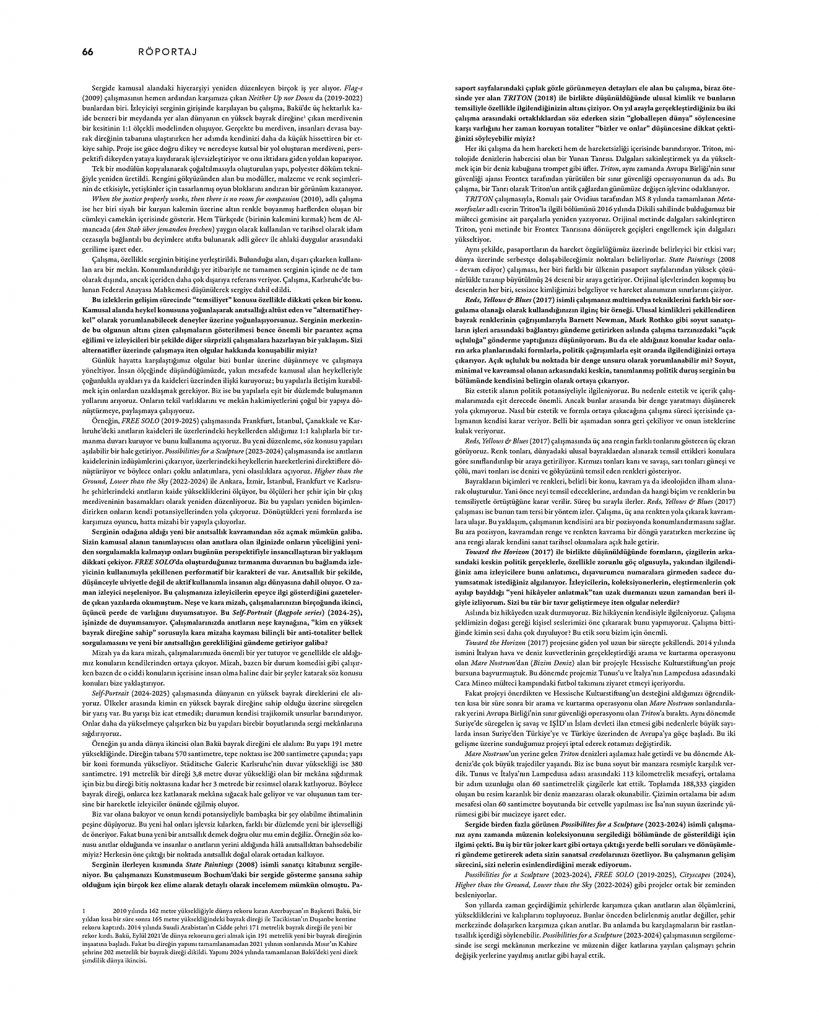
Free Solo

Free Solo (2019–25)
Performance, installation
154 pieces, acrylic paint on polyurethane, magnesium powder, plywood, 500 × 900 cm (installation dimensions variable)

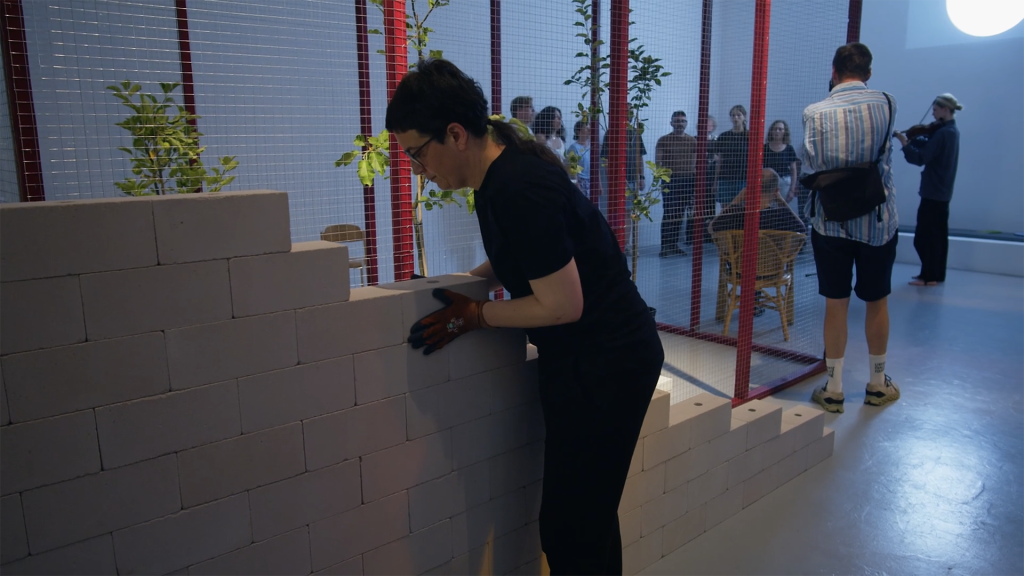
For Free Solo, Günyol & Kunt created molds from details of numerous statues and memorials in Frankfurt, Istanbul, Çanakkale, and Karlsruhe using silicon. Replicas, which are reminiscent of climbing grips, were cast from these molds. The resultant installation is like a climbing wall—but its origin is not in sport, it is from a collective impulse. Memorials are not only viewed or revered, but are also climbed during protests and celebrations.

This physical act—the aspiration to transcend your own existence, to move up and get closer to the symbolic power of these places—forms the center of the work. The work invites us to question the relationship between body, space, and power—and shows how history can be literally scaled.
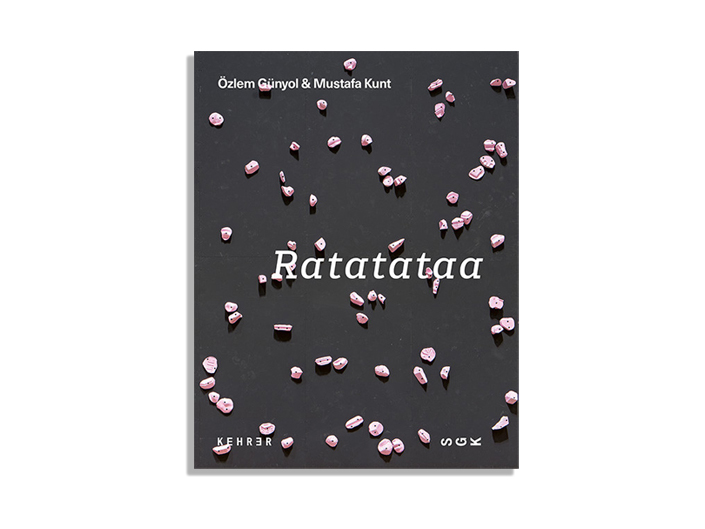
Stefanie Patruno, Ratatataa, exhibition catalogue, Kehrer Verlag 2025

Installation view; Ratatataa exhibition at Kunstmuseum Karlsruhe

Cover Photo: Anne-Sophie Stolz

PODCAST 🔊

Unutulmuş Gün projesi üzerine bir sohbet

Hariçten Sanat Programı / Apaçık Radyo

İzmir Karşıyaka Vapur İskelesi için ‘Kendine Ait Bir Oda’
Frankfurt’ta yaşayan sanatçılar Özlem Günyol ve Mustafa Kunt ile İzmir Karşıyaka Vapur İskelesi için ‘Kendine Ait Bir Oda’ davetiyle kamusal alanda sanat projelerini konuşuyoruz. 

VIDEO 🎥

Unutulmuş Gün (2025)

Tuval üzerine Hint mürekkebi

250 × 800 cm

Unutulmuş Gün, Karşıyaka Vapur İskelesi’nin bekleme alanlarından birini kamusal sergi alanına dönüştüren KABO’nun daveti üzerine planlanan günlük bir yayın projesidir.

Proje, basılı gazeteleri malzeme olarak kullanır. Günümüzde tirajları büyük oranda düşmüş olan gazeteler ve onların bağlı olduğu medya kuruluşlarına ait televizyon kanalları ortak hareket ederek gündemi etkilemeye devam eder. Bu nedenle kitle iletişim araçları olup biteni takip ettiğimiz başlıca mecralar olarak yeniden odağımıza yerleşir.

Unutulmuş Gün, Nisan ayı boyuncatirajı 30.000’in üzerinde olan yaklaşık on dört gazetenin manşet ve öne çıkan birinci sayfa haberlerini günbegün tarar. Bu haberlerden kişi, ülke ve kurum isimlerini çıkarır, gündemi belirleyen ve en çok tekrar eden kelimeleri kopya kâğıdı ve mürekkepli kalemler ile her gün büyük bir tuvale aktararak sabitler.

Basılı gazeteler dünü bugüne bağlarken, Unutulmuş Gün ise dün ile bugünü bir sonraki güne taşır. Farklı yönelimlere sahip gazetelerin manşetlerini bir tür sindirim sürecinden geçirerek geriye kalanları kalıcı olarak işaretler. Matbaadan çıkan gazete baskısının elle kopyalanarak tuvale aktarımı zamansal olarak süreci yavaşlatırken, bulundukları yerlerden koparılıp alınan yüzlerce kelime boşlukta asılı kalarak yalnızlaşır. Serbest kalan bu kelimeler farklı çağrışımlara, yeni kurgulara ve yeni bağlamlara açık hale gelerek iskelede bekleyen yolcular için zihinsel bir oyun alanı yaratır, insanların günlük yaşamlarıyla kesişerek yeni anlatılar ve yorumlar üretir.

Sergi mekânının kamusal alanda bir toplu taşıma durağı olması onu günlük akış ve ritmin doğal bir parçası yapar. Aynı şekilde, gazeteler de güncel olayları, toplumsal dinamikleri ve kamusal söylemi şekillendirerek günlük döngüye eklemlenir.

Unutulmuş Gün, gazete manşet ve birinci sayfa haberlerini bağlamlarından kopararak yeniden dolaşıma sokarken güncel siyasi meseleler ve bunların davranışları üzerine istatistiksel bir kelime havuzu oluşturur. Bu yönüyle proje, günden güne kendini inşa eden panoramik bir manzara resmi olarak da okunabilir—ancak bu, doğaya değil, toplumsal hafızaya ait bir “kelimeler manzarasıdır.”

ÖZLEM GÜNYOL & MUSTAFA KUNT

The Forgotten Day, 2025
Ink on canvas
250 × 800 cm

The Forgotten Day is a daily publication project planned upon the invitation of KABO, which has transformed one of the waiting areas of the Karşıyaka Ferry Terminal into a public exhibition space.

The project uses printed newspapers as its material. Although newspaper circulation has significantly declined in recent years, these publications and the TV channels affiliated with their parent media groups continue to operate in concert to influence the public agenda. As a result, mass media reclaims its position as a central medium through which we follow and interpret current events.

Throughout April, The Forgotten Day scans the front-page headlines and prominent lead stories of approximately fourteen newspapers, each with a daily circulation of over 30,000. From these stories, it removes the names of individuals, countries, and institutions, and transfers the most frequently repeated and agenda-setting words onto a large canvas using carbon paper and ink pens—day by day—fixing them in place.

While printed newspapers connect the past to the present, The Forgotten Day carries both the past and the present into the future. By digesting the headlines of newspapers with differing political leanings, the project distills and permanently marks what remains. The manual transfer of printed news content onto canvas slows down the temporal process, while the hundreds of words extracted from their original contexts remain suspended—isolated—in space. Freed from their sources, these words become open to new associations, narratives, and interpretations, creating a mental playground for passengers waiting at the terminal. The work intersects with people’s daily lives, generating new stories and meanings.

The public nature of the ferry terminal as a transportation hub renders the exhibition space a natural part of the city’s daily rhythm and flow. In a similar way, newspapers embed themselves in the daily cycle by shaping current events, social dynamics, and public discourse.

By detaching front-page headlines and stories from their original contexts and placing them back into circulation, The Forgotten Day forms a statistical word pool around current political issues and behavioral patterns. In this sense, the project can also be read as a panoramic landscape painting constructed day by day—a “landscape of words” belonging not to nature, but to collective memory.

ÖZLEM GÜNYOL & MUSTAFA KUNT